Table of Contents
Inflatable Balcony Furniture for Small Outdoor Spaces
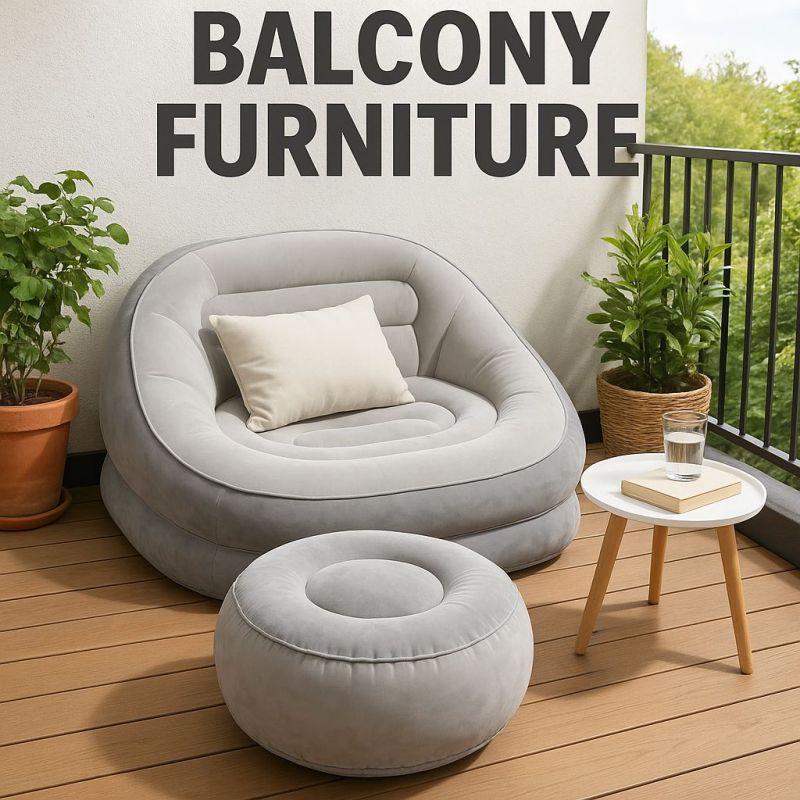
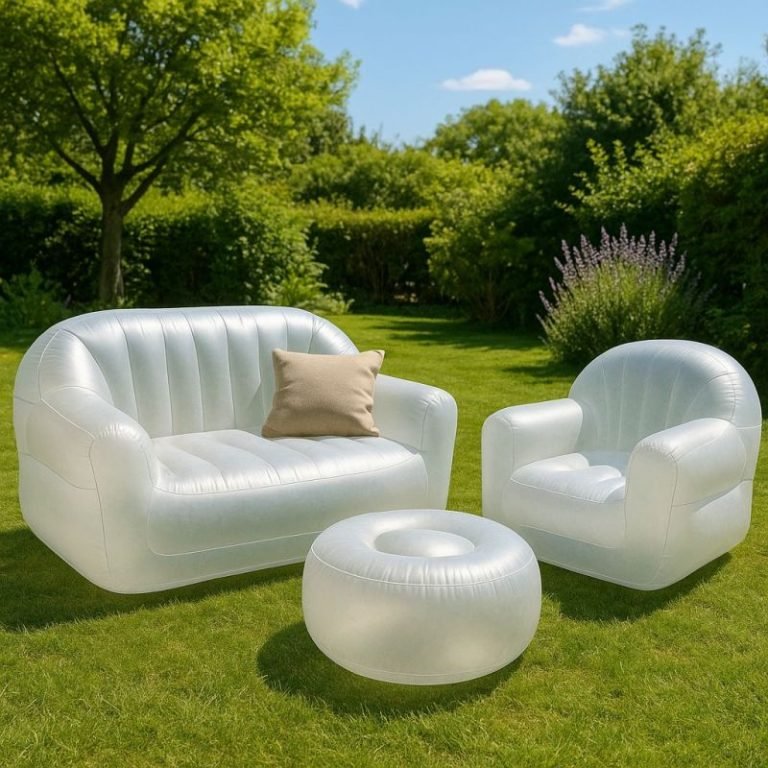
Balconies often present unique challenges when it comes to furnishing. Standard outdoor furniture might simply not fit or could feel too bulky, making the space less inviting. Inflatable balcony furniture has stepped in as a clever solution, especially for urban apartments and compact areas. It offers flexibility that rigid chairs and tables just can’t match.
But size isn’t the only factor to weigh. The durability of inflatable pieces also matters a lot in a balcony setting. Since balconies are exposed to varying temperatures and sometimes direct sunlight, the materials used need to hold up without deflating or deteriorating quickly. Look for heavy-duty PVC or similar sturdy plastics that won’t lose air easily. The seams are another point of focus; strong, well-constructed seams reduce the risk of leaks when the furniture is used regularly. Inflatable options that can be easily patched also save hassle down the line.
Comfort is another consideration. Some buyers assume inflatable furniture feels cheap or isn’t supportive enough for longer use. The reality is that many modern inflatable loungers and chairs come with ergonomic designs and even some textured surfaces inside to prevent slipping. Still, the level of inflation will impact how comfortable the furniture is, so it’s worth experimenting with pressure before settling on how soft or firm you want it.
Balancing Portability with Stability on Balconies
One clear advantage of inflatable balcony furniture is how lightweight and portable it is. For event planners and distributors, this portability means the furniture can be moved easily between locations or stored away when not needed, saving valuable space.
However, lightweight can also mean less stability. Balconies often have railings, and in windy conditions, a lightweight inflatable chair or sofa might shift or, worse, tip over. Depending on the model, some inflatable furniture includes anchor points for securing to balconies or weighted bags to add stability. It’s important to double-check if the piece suits your specific balcony environment.
Another practical tip is to place inflatable furniture on top of rugs or non-slip mats. This simple measure prevents sliding, especially on tile or metal flooring common to balconies. It also adds a touch of traction so users feel safer sitting or moving around.
Suitability of Inflatable Balcony Furniture for Different Events
Thinking about using inflatable furniture as event rentals? The versatility can be a major selling point. Inflatable balcony furniture can quickly transform a plain outdoor space into a cozy nook perfect for networking or casual breaks. The quick setup and takedown allow for faster turnover between events.
That said, the look and style of inflatable furniture might not fit every event tone. For formal or upscale functions, inflatable options might feel too casual or out of place. Distributors should assess their client’s brand and event atmosphere carefully to avoid mismatched aesthetics.
Also, keep in mind that inflatable furniture is typically designed for temporary or light use. It’s best for social spaces where people sit for short periods rather than sustained meetings or dining. The weight capacities vary by product, so understanding how much load the furniture can safely handle is critical, especially when setting expectations for clients.
Maintenance and Longevity Concerns with Inflatable Balcony Furniture
Like any equipment, inflatable balcony furniture requires some upkeep to save on replacements and repairs. Overinflation or excessive exposure to sunlight can shorten the furniture’s life. Checking the inflation regularly helps maintain shape and comfort while preventing stress on seams.
Repair kits are usually included or recommended by suppliers. Having a patch kit handy is practical, as small punctures happen, especially if the furniture is moved frequently or stored in less-protected spaces like garages.
Cleaning is straightforward but should be done carefully. Harsh chemicals can degrade plastic materials, so mild soap and water work best. Allow the furniture to dry completely before deflating and storing to prevent mold and odors.
In many cases, the lifespan of inflatable furniture depends largely on how rigorously it’s used and handled. For professional buyers, organizing clear user instructions helps extend the equipment’s service life and keeps customers happy.
When Inflatable Balcony Furniture Might Not Be the Best Option
Despite its advantages, inflatable furniture won’t be ideal for every balcony or use case. For example, balconies with sharp edges or rough surfaces pose a constant risk of punctures, leading to frustration and downtime.
Similarly, balconies exposed to extreme weather—such as very hot sun or strong winds—might not be friendly environments. Continuous heat can make materials brittle or cause air to expand and deflate erratically, while wind requires extra anchoring to prevent accidents.
Professionals need to consider also the logistical side. Inflatable furniture requires pumps or compressors, which adds equipment to transport and maintain. If speed or simplicity is a priority, rigid yet stackable solutions might be better, even if less flexible.