Table of Contents
the Inflatable Event Tent for Variable Weather Conditions
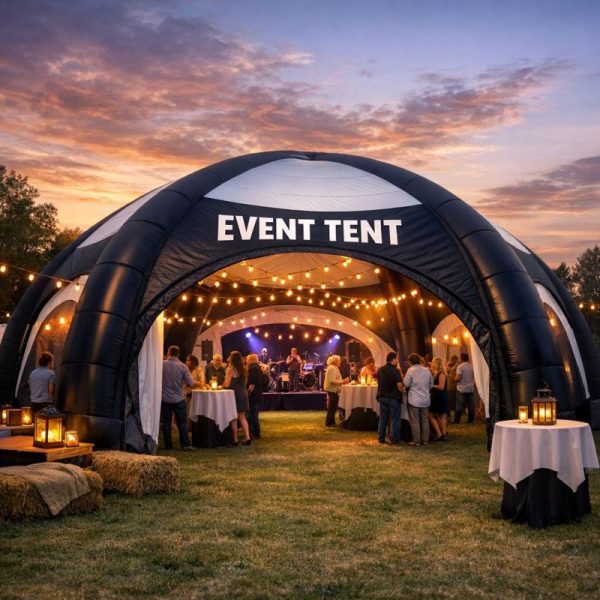
Selecting an inflatable event tent often begins with assessing the specific environments where your clients will use it. Some are planning outdoor trade shows in unpredictable weather, while others may need shelter for internal company events that spill outside during breaks. It’s important to recognize that while inflatable tents provide quick setup and flexibility, they aren’t as robust against harsh weather as traditional frame tents.
Wind resistance is a common concern. Inflatable event tents can handle mild breezes but become vulnerable when gusts exceed certain speeds. Securing the tent properly with ground stakes or sandbags helps, but it’s crucial not to over-rely on inflatables alone in exposed locations. Moreover, their materials can be susceptible to damage if sharp objects or rough surfaces are involved, so choosing a site with clear, flat ground is advisable.
Rain protection varies depending on the fabric and construction quality. A waterproof coating is standard, yet heavy downpours test the seams and attachment points. If your client plans to host events during rainy seasons or in regions with unpredictable showers, consider models with reinforced seams and quick-dry floor mats to maintain guest comfort. Ventilation also plays a role; some inflatable tents trap heat and condensation, which might affect usability indoors or under intense sunlight.
Weighing Setup Efficiency vs. Longevity
The main charm of inflatable event tents lies in how quickly they go up compared to traditional alternatives. A small crew can get a tent inflated and ready in under 15 minutes without intricate assembly or heavy lifting. This ease can dramatically save labor costs and reduce setup stress on tight schedules.
However, this convenience often comes with a trade-off. Inflatable tents typically have fewer structural elements, meaning they can wear out faster when frequently used over uneven surfaces or transported without proper packing. The air tubes are vulnerable to punctures, and continuous inflations & deflations might weaken the seams over time. It’s worth discussing the balance between the client’s anticipated frequency of use and the tent model’s durability ratings.
Some distributors provide options for repair kits and spare parts, which is essential for maintaining longevity. Clients that frequently rent or move the tents should prioritize purchasing models with replaceable bladder components or modular inflatables that allow easy patching. This reduces downtime and additional expenditure on complete replacements.
Managing Size and Branding Options in Inflatable Event Tents
Event planners and buyers often face the challenge of picking the right size inflatable tent that fits the client’s needs without wasting space or creating clutter. Inflatable tents can vary from compact shelter for small pop-ups to larger pavilion-style tents suitable for sizeable crowds.
Real-world usage shows that oversizing a tent might mean excessive inflation time and increased air consumption, possibly requiring heavier power sources. On the other hand, undersized tents may limit traffic flow or fail to provide adequate protection from environmental elements. Confirming exact attendee counts and the number of activities within the tent area helps inform the right dimensions.
Branding is another practical issue. Many businesses seek tents with prominent logo placement and fully customizable prints. Inflatable fabric offers great surfaces for vibrant graphics but requires careful design consideration to avoid wrinkles or distortion after inflation. Larger-scale branding is possible, but if the tent folds or crumples during transport, the logos may crease, affecting the visual impact at an event.
Choosing the right print method—digital printing versus vinyl overlays—also affects the tent’s lifespan and colorfastness. Keep in mind that some colorants are less resistant to UV exposure, so your buyers should weigh whether vibrant aesthetics versus long-term appearance matter most for their event calendar.
Ensuring Safety and Compliance on Event Sites
Regulatory compliance is an area where inflatable event tents demand specific attention. Depending on the region, certain building codes or fire retardancy standards must be met. Clients often overlook these requirements until they’re on-site faced with inspection hurdles.
Flame-retardant coatings or fabrics are typically mandatory for public events. Ask for certification documents from suppliers and ensure the tents have been tested under relevant standards like NFPA or EN-certified materials. Some jurisdictions also require wind and snow load certificates, so clarify these aspects based on your client locations.
Another common safety factor is anchoring. An inflatable tent with insufficient or improper anchoring can become a hazard in high winds or crowded venues. Anchoring requirements differ depending on surface type—concrete, grass, asphalt—and choosing appropriate tie-down kits is critical.
Additionally, electrical safety around inflatables is practical to discuss. If your clients intend to use lighting, sound systems, or heating inside the tent, verify that cable management and power sources meet safety standards to avoid tripping or fire risks.
Transportation and Storage: Planning for Practical Constraints
The portability of inflatable event tents is one of their selling points, but it also introduces logistical considerations your clients must plan for. Their size when packed down, overall weight, and storage space required can influence purchasing decisions.
While smaller tents pack into manageable bags, large models may require considerable trunk or truck space. Some tents come with wheeled carrying cases, yet these can add to the bulk. Understanding whether the buyer has frequent on-the-road use or a fixed storage facility influences which tent style fits best.
Climate-controlled storage often benefits inflatable tents, particularly in humid or very hot climates. Prolonged exposure to extreme temperatures when deflated and stored might degrade the material and adhesives, shortening lifespan. For clients with long-term rentals or event directories spanning seasons, investing in suitable storage conditions protects the tent’s integrity.
Another important consideration is inflation equipment. Electric blowers are standard but may require additional power sources and noise limitations in sensitive venues. Battery-powered inflators exist but often have limited run time. Confirming that clients’ event venues can provide sufficient electrical supply avoids surprises on setup day.
Ultimately, balancing ease of transport, storage, and inflation logistics with durability and size options ensures clients get the most practical solution without operational headaches.
Selecting and managing inflatable event tents is a nuanced process. Understanding real-world trade-offs around weather suitability, setup speed, size, branding needs, safety standards, and transport requirements helps professional buyers and planners make informed choices that fit both event goals and budget constraints. As suppliers, sharing these grounded insights enables smooth event execution and satisfied clients.