
Table of Contents
Inflatable Beach Furniture for Outdoor Events
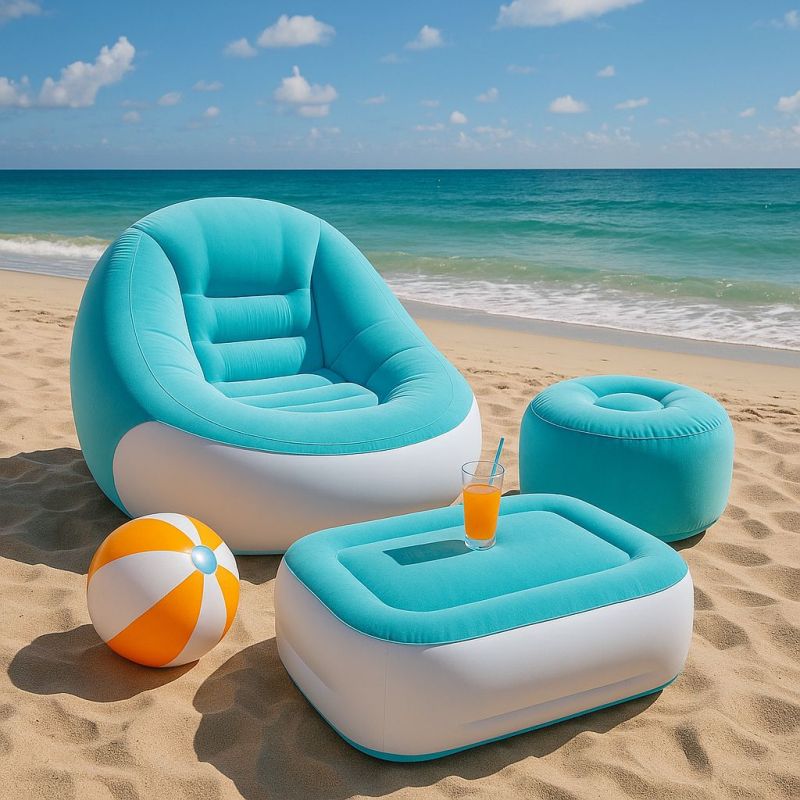
When planning outdoor events, especially those by the water or at coastal venues, inflatable beach furniture often comes up as a tempting option. The lightweight and portable nature of these pieces makes setting up and packing down simpler compared to traditional furniture. However, not all inflatable options are created equal. From material durability to ease of inflation, choosing the right type depends heavily on the event conditions and expected usage.
For instance, if an event is planned near sand and saltwater, look for furniture made with ripstop nylon or heavy-duty PVC that can resist abrasion and corrosion. Cheaper materials may tear quickly or fade under sun exposure. Consider models that can be easily wiped clean and resist mildew, since beach environments tend to be humid and salt can accelerate wear. Sturdiness also varies widely—some inflatable chairs can hold only light weights, unsuitable for longer sessions or bigger guests, while others feature reinforced seams and thicker chambers.
The air valve design is a practical detail often overlooked. Quick valves speed up setup, helping when you have several pieces to inflate, but they might be prone to leaking air if not sealed properly. Twist-lock valves hold air better but can take longer to use. Make sure your choice matches the scale and timing of your event.
Balancing Comfort and Portability
The key advantage of inflatable beach furniture lies in how portable it is. Many designs deflate into compact sizes that a single person can carry easily, making transport and storage far less cumbersome than solid furniture. This portability is ideal for event planners working in multiple locations or for distributors providing rental inventory that needs quick turnaround.
That said, comfort can sometimes take a back seat for the sake of portability. Thin or overly soft inflatable furniture may lack sufficient support. Some options come with ergonomic shapes, cushioning, or even integrated pillows, but these features tend to add bulk when packed and can inflate the setup time.
Another common issue is stability on uneven or soft surfaces like sand. Furniture with a wider base or interlocking design helps prevent tipping, but these features may add weight and reduce portability. It’s a balancing act. The best inflatable beach furniture for your needs will depend on how much time and effort you can dedicate to setup and how important comfort is relative to transport convenience.
Durability Considerations in Rental and Reuse Scenarios
Distributors and rental companies put inflatable beach furniture through heavy use, so durability is front of mind. Constant inflating and deflating can degrade seams and valves if the product’s quality is subpar. Expect to spend time on routine maintenance to check for leaks or punctures and to make repairs if possible.
While some event planners might treat inflatable beach furniture as disposable, experienced buyers often look for items that can withstand multiple events. Fire-retardant and UV-resistant coatings extend lifespan, but add to cost. Reinforced joints keep stress points from weakening over time.
An important factor is how well the product performs after repeated exposure to outdoor elements like wind, sand, and moisture. Cheaper inflatables often lose air faster or develop permanent deformities. Investing in higher-quality construction can mean fewer replacements and less hassle managing your event inventory.
Inflatable Beach Furniture in Branding and Customization
Many professional buyers are drawn to inflatable beach furniture because it offers a large, visible surface for branding. Logos, slogans, and vibrant colors can be printed directly onto the material. Since these pieces often serve as gathering spots or photo backdrops, they can enhance brand recognition at events.
One practical concern is the printing method used. Screen printing may wear off with abrasion typical on beaches, so sublimation or digitally printed options tend to hold up better. Another consideration is color choice; bright colors stand out but can fade under continuous sun exposure, leading to an inconsistent branded look during a multi-day event.
Customization often extends to shape and size, from oversized lounge chairs to inflatable ottomans or even inflatable bars. Understand the trade-offs: highly specialized shapes sometimes require custom molds or designs, which increases cost and lead times, and may complicate shipping logistics.
Maintenance and Storage Challenges
Inflatable beach furniture may seem straightforward but maintaining it takes attention to detail. Deflating properly without rushing helps preserve seams and valves. Thorough drying before storage is critical to avoid mold and mildew buildup, especially given beach environments tend to be damp.
Storage space should be cool and dry; extreme temperatures or direct sunlight can degrade the material even when not in use. Folding and packing improperly might create creases that eventually cause weak points. Many event planners prefer dedicated bags or cases for each piece.
Cleaning is another frequent necessity. Sand, salt, and sunscreen residues accumulate quickly. Gentle soap and water usually work best, avoiding harsh chemicals that could damage coatings or prints. A quick inspection before every use can catch small issues early, preventing more costly repairs down the line.
For buyers managing large inventories, keeping an organized maintenance schedule and training staff on proper handling can make all the difference in extending the life of inflatable beach furniture assets.


