Table of Contents
Outdoor Inflatable Furniture for Different Event Types
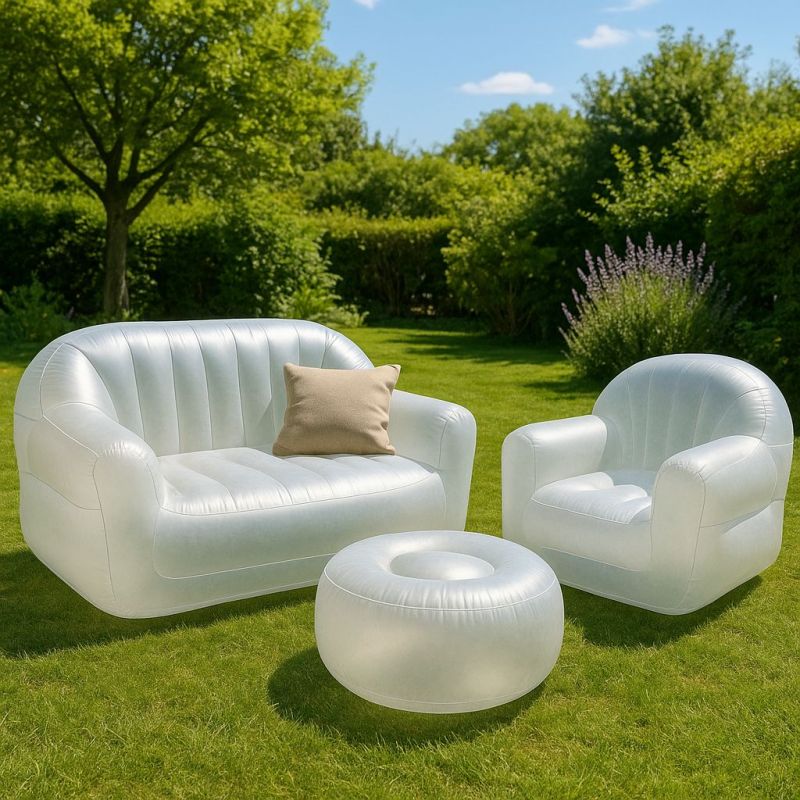
Selecting outdoor inflatable furniture can significantly impact the comfort and vibe of an event, but the decision isn’t straightforward. Not all inflatable pieces work equally well across various event types. For casual social gatherings or beach parties, lightweight inflatable loungers and sofas offer portability and quick setup, which can be a lifesaver when locations have limited access to power or storage. However, for corporate events or trade shows, the quality and style of the inflatable seating need to convey professionalism while still providing flexibility.
Outdoor inflatable furniture is often appreciated for its versatility, but it comes with limitations on durability and support compared to rigid furniture. This means you must carefully weigh how long the event lasts and how heavy the expected foot traffic will be. Inflatable pieces are typically suited for short-term use—frequent repositioning or prolonged sitting in high-traffic areas may cause unnecessary wear or discomfort. Considering the expected use scenario will help you avoid a situation where lightweight convenience leads to early failure or diminished guest experience.
Navigating Material Choices and Their Impact on Longevity
Two key factors affecting outdoor inflatable furniture’s performance are the material composition and the type of inflation used. PVC-coated nylon or TPU fabrics are common in many models because they balance comfort, durability, and weather resistance. Some suppliers offer exclusively TPU-coated pieces because of their resistance to UV rays and minor abrasions, which prolong usability in outdoor settings.
Different materials may also require specific care routines. For instance, PVC inflatables often need to be cleaned with non-abrasive products to preserve flexibility, whereas TPU inflatables can tolerate gentle soap and water without risk of damage. Not every buyer knows how critical this care knowledge is; improperly maintained inflatable furniture can lose air retention or develop punctures quickly.
Unfortunately, inflatables are more vulnerable than rigid furniture when it comes to sharp edges or rough surfaces. Large trees, stone paths, or gravel areas pose real challenges if the event space isn’t prepped accordingly. You may have to invest more effort upfront for suitable ground protection or strategically place inflatables away from potential hazards to minimize damage.
Inflation Methods: Balancing Speed, Noise, and Portability
How you inflate outdoor inflatable furniture influences not only setup speed but also the overall guest experience. Electric air pumps are the norm since they fill pieces quickly and reduce labor costs, which is crucial for large-scale events. However, many electric pumps generate noticeable noise, which can be distracting in environments that prioritize calm or intimate atmospheres.
Hand or foot pumps are quieter alternatives that provide more control but at the cost of increased manual work and longer setup time. A practical compromise some organizers use involves pre-inflating furniture before arrival and transporting it carefully, though this increases logistical complexity and may not always be feasible.
Portable battery-operated pumps have grown more popular as a middle ground, pairing quick inflation speeds with quieter operation. Still, these devices demand sufficient battery life and can introduce additional costs, especially if multiple pieces must be inflated simultaneously. Planning the inflation method according to event logistics and the nature of the venue helps prevent inflatables from becoming a bottleneck in setup.
Weight Capacity and User Comfort: Why Size Matters More Than You Think
Outdoor inflatable furniture offers a fun and casual seating option but often comes up short when it comes to weight capacity and sustained comfort. Most inflatable sofas and chairs are designed to accommodate average adult weights but may feel flimsy or unstable with heavier users. Unlike traditional furniture, inflatable pieces may not evenly distribute weight, leading to dipping or balance issues that can spoil the relaxing vibe you aimed to create.
This raises an important trade-off. If you prioritize portability and ease of storage, you may need to accept that the maximum weight rating will be lower than with bulkier solutions. On the other hand, heavier-duty inflatables do exist, but they tend to be bulkier and more expensive, challenging the idea that inflatable furniture is inherently lightweight.
Additionally, because inflated surfaces lack firm support, guests might find sitting for extended durations uncomfortable. Some clients mitigate this by supplementing inflatable furniture with cushions or pairing it with sturdier lounge chairs. Setting realistic expectations regarding comfort and support levels will save time and frustration both during setup and throughout the event.
Weather and Environmental Considerations: Preparing for the Unexpected
Planning to use outdoor inflatable furniture means preparing for elements far beyond just sunshine. While many inflatables are marketed as weather-resistant, prolonged exposure to rain, wind, or sun can rapidly degrade materials or affect usability. Strong gusts risk dislodging unsecured or lightweight furniture, potentially creating safety hazards or requiring constant repositioning and monitoring.
Securing inflatable items usually requires specialized anchors or sandbags, especially on grassy or sandy terrains. Hard surfaces like concrete or decking may allow inflatable furniture to slide unless non-slip mats or adhesive pads are used. On top of stability concerns, moisture accumulation inside the inflatable itself can occur after rain, especially if pieces are not dried properly before storage, leading to mildew or unpleasant odors.
Many event planners underestimate how quickly surface temperatures can rise on sun-exposed inflatables, making seating uncomfortable or even leading to material softenings. In extreme heat, the trapped air inside might expand, creating extra pressure on seams. Conversely, cooler temperatures may cause contraction and reduce comfort. Knowing how your selected outdoor inflatable furniture responds to environmental changes helps prevent last-minute surprises.
Storage and Transportation: Making the Most of Space and Handling
One of the biggest appeals of outdoor inflatable furniture is its compact storage footprint when deflated. Still, packing and transporting inflatables demands care and planning to avoid damage. Inflated items can be awkward in size, so most delivery and setup teams rely on tight rolling or folding techniques paired with protective bags.
Repeated compressing and unpacking will shorten the lifespan of the outer fabric and inflation valves. Choosing inflatables with reinforced seams and sturdy valves is critical if you expect regular use. Keep in mind that even the most durable models aren’t immune to accidental punctures during transportation, so carrying patches and repair kits on hand is good practice.
Bulkier inflatables that offer better seating stability require larger cases and sometimes even dedicated storage space. Balancing the need for ease of movement against durability and user experience could mean investing in a wider range of inflatable furniture types to suit different event scenarios and logistical constraints.
Anyone sourcing outdoor inflatable furniture for recurring or multi-location use should map out storage and transport processes early to avoid damage or lost pieces. It’s often the small details here—like knowing how to quickly dry an item or safely stack multiple packs—that differentiate a hassle-free event from one full of emergency fixes.