
Table of Contents
Inflatable Tent Outdoor Camping size
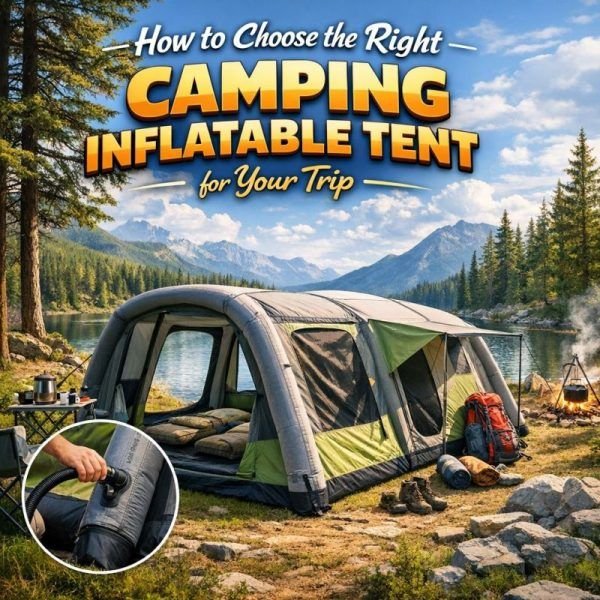
One of the first decisions you’ll face involves sizing. Inflatable tents for outdoor camping come in various dimensions, from compact two-person models to larger units that accommodate eight or more. It’s tempting to go big, especially if you want to cover gear or create lounge space. However, remember that larger tents not only weigh more but can take longer to set up and pack away. From experience supplying event planners, bigger isn’t always better—consider how much space you really need and how you’ll transport the tent.
For example, a small team heading out for a weekend might prefer a lighter, easier-to-handle tent that inflates quickly, even if it means slightly less room. Meanwhile, trade show operators or outdoor exhibition hosts might prioritize tents that offer more interior space to comfortably showcase products or accommodate foot traffic. Think about the trade-off between size and portability carefully.
Keep in mind that wind resistance can vary with size too. Larger inflatable tents commonly come with additional anchoring points to stabilize them, which is crucial when you expect breezy conditions. Smaller tents aren’t as vulnerable but could lack the flexibility to add extra tie-downs.
Inflation Mechanisms and Their Practical Impact
Inflatable tents use air beams instead of traditional poles, making set-up faster and often more intuitive. Still, not all inflation mechanisms are created equal. Some tents come with electric pumps, while others rely on manual foot pumps. You have to match the inflation method with your event’s context.
If you’re organizing an event with electrical access, an electric pump can save time and labor. It ensures a consistent pressure and makes inflating a large tent less tiresome. However, for camping sites or locations without power, manual pumps become a necessity. They require more effort but also reduce the risk of pump failure due to power issues.
Another consideration is how fast the tent inflates and deflates. This matters if your client needs to set up or pack up quickly, such as for pop-up events or short camping trips. While some models promise inflation in under two minutes, realistic experience shows actual times depend on pump capacity and user familiarity.
Those managing multiple events or rentals often opt for tents with interchangeable or replaceable air beams. This helps keep downtime low if an air tube leaks or is punctured during outdoor use.
Weather Resistance and Inflatable Tent Outdoor Camping Performance
Weather can be unpredictable, and inflatable tents perform differently under various outdoor conditions. Frequently, clients ask how these tents stand up to rain, wind, or harsh sun.
Inflatable tents generally offer excellent waterproofing because seams are welded or sealed, reducing leaks common in traditional tents. But prolonged heavy rain can weigh down certain fabrics, so check the material’s water column rating and tear strength. Thick PVC-coated polyester usually fares better in rough weather.
Wind resistance is another matter. The flexible air beam design can absorb gusts more effectively than rigid poles, which tend to snap or bend. Still, anchoring is crucial. Even the sturdiest inflatable tent won’t hold firm without proper stakes, guy lines, or sandbags. For outdoor camping in windy areas, it’s wise to confirm the tent includes sufficient securing points or plan how you’ll add them.
Sun exposure affects longevity too. UV rays can degrade fabric coatings over time, so tents intended for extended outdoor use should feature UV-resistant coatings. This prevents color fading and fabric weakening, extending the tent’s usable life.
Ease of Transport and Storage Considerations
Inflatable tents pack down differently than classic pole tents. Many buyers appreciate the compactness once deflated but may underestimate the pack weight. The air beams and thicker fabric can be heavier, posing challenges if you expect frequent moves or hikes to remote campsites.
Knowing the total packed size and weight before purchasing is practical. Some inflatable tents fold down into bags similar in size to a sleeping bag, while others can be quite bulky. For professional distributors or rental providers, ease of transport directly impacts labor costs and vehicle space planning.
Additionally, inflatable tents demand careful storage to preserve their lifespan. Moisture trapped inside before packing can lead to mildew, so tents need to be thoroughly dried. This isn’t always possible during short turnaround times between events. Suppliers recommend having a drying protocol and storage space that accommodates flat or loosely folded tents rather than forcing tight rolls that could stress air beams.
[Insert Table comparing typical sizes, weight, and pack dimensions of popular inflatable tents here]
Maintenance Challenges and Repairability on the Road
Unlike traditional frame tents with straightforward pole replacements, inflatable tents rely on air beams that can puncture or leak. This vulnerability worries many planners, but experience shows repairs don’t have to be a logistical headache.
Most inflatable tents come with repair kits—patches and glue similar to bicycle tire repair sets. Knowing how to identify and fix a slow leak saves rental operators and campers from last-minute crises. Training staff or clients in makeshift repairs can avoid costly downtime.
However, some beams are integrated into sidewalls or roof panels, making replacements trickier if damage is severe. For high-use situations, opting for tents with detachable beams or modular parts can ease maintenance.
Routine care also involves keeping air valves clean and functioning, as dirt or debris can cause leaks or faulty seals. When prepping for outdoor camping or frequent use, include valves in your inspection checklist alongside fabric checks.
Choosing the Right Accessories to Enhance Functionality
Adding functional accessories can extend the usability of inflatable tents outdoors. Sidewalls, entrance awnings, and partition panels can convert a simple shelter into a versatile space suitable for equipment storage, privacy zones, or merchandising areas.
Keep in mind that accessories often change the tent’s ventilation and light levels. For example, attaching full PVC sidewalls can reduce airflow, which might require supplemental ventilation in hot climates.
Also, consider how accessories affect setup time and pack size. Modular sidewalls or quick-attach awnings can make a huge difference in flexibility but may add complexity during installation.
For outdoor camping or event planners interested in branding, inflatable tents offer plenty of printing options. Customized graphics can be applied directly on fabric walls. Make sure to inquire about printing durability under outdoor conditions like rain or sun exposure.
By understanding these practical concerns around inflatable tent outdoor camping, you can make informed choices based on real-world performance rather than marketing promises. This equips event planners and distributors to select tents that suit their specific needs, environments, and budgets.


