
Table of Contents
Balancing Setup Speed and Durability for Inflatable Camping Tents
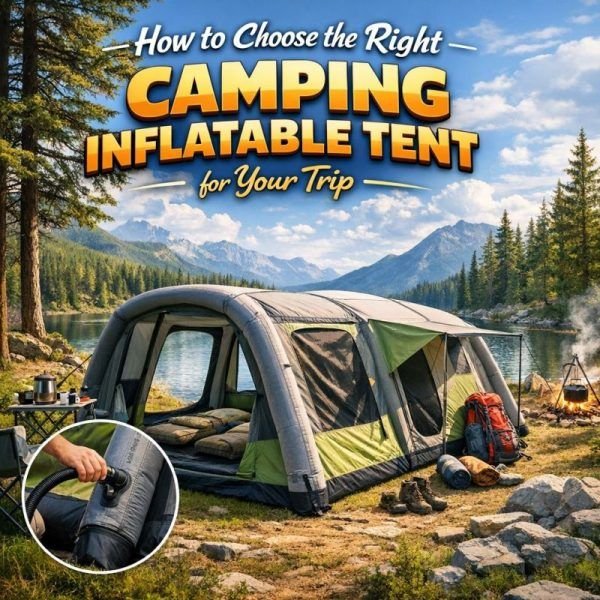
Event planners handling outdoor setups often appreciate how inflatable camping tents cut down assembly time. Unlike traditional pole tents, these tents inflate quickly using an air pump, often in just a few minutes. That means less manpower and faster transitions during event setups. However, the convenience can come with trade-offs.
While an inflatable camping tent typically reduces setup hassle, it may not withstand rough weather as well as pole-frame tents. Wind gusts, sharp objects, or prolonged exposure to sun and rain can affect the inflatable beams and fabric over time. Choosing the right model often requires assessing whether the priority is rapid deployment or rugged durability. For short two- or three-day outdoor events with fair weather, inflatable tents rarely disappoint. But for longer or more demanding conditions, reinforcements, patch kits, or hybrid models might be necessary.
Weight and Transportation Considerations in Bulk Orders
Transporting and storing event equipment needs to be practical, especially when sourcing multiple units. Inflatable camping tents generally weigh less than metal or fiberglass pole-based tents, simplifying logistics. This lighter weight can reduce freight costs and ease manual handling, particularly if your event involves multiple setup locations.
Still, the air pumps and repair kits add extra pieces to manage. Distributors and buyers must also remember that inflatable tents require air tanks or electric blowers powered by generators or batteries. While the tents themselves pack down compactly, the blower systems and replacement parts add space requirements and complexity to the transport plan.
If your team regularly deploys smaller events or promotional stands, inflatable tents can be a space saver and speed boost, but plan carefully around the associated gear. Overlooking blower or repair kit logistics can cause delays and frustration on-site.
Choosing Suitable Sizes and Configurations to Match Event Requirements
Inflatable camping tents come in a variety of sizes and shapes, ranging from small individual shelters to large multi-room setups. Selecting the right size is crucial for effective use. Smaller tents are ideal for quick demonstrations or individual vendor booths. Larger tents accommodate corporate hospitality, workshops, or combined stalls.
Keep in mind that larger inflatable tents need proportionally bigger pumps and may take longer to stabilize once inflated. In windy situations, bigger tents also require more anchoring and guy ropes to stay secure. Using heavier-duty ground stakes or sandbags may be necessary.
Some inflatable tents integrate modular walls or detachable panels, adding flexibility in configuring interior spaces. These options are suited to events demanding variable layouts but come at the cost of increased complexity and setup time.
Managing Maintenance and Repair Needs in Repeated Use Scenarios
Repeated usage of inflatable camping tents exposes seams, valves, and fabric to wear and tear, which calls for proactive maintenance plans. Event professionals sometimes underestimate this aspect, leading to last-minute compromises.
The good news is many inflatable tents are made from high-quality PVC or polyester blends with coating treatments to resist UV and moisture. However, accidental punctures from sharp objects like stakes or tools remain a concern. Carrying a patch repair kit on-site is essential.
Cleaning after events is another consideration. Dirt and debris can abrade material if not gently removed. Regular inspections for leaks are recommended by inflating the tent fully and listening or feeling for escaping air.
Scheduling routine checks and repairs extends the usable life of inflatable tents and reduces the risk of failures during events.
Electrical and Power Source Planning for Inflatable Tent Setup
An inflatable camping tent depends entirely on air pressure to stay upright, which means a reliable power source for inflation is critical. Failure here can spell disaster during an event.
Often electric blowers need access to generators or mains power. When planning setups in remote or temporary locations, ensuring consistent power supply is paramount. Some handheld or battery-operated pumps cater to smaller tents but may not efficiently handle larger units.
Contingency plans should include backup power options or manual inflation devices if possible. Event planners and distributors must consider these needs upfront as the time and staff involvement to re-inflate or stabilize a collapsing tent can disrupt schedules and safety.
Furthermore, powering the blower continuously during an event isn’t always required—many tents maintain pressure for hours after inflation—but having monitoring procedures in place helps prevent unexpected air loss.
Integrating Branding and Custom Graphics on Inflatable Structures
For promotional uses, one of the big advantages of inflatable camping tents is their adaptability as customizable advertising spaces. Many models allow for printed graphics over large surface areas, turning a tent into a moving billboard.
Since the fabric is vinyl or other synthetic materials, high-quality prints can be applied directly or via attachable panels. However, maintaining print integrity involves understanding that rough handling and frequent storage compressions may wear down the visuals.
UV resistance in both fabric and inks varies by manufacturer. Picking materials optimized for outdoor graphics can improve longevity. Are you planning multiple events in bright sun? Factor that into your choice.
The branding impact can be significant, but it requires collaboration between suppliers, printers, and end-users to ensure designs fit the curved tent surfaces and remain vibrant throughout the event lifecycle.


