Table of Contents
Inflatable Furniture for Large-Scale Events
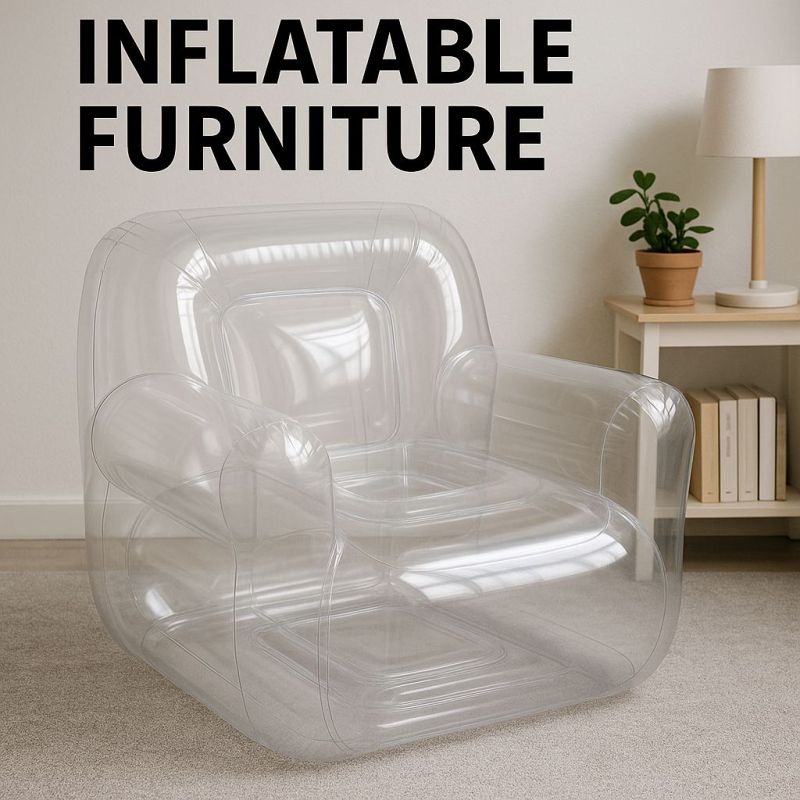
When planning an event that needs a lot of furniture quickly, inflatable furniture often comes into the conversation. Its biggest draw is the ease of transport and set-up compared to traditional items, especially when you’re juggling multiple venues or tight timelines. The fact that these pieces deflate and fit into small bags means you can move them in bulk without much hassle. However, this convenience comes with some compromises.
Keep in mind that inflatable furniture typically isn’t designed for heavy-duty or long-term use. The material quality can vary dramatically depending on the manufacturer, and the thickness of the PVC or vinyl often dictates durability. It’s not unusual for the seams to wear after repeated use, especially in high-traffic areas or when used outdoors. Also, these pieces tend to have a limited weight capacity, so understanding the expected user profile is part of planning.
Many event planners overlook the subtle but important issue of comfort. Inflatable sofas and chairs sometimes feel overly firm or unstable, especially if the inflation level drops as the event progresses. Having a reliable way to top up air pressure during a long day can save headaches. The visual impact is strong, but matching inflatable furniture with the rest of your décor isn’t always straightforward.
Balancing Portability with Aesthetic Expectations
Inflatable furniture scores well on portability, but that convenience might make you second-guess your overall event design. For formal gatherings or high-end corporate affairs, inflatable items can look out of place without proper styling. Their glossy surfaces and rounded shapes don’t always align with sleek, modern, or traditional aesthetics.
If appearance matters, look for inflatable furniture that can be covered or accessorized. Slipcovers or fabric wraps can soften the look and integrate these pieces into a cohesive theme. These custom options, though, add layers of complexity and cost that need to be factored into your budgeting.
Keep in mind that outdoor usage exposes inflatable furniture to elements that can alter their appearance. Sunlight tends to fade colors and weaken material over time. Sharp objects like branches, pet claws, or even rough pavement pose risks for punctures. That’s why many planners reserve inflatable furniture for controlled environments or incorporate backup seating options.
Inflation Methods and Their Impact on Event Flow
You might not realize how critical the inflation process becomes when managing multiple inflatable pieces. Manual pumps can be labor-intensive and slow, which quickly adds up if you need 30 chairs inflated before doors open. An electric pump is generally a better solution, but it requires power access and adds equipment to the logistics list.
The inflation speed can affect event timelines. A rush to inflate might lead to overfilled furniture that feels rigid and uncomfortable, while underinflated pieces are unstable. Systems with pressure regulators or built-in gauges take some of the guesswork out, helping ensure consistency across all units.
It’s important to consider noise levels when choosing pumps, especially in quiet event spaces or during presentations where distractions must be minimized. Running pumps out of sight or before guests arrive helps maintain professionalism.
Deflation and pack-up also must be factored into closing times. Efficient deflation can be just as important as setup speed, especially if the crew has a narrow window to remove everything. Inflatable furniture often folds up compactly, but the time required to ensure it’s dry and undamaged can catch planners off guard.
Maintenance and Repair: What You Should Know
Inflatable furniture requires more hands-on maintenance than typical upholstered pieces. Regular inspections to spot wear, tears, or valve leaks help avoid unexpected failures during an event. Carrying repair kits with patches and glue is a smart precaution.
Some inflatable furniture arrives ready for professional repair, but many event teams are tasked with quick fixes onsite. Repair kits vary widely in quality, and certain materials respond better to patches than others. A small puncture in the wrong spot can render a piece unusable for hours if you don’t have the right supplies.
Storing inflatable furniture properly also matters. Humidity and temperature extremes can degrade the material. Folding pieces carefully to avoid creases helps prolong service life. It’s a good idea to keep all instructions and repair notes in the same place for easy reference each event season.
Longevity expectations should be adjusted realistically. Inflatable furniture is not the luxury brand of seating. If your events demand sturdy, durable furniture that lasts years without intensive care, it won’t fit this category well.
Meeting Safety Standards with Inflatable Furniture
Safety regulations around event furniture can vary depending on your location and event type. Inflatable furniture’s lightweight nature does bring some advantages here—fewer injuries related to lifting or moving heavy items, and less risk in crowded emergency evacuations.
Still, there are unique risks to consider. Fire resistance is often a critical standard, especially indoors. Many inflatable items fail to meet stringent fire codes unless specifically treated with flame-retardant coatings. For events in strict venues, this could limit your choices.
Another consideration is stability. Because inflatable furniture is less rigid, sudden movements or uneven ground can cause tipping hazards. It works well in calm indoor settings but gets tricky when placed on sloped surfaces or where guests are likely to lean heavily.
Verifying certifications and testing reports from suppliers can save you from compliance headaches. Additionally, communicating these safety details clearly with your event team and security personnel ensures everyone understands the furniture’s limitations.
Comparing Cost and Value in Inflatable Furniture Investments
Cost is often the first filter that event procurement teams apply. While inflatable furniture typically comes cheaper upfront than solid wood or metal-frame options, the gap narrows when factoring in frequent replacements, repairs, and potential downtime from failures.
Consider how long you plan to use the furniture and how often it will handle heavy footfall. If an inflatable sofa holds together for only a season before needing replacement, you might spend as much over time as if you’d invested in sturdier materials.
On the flip side, for short-term events, trade shows, or pop-ups where quick installation and breakdown matter most, inflatable furniture represents strong value. Its lightweight nature reduces shipping costs and stress on labor resources, letting you allocate budget elsewhere.
Determining value means weighing initial purchase cost against practical usability and longevity. Testing different options before committing to large orders is wise to find the balance that fits your specific event needs.
—
Navigating the pros and cons of inflatable furniture can help you make smarter decisions under tight constraints. Whether you’re chasing portability, cost efficiency, or quick installation, understanding this category’s nuances is worth the effort.