Table of Contents
Finding the Right Inflatable Fishing Tent for Varied Environments
Choosing an inflatable fishing tent isn’t about picking the flashiest option or the one with the most bells and whistles. It comes down to considering where and how you’ll use it most often. For a client working by calm lakes, simpler models with fewer support chambers might be sufficient—they’re lighter and quicker to set up. But for those venturing onto rougher waters or colder spots, stability and insulation become priorities.
Inflatable fishing tents vary greatly in durability, material thickness, and frame design. A tent that boasts a robust frame can hold up better against strong winds but may add to the pack weight and setup time. This trade-off often sparks questions from event planners who need quick turnaround setups. It’s worth noting that some designs incorporate multiple air chambers, offering more reliable wind resistance by keeping the tent upright even if one section loses pressure.
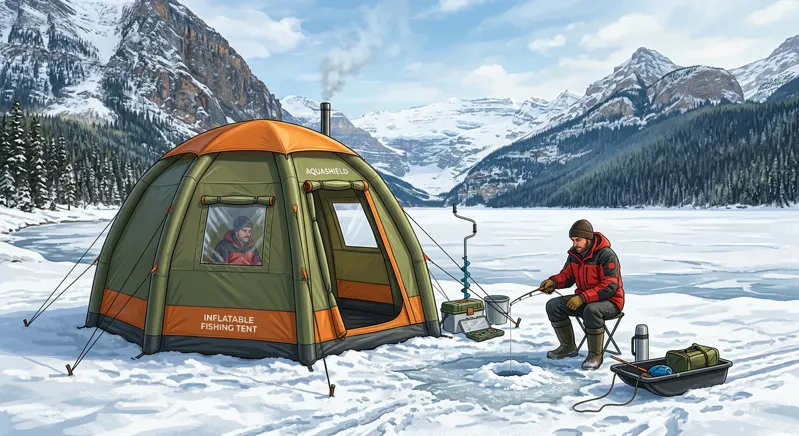
Making a balanced decision here often results from hands-on experience or detailed feedback from fishing communities. Clients sometimes underestimate how the environmental conditions impact the setup and longevity of their inflatable fishing tent. Even the tent’s footprint and shape can influence how efficiently fishermen can arrange their gear and access fishing spots.
Balancing Portability and Stability in Inflatable Fishing Tent Selection
The hallmark of any inflatable fishing tent lies in its portability—but more portability sometimes means less stability. For professional buyers who coordinate large events or work with distributors dealing in multi-item shipments, weighing these factors becomes crucial.
If a fishing tent is too bulky or requires complicated pumps for inflation, it can slow down operations on site. On the other hand, tents designed with quick-set valves and light materials can feel less secure when heavy winds pick up or when clients place equipment inside. We’ve seen scenarios where selecting a tent designed for rapid deployment ended up costing time due to repeated re-inflations or structural adjustments mid-event.
Inflatable tents with integrated support poles versus those purely relying on air chambers offer different experiences. The former tend to be sturdier but heavier. The latter can fold up smaller yet trade off some rigidity. It’s essential to match the tent’s design with the expected use case and transport logistics.
Material Choices and Their Impact on Inflatable Fishing Tent Longevity
Not all inflatable fishing tents are created from the same materials. Buyers dealing with multiple orders across seasons need to consider the tent’s fabric quality closely. Often, tents made with thicker PVC or reinforced polyester coatings withstand abrasion and UV damage better than lighter, cheaper alternatives.
For fishing activities near saltwater or rough terrain, tent fabric’s resistance to corrosion and tears can extend usability. Planning distributors will ask about maintenance, too—some fabrics need careful drying and storage to avoid mildew or material fatigue.
A worthwhile practice is sourcing samples or at least getting detailed specs on fabric denier, seam welding techniques, and UV protection. Those specs directly correlate with how long the tent will retain its shape and protective properties. Not every inflating system integrates well with every fabric type, so thinking through the combined performance is critical for professional buyers.
Customizing Inflatable Fishing Tents for Brand Visibility
Distributors and planners often look beyond shelter features and into customization options. An inflatable fishing tent is not just a shelter. It can double as mobile branding space, which adds a layer of complexity to the decision-making process.
Printing logos or graphics onto tent material requires understanding the fabric’s compatibility with inks and the durability of those prints under outdoor conditions. Some tents come with designated areas for branding, while others allow fully printed surfaces. However, increased customization can sometimes affect the overall tent price and production time.
From experience, the ideal balance emerges when clients choose moderate printing areas that don’t interfere with tent flexibility or setup. Reflective decals or removable panels also offer temporary branding options that keep the tent’s structural integrity intact.
Maintenance and Repair Realities for Inflatable Fishing Tents
Inflatable tents depend heavily on airtight seams and valves, which are common points of failure. Understanding the repair needs upfront can save professional buyers and distributors headaches later on. Valves that clog or seams that leak will quickly turn an inflatable fishing tent useless in the field.
We recommend looking for tents with easy-to-access repair kits and replaceable parts. Some manufacturers offer patch kits and valve replacements as part of the package, which can be a practical detail for clients who operate in remote fishing spots.
Storage conditions also affect repairs; tents left damp or folded incorrectly degrade faster. Event planners juggling multiple units should schedule routine inspections and establish a repair process that can be done on-site or quickly via their supplier. Comprehensive after-sale support can be as valuable as technical features in the long run.
Considering Costs Versus Usage Frequency for Inflatable Fishing Tent Purchases
It’s common to see budget being the key factor, but costs shouldn’t just be about the initial outlay. A low-cost inflatable fishing tent might seem attractive, yet frequent use and exposure can accelerate wear, requiring replacement or repairs that quickly add up.
Professional buyers handling recurring seasonal events benefit from thinking about total cost of ownership. Larger distributors often negotiate for warranties or volume discounts, but it’s equally important to evaluate if a mid-range tent will last longer and perform better in actual fishing environments.
Sometimes, investing a bit more upfront avoids downtime and replacement hassle down the line. Weather conditions, frequency of setup, storage protocols, and client expectations all feed into the choice. More durable tents may weigh slightly more but directly translate to fewer headaches and smoother event management overall.
Choosing the right inflatable fishing tent boils down to matching features and performance to the specific needs of each buyer or client. Practical experience shows that this balance can make all the difference between a reliable, hassle-free shelter and one that becomes a logistical challenge during crucial moments.