
Table of Contents
Camping Inflatable Tent for Varied Event Needs
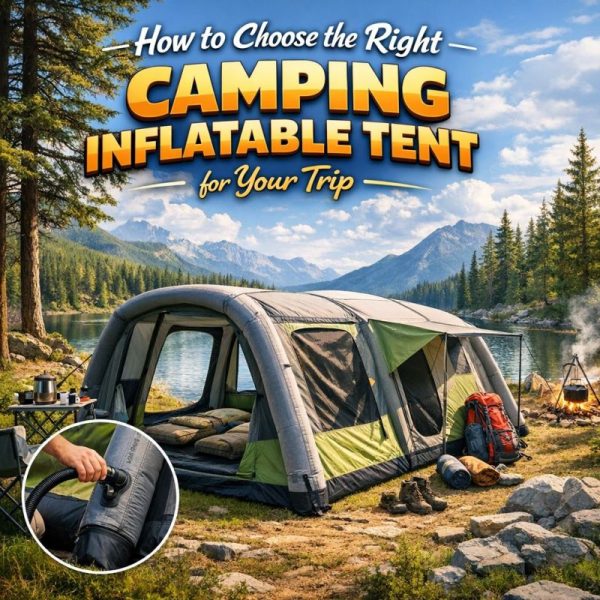
Planners and distributors frequently face the challenge of selecting camping inflatable tents that fit diverse environments and event sizes. Unlike traditional pole tents, inflatables offer quick setup and compact storage, but not every inflatable suits every scenario. For example, smaller tents work well for intimate promotional booths, but bigger models may be required for corporate events or multi-day camping experiences.
A key consideration involves the materials and durability. Thicker PVC or reinforced nylon fabrics hold up better to wear and tear, especially in windy conditions or on rough terrain. But these tend to add weight, making transport and handling trickier. Balancing ease of setup with resilience means assessing typical client requirements carefully. For instance, if the tent needs to endure multiple uses in high-traffic trade shows, durability should take precedence over ultra-lightweight designs.
When distributing camping inflatable tents, identifying the right size relative to event space and attendance is crucial. Larger tents often come with interconnected chambers or multiple air intake points for stability. These add complexity during inflation and require reliable power sources on-site, which might limit where the tent can be used effectively. Smaller units generally need fewer inflations and can be fully operational with a single, portable pump.
Managing Set-up and Breakdown Times in Fast-Paced Event Environments
One big selling point of camping inflatable tents is speed of assembly. Clients appreciate being able to erect a full tent within minutes, especially at events where time is money. However, the speed of setup depends a lot on the model’s design and the skill of the crew involved.
Some inflatable tents come with automatic inflation systems, meaning all you do is connect the pump and switch it on. In contrast, manual or semi-manual versions require more handling and careful pressure monitoring to avoid damage. Also, tents with multiple chambers might inflate unevenly without proper supervision, which affects stability.
Breakdown is another aspect that needs practical attention. Deflating and packing away a camping inflatable tent isn’t always as straightforward as it sounds. Trapped air pockets and crumpled fabric can add extra minutes to teardown time, which accumulates over multiple events. Educating clients on proper deflation procedures can save hassle and prolong tent lifespan. It’s easy to overlook these small but critical details when making a quick purchase decision, so sharing these insights as a supplier builds trust.
Weather Considerations: Balancing Ventilation and Protection
Weather is an unpredictable factor that heavily impacts camping inflatable tents’ performance. While many models boast water-resistant coatings and UV protection, real-world conditions often bring surprises. Poor ventilation, for example, can cause condensation inside the tent during humid or cool weather, leading to discomfort for users.
Tents with built-in air vents, removable panels, or mesh-lined doors offer better breathability but sometimes at the expense of full waterproofness. Pinpointing the right balance comes down to understanding the primary use case. If the tent is for short-term outdoor promotions under mostly clear skies, lightweight ventilation options might suffice. But for multi-day camping events exposed to storms, waterproofing and secure anchoring become non-negotiable.
It’s also worth mentioning wind resistance. Many camping inflatable tents perform well in light breeze but start to sag or shift when wind speeds pick up. This is where stakes and weighted anchors become essential. Clients often ask about using sandbags versus metal stakes—both have trade-offs. Sandbags are less damaging to surfaces and easier to transport but can be less stable in stronger winds compared to spikes driven into firm ground.
Maintenance and Longevity: What Keeps Tents Ready for Reuse?
Event planners and distributors quickly learn that proper tent care pays dividends over the long haul. Regular maintenance routines keep camping inflatable tents functional through multiple rental cycles or promotional tours. This includes cleaning off dirt and debris after each use and thorough drying before storage to prevent mold and material degradation.
Small punctures happen, especially with frequent use on rough surfaces. Most tents come with repair kits, but quality materials and airtight seams make a difference in how often repairs are necessary. It’s wise to recommend clients invest in sturdier tents if they anticipate frequent transport or rugged outdoor events.
Storage conditions matter too. Some tents left folded in direct sunlight or stored in damp basements show signs of fabric weakening or mildew in a few months. Ideally, tents should be stored dry, in temperature-controlled environments, and loosely folded to avoid stressing air chambers.
Transport and Logistics Challenges for Large-Scale Deployments
Moving camping inflatable tents from warehouse to event sites can become surprisingly complex. Although they pack down smaller than traditional frame tents, bulkier models require appropriate packaging and handling protocols to avoid damage or loss of components. Padding and protective bags help, but clients should consider the logistics beyond just tent acquisition.
Vehicle capacity, accessibility of event locations, and repeated setup frequency factor into decision-making on tent sizing and quantity. Light office tents might fit easily into vans or small trucks, whereas large canopies might need parcel trailers or box trucks. Coordinating transportation with setup crews prevents last-minute scrambling, especially when multiple tents are involved.
Often, planners must quantify how many tents fit on a pallet or in a storage container to optimize storage and shipping costs. Distributors benefit from sharing this data upfront to reduce confusion. Inflatable tents generally offer better space efficiency compared to frame tents, but the specifics vary widely by design and brand.
Practical Trade-offs in Customization and Branding Options
Branding plays a big role for promotional clients using camping inflatable tents. Many seek custom color schemes, printed logos, or tailored shapes that match their marketing goals. The good news is inflatable tents lend themselves well to customization thanks to smooth surface materials.
However, custom branding often extends manufacturing lead times and raises unit costs. Some clients act on short notice, so it’s essential to set realistic expectations about turnaround times. Vinyl printing and heat transfers are common methods, each with pros and cons related to durability and color vibrancy.
There’s also the matter of structural limitations. Highly irregular shapes or over-embellished designs could affect inflation stability or create stress points prone to wear. Advising clients on designs that complement the tent’s engineering ensures both visual impact and structural safety are maintained.
The balance here comes down to assessing how much branding matters relative to the tent’s core function. Functional reliability, setup simplicity, and transportability must stay front and center—even for heavily branded tents—since a breakdown or difficult setup could overshadow visual appeal during an event.


