
Table of Contents
Inflatable Crystal Bubble Tent
Selecting the appropriate size for an inflatable crystal bubble tent depends heavily on the intended use and the expected number of attendees. For event planners coordinating seating arrangements or product displays, cramped spaces can quickly undermine the tent’s appeal and functionality. Bubble tents are unique in that their transparent walls allow visibility from every angle, meaning the interior needs to feel spacious enough to create a comfortable and inviting atmosphere.
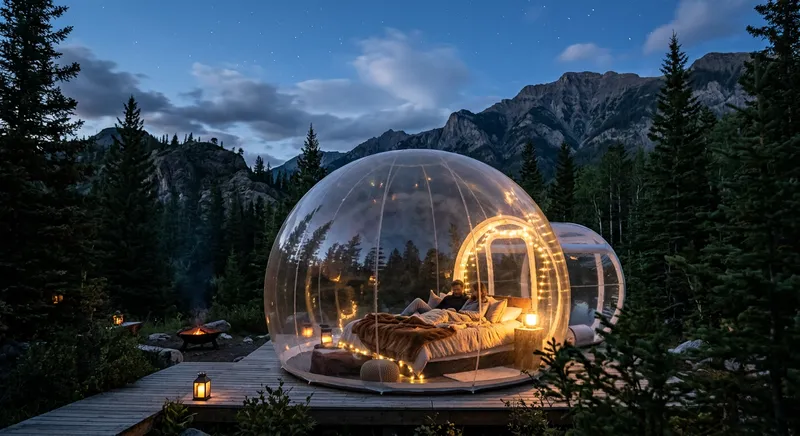
If you’re planning a VIP lounge at a music festival or a stylish private dining area at a corporate gathering, consider allowances for furniture, foot traffic, and any equipment. Overfilling the tent diminishes the airy feel that makes these structures so attractive. On the flip side, too large a tent for a small gathering can waste space and increase set-up complexity.
Practical factors like transportation and storage capacity should also influence size choices. Larger inflatable crystal bubble tents can be bulky and heavier, requiring more labor or specialized equipment to install. Often, buyers opt for a modular approach—using several smaller tents placed near each other to provide versatility and easier handling.
Dealing with Weather and Outdoor Conditions
While the clear walls of an inflatable crystal bubble tent offer beautiful panoramic views and natural light, they also present challenges in certain weather conditions. Direct sunlight can turn these tents into greenhouses, raising temperatures inside significantly during summer events. Considering ventilation options becomes essential to maintain comfort.
Many bubble tents include built-in vents or zipper flaps, but these must be strategically placed and managed. Temporary air conditioning units can be added, but this raises cost and power requirements, which may not always be practical in remote locations. Rain is less of an issue thanks to the waterproof materials, but condensation inside the tent can form if airflow is inadequate.
Wind is another consideration, especially given the large surface area of inflatable crystal bubble tents. Strong gusts can cause movement or instability, which might be disconcerting for guests. Securing the tents firmly to the ground and employing windbreak barriers in exposed areas can reduce these risks. When planning an event, always review local weather forecasts and prepare contingencies to protect both the tent and attendees.
Customization and Branding Opportunities
An inflatable crystal bubble tent provides a standout platform for branding, thanks to its unusual shape and transparent design. However, integrating logos or messaging onto a surface that’s predominantly clear requires creativity and careful material choices.
Applying vinyl decals or using interior banners can preserve visibility while promoting brand identity. Some clients have experimented with projection mapping inside the tent for dynamic, changeable displays without permanently altering the structure. Keep in mind that decals and graphics must be compatible with the tent’s material to avoid damage or peeling after use.
Lighting strategies play a vital role in enhancing the branding effect. LED strips, spotlights, or colored bulbs can transform the tent’s look from plain to spectacular after dark. Yet, wiring and power sources can complicate setup—especially if the event is outdoors with limited electrical access.
Understanding Maintenance and Durability Factors
Like any inflatable structure, crystal bubble tents require specific maintenance routines to ensure longevity and safe reuse. Frequent inflation and deflation put stress on seams and zippers, making inspections essential before and after each event. Small punctures can often be patched using repair kits, but larger tears usually necessitate professional service.
UV exposure gradually degrades plastics, so prolonged outdoor storage may reduce a tent’s lifespan. Covering the tent or storing it indoors can help prevent discoloration and material brittleness over time. The transparency that makes these tents visually appealing also makes scratches and dirt more noticeable, so regular cleaning with appropriate non-abrasive products is necessary.
Transporting and handling the tent with care reduces accidental damage. Folding the structure neatly and avoiding dragging over rough surfaces can preserve the material’s integrity. Some suppliers offer maintenance training or detailed guides, which can be invaluable for distributors and event providers handling multiple rentals.
Logistics of Setup and Breakdown in Busy Event Environments
For event planners working within tight schedules and crowded venues, the efficiency of setting up and dismantling an inflatable crystal bubble tent can be limiting or liberating, depending on preparation. These tents usually inflate quickly with electric pumps, but access to adequate power sources is non-negotiable.
Planning placement early is crucial. Unlike rigid tents, positioning an inflatable bubble requires flat, debris-free surfaces to avoid punctures. The transparent nature makes it more susceptible to attracting fingerprints and smudges during setup, so assigning dedicated personnel for handling can reduce cleaning at the end.
Timing matters as well—setting up these tents during peak visitor influx can slow down operations and create bottlenecks. For multi-day events, leaving tents inflated overnight simplifies daily routines but requires security measures against vandalism or weather damage.
Cleaning and drying the tent thoroughly before breakdown prevents mold or mildew buildup during storage, especially when humidity is high. Preparing a checklist that incorporates these tasks helps streamline the teardown process and maintain the tent’s condition for future use.
Practical Cost Considerations and ROI
Compared to traditional event tents, inflatable crystal bubble tents often demand a higher initial investment. Material quality, size, and incorporated features such as lighting or ventilation influence costs significantly. While the aesthetic and novel appeal can justify these expenses for certain events, it is essential to balance budget constraints against expected returns.
Think about how often the tent will be used, what type of events it will support, and if its visual impact translates to higher attendee satisfaction or increased brand exposure. Rental companies may find investing in durable models beneficial if multiple clients request them. Alternatively, event planners working around tight budgets might explore hybrid solutions that integrate bubble tents sparingly rather than as the main shelter.
Maintenance, storage, transport, and possible repair costs must be factored into the total cost of ownership. Pricing models for rental or resale should reflect these ongoing expenses to avoid profit erosion. By evaluating these elements honestly, companies can make informed decisions on whether an inflatable crystal bubble tent fits into their event portfolio or distribution offerings.


