
Table of Contents
the Open Air Tent for Different Event Types
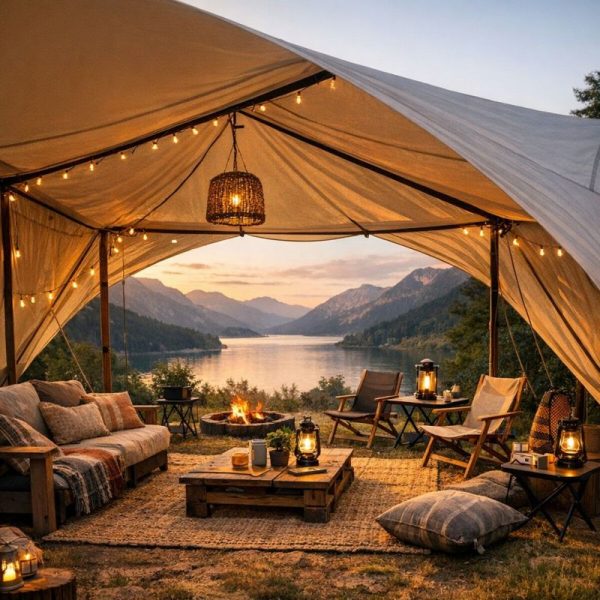
Selecting an open air tent involves more than picking a size or style. Different events demand different tent features, and your choice impacts both the guest experience and the logistics behind the scene. For outdoor festivals or fairs, an open air tent with wide side openings and high ventilation is crucial to maintain air flow and prevent heat buildup. On the other hand, corporate gatherings held outdoors might benefit from a model that allows attachment of promotional materials or screens easily, enabling branding and presentations.
Keep in mind the trade-offs between aesthetics and practicality. More elegant, canopy-style open air tents might be beautiful but can take longer to set up and require careful anchoring, especially in windy conditions. Simple, frame-style tents offer quicker installation but may lack the visual impact some clients expect. Planning for the specific nature and goals of your event will help you avoid investing in equipment that’s either overkill or underwhelming.
Managing Weather Challenges with Open Air Tents
One of the biggest concerns with outdoor setups is the unpredictability of weather. An open air tent must provide enough shelter without compromising the openness that draws people outside in the first place. Lightweight, waterproof fabrics help keep the area dry during sudden showers, but if your event needs to go on no matter the weather, consider tents with optional sidewalls or partial enclosures. These can be attached or removed depending on conditions and maintain flexibility.
Wind is another major challenge. While open air tents are designed to allow air circulation, their large surface area can act like a sail, creating stability problems. Proper anchoring isn’t optional—it’s a necessity. Use heavy-duty stakes, sandbags, or water barrels depending on the terrain. Standard tent feet might not hold up in softer ground or gravel, so prepare your equipment list accordingly. Overestimating the size and weight of tent components might seem like extra cost, but it pays off in safety and uninterrupted operation.
Balancing Portability and Durability
Event planners often face the choice between tents that are easy to transport and those built to last multiple seasons. Open air tents with aluminum frames tend to be lighter but sometimes sacrifice robustness when compared to steel frames. If you’re shipping tents to different venues or need quick assembly and disassembly, a lighter model can save labor and transportation costs.
However, durability still matters. Frequent exposure to the elements, repeated installations, and high foot traffic near the tent’s edges can cause wear and tear quickly. Ensure the fabric is high-quality, UV-resistant, and treated for mildew. Check that the frame joints aren’t prone to bending or loosening. Sometimes the best choice is a tent that weighs a bit more but reduces maintenance headaches down the road. Testing one or two models before committing to a large purchase can reveal unexpected weaknesses in certain designs.
Integrating Open Air Tents with Other Event Infrastructure
An open air tent rarely stands alone. It’s part of a bigger setup including stages, food vendors, seating areas, or lighting rigs. When planning, consider how your tent fits with these elements. For example, placing tents near light poles or electrical hookups is easier when the tent design includes access points or grommets for running cables safely.
Look for modular tents that allow extensions or connections to other tents without gaps. Using multiple smaller tents can sometimes offer more flexibility than one large one, especially when navigating uneven grounds or restricted spaces. This approach also helps mitigate wind pressure by breaking the surface area into smaller segments.
Pay close attention to the flooring beneath the tent. Grass or dirt surfaces can get muddy, while hard surfaces might require additional mats or platforms. The type of tent you pick will influence what flooring solutions are compatible and how quickly the setup can be completed.
Calculating Space Needs Beyond the Tent Footprint
Often, the raw size of the open air tent is the first specification buyers check, but the usable space inside is what really matters. Consider the layout for tables, stages, equipment, walkways, and emergency exits. Oversizing might seem wasteful but leaving too little room causes cramped environments, safety issues, and frustrated attendees.
Consider headroom too; some tents have sloped or low-hanging parts that reduce standing or hanging equipment space. Think about loading and unloading logistics so workers can easily move gear without damaging the tent or tripping over guy lines.
If events involve food stalls or merchandise, allowances for power, ventilation, and customer flow also shape how much tent space you need and where to locate it on site. Sometimes renting extra storage tents nearby reduces clutter and frees up main tent space for visitors.
Making Setup and Maintenance Practical
Behind every successful event is a team that can install and maintain the open air tent efficiently, often under tight time constraints. Choose tents with straightforward assembly instructions, clear labeling, and minimal loose parts to speed up erection and breakdown.
Consider accessories that assist the process. Carry bags with wheels, color-coded poles, or quick-release clips save precious minutes. Evaluate if your team will handle repairs on site or if the tent needs to be returned to the supplier for maintenance. Durable fabrics that resist tearing or fading lower ongoing costs.
Cleaning is another factor. Tents exposed to dirt, pollen, or food can become unsightly fast. Quick-drying materials or easily removable panels simplify cleaning routines, reducing downtime between back-to-back events.
Selecting the right open air tent goes beyond initial impressions. It’s about fitting practical demands on location, weather, setup, and overall event flow—ensuring that the tent supports your event without becoming its biggest challenge.


