
Table of Contents
Balancing Space and Convenience in Car Tent Camping Setups
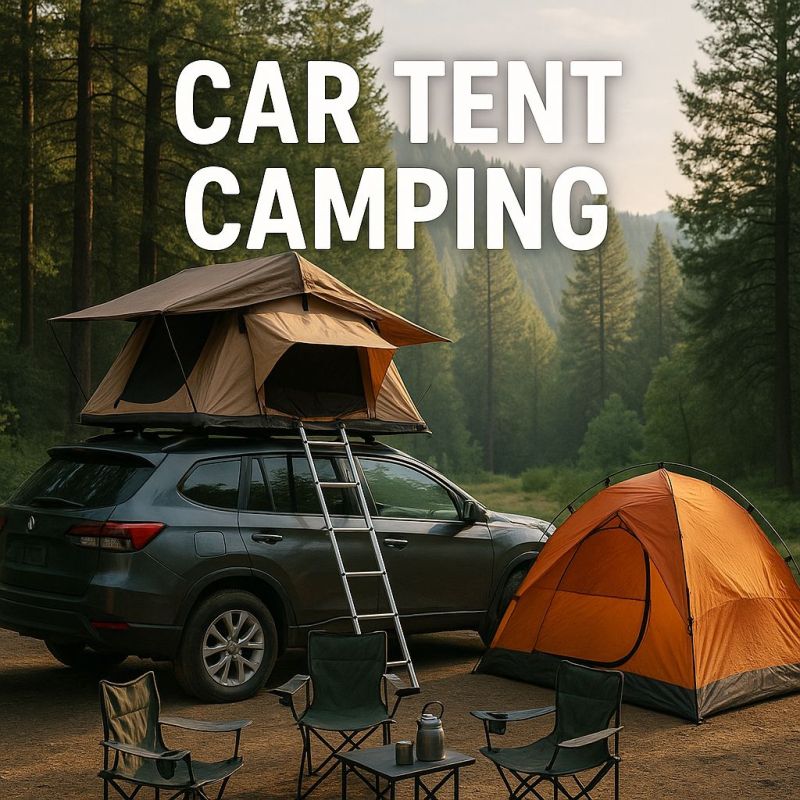
Choosing the right car tent for an event requires understanding how much space you really need versus what your vehicle can accommodate. Car tent camping setups vary widely—from small awnings that simply attach to the rear of an SUV, to larger pop-up tents that extend around multiple sides of the vehicle. Each style offers different benefits, but also demands trade-offs in terms of setup time, storage space, and vehicle compatibility.
For example, smaller tents are great for quick stops or overnight stays but may not provide enough covered space for group events or equipment storage. Larger models add room for both people and gear but can be bulky and harder to transport, requiring more vehicle roof space or extra racks. It’s common for planners to underestimate how much room the tent will actually occupy once installed—considering overhangs, guy lines, and the area around the car is essential.
Durability and weather resistance are also linked to the tent’s size and weight. Larger canopies tend to have heavier poles and fabrics, which can withstand stronger winds, but may need additional anchoring systems—something that’s often overlooked until the wind picks up. When advising clients, it’s best to assess anticipated conditions and fit the tent size accordingly rather than opting for the biggest option by default.
Handling Vehicle Variability When Planning Car Tent Camping Events
Not all vehicles are equal when it comes to car tent camping. SUVs, pickup trucks, vans, and hatchbacks each present unique challenges and opportunities for tent attachment. The shape and height of the vehicle, roof type (bare metal vs. with racks), and even rear door style matter greatly for setup choices.
Pickup trucks, for instance, offer flat beds that can double as tent bases but require different mounting hardware than an SUV with a sloping roofline. Vans might allow for full enclosure tents connecting to the back, offering a large sheltered area, but there may be clearance issues with awnings and risk of abrasion on paintwork if the tent frame rubs against curved surfaces.
Event planners often overlook these vehicle-specific details during logistics planning, leading to last-minute adjustments or fallback solutions like separate standalone tents. It’s helpful to keep a checklist of common vehicle types and compatible tent models to streamline decisions early on, especially when coordinating multiple guests or rental fleets.
Whether the client’s goal is quick roadside shelter or a fully enclosed space for equipment, vehicle compatibility must be front and center. Matching tent design to the car’s dimensions and mounting points avoids hassle on site and prevents damage to both tent and vehicle.
Managing Setup and Breakdown Time in Busy Event Schedules
For professional buyers and event planners juggling tight schedules, the time investment needed to erect car tents is a real consideration. Some tents snap up quickly with simple clips and poles, while others require multiple people and more elaborate rigs.
A folding car tent might take just a few minutes, perfect for a pop-up vendor stand or brief roadside breaks. But larger units with adjustable frames and extra anchoring can add significant setup and breakdown time, often underestimated in the early planning stages.
Weather conditions affect this as well. Rain, wind, or heat can extend setup time, so tents designed with intuitive locking mechanisms or color-coded poles help simplify the process. Training crews on the specifics of each tent system pays dividends, reducing errors and frustration.
Budgeting time properly means accounting for contingencies. If the event site has limited room for staging or requires tents to be taken down quickly between usage periods, choosing simpler or lighter car tent camping products can avoid bottlenecks in the event flow.
Weatherproofing and Ventilation Trade-offs for Car Tent Camping
Weather is the unpredictable factor that makes or breaks the utility of car tent camping gear. Protection against rain and sun is crucial, but good ventilation prevents discomfort in heat and limits condensation buildup inside the tent.
Heavy-duty fabrics with waterproof coatings help ensure that rain stays out during long intervals, but denser materials can reduce airflow. That means tent designs incorporating adjustable vents or mesh panels are preferable for balancing protection with breathability.
In cooler climates, fully enclosed tents trap heat but may need integrated openings or doors to avoid stuffiness, especially if used overnight. Some car tents offer modular panels that can be zipped or rolled up, enabling quick adaptation as temperatures fluctuate during the day or night.
Wind presents another challenge. High winds can strain tent poles and fly sheets, especially for larger models. Adding guylines and secure anchoring points is essential, but this takes extra time and effort, and not all event sites permit heavy stakes or anchoring.
Choosing the right tent means understanding the typical climate the event will experience and prioritizing features accordingly, rather than selecting solely based on aesthetic or size.
Storage and Portability Considerations for Repeated Event Use
Event planners and distributors who frequently supply car tent camping equipment face ongoing challenges related to storage and transport. Large, bulky tents that seem ideal at first can quickly become cumbersome when folded into carry bags or stored alongside other gear.
Space-saving designs and lightweight materials reduce strain on logistics teams and vehicle cargo space. Many solutions now feature compact folding mechanisms that fit in single bags with organized compartments, improving transportability.
But these compact tents sometimes sacrifice durability or space for equipment and attendees. It’s a balancing act—planners need to evaluate how often the tent will be used, how far it must be transported, and whether rapid redeployment or maximum shelter size is the priority.
Routine maintenance is another practical concern. Frequent setup and breakdown cycles expose fabric and hardware to wear and tear, so having spare parts on hand and choosing models with replaceable components extends the tent’s lifespan.
Organizing tents with clear labeling and quick-access packaging helps teams find the right units fast during events, preventing downtime and mix-ups.
Integrating Lighting and Accessories for Functional Car Tent Camping Spaces
Once the tent is up, ensuring the space is usable and safe throughout event hours matters. Lighting integration is often overlooked but hugely improves functionality, especially for late afternoon or evening setups.
Many car tents come with options for attaching battery-powered LED strips or hooks for lamps, allowing hands-free illumination. Wiring needs careful planning to avoid tripping hazards, especially if tents are placed in high-traffic areas.
Additional accessories like sidewalls, flooring mats, and storage pockets customize the shelter to specific event needs. Sidewalls add privacy and weather protection but can reduce airflow and increase heat inside the tent if not ventilated properly.
Design should always consider how the tent fits into the broader event environment, including proximity to power sources, pathways for guest movement, and compatibility with other equipment like tables or display stands.
Attending to these practical details ensures car tent camping setups truly support the event’s goals rather than simply providing shelter.


