
Table of Contents
Air Tent Inflatable Camping Outdoor Setup for Your Event
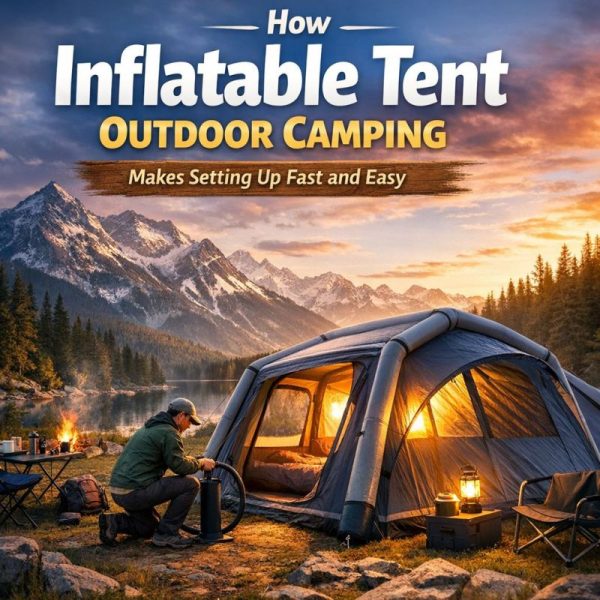
Picking an air tent inflatable camping outdoor option isn’t as straightforward as grabbing the first model you see. There’s a wide range of styles, sizes, and quality levels, each suited to different environments and user needs. For example, the material thickness and valve design can dramatically affect setup time and durability. When you’re supplying event planners or outdoor distributors, understanding these subtle differences can save headaches down the road.
Typically, thicker PVC coatings translate to better puncture resistance, but they also add weight. For most outdoor campaigns, a balance needs to be struck—something rugged but still manageable for transport and quick assembly. The quality of the inflation valves is another factor. Cheap valves leak or get stuck, which isn’t acceptable if the tent is part of a multi-day event or a booking where reliability matters.
Balancing Portability and Durability in Air Tents
One common challenge is finding that sweet spot between portability and robustness. Air tent inflatable camping outdoor units designed for easy transport usually sacrifice some durability. Very light models may be fine for weekend campers but fall short in prolonged outdoor use or professional settings. On the other hand, ultra-durable options often come with heavy-duty frames and thicker materials, which can be cumbersome to move around.
In professional environments where setup crews might be tight on time and staff, the ability to carry and deploy the tent quickly is crucial. Some clients insist on tents that a two-person team can pitch under five minutes, even in less-than-ideal weather. This pushes manufacturers to innovate around valve efficiency and integrated air tubes while keeping material weight down.
It’s important to communicate these trade-offs clearly with event planners, so their expectations match the product’s capabilities. For instance, a tent that weighs 15 to 20 kg is easier to handle but might not withstand strong winds, while a 30+ kg tent can take more abuse but complicate logistics.
Weather Conditions and the Impact on Tent Selection
Outdoor events rarely run in perfect weather, which means air tents must perform well under varying conditions. Wind resistance, rainproofing, and UV protection often top the checklist, but they can’t be considered individually. For example, some air tent inflatable camping outdoor models come with extra anchoring points and reinforced seams to resist gusts, but if the materials don’t breathe or promote water runoff, rain can pool and cause issues.
Planning for unpredictable weather involves not just looking at the tent, but also how it matches with ground stakes, guy ropes, and additional covers. For wet environments, tents with a high hydrostatic head rating perform better, but again, these may add weight and reduce packability. On windy sites, inflatable beams can flex under pressure, so the design and inflation pressure tolerances become critical.
There’s also the factor of UV exposure—certain coated fabrics hold up longer and prevent color fading, making the tent last through multiple seasons.
Ease of Maintenance and Storage in Professional Use
Over several events, easy maintenance can make or break your confidence in a particular air tent inflatable camping outdoor model. After heavy use, tents often require quick wipe-downs, repairs to seams, or valve replacements. Products with modular components and accessible repair kits tend to be favored by distributors and rental companies.
Storage space is another underappreciated aspect. Inflatable tents typically fold down smaller than their rigid counterparts, but the level of deflation required and the packed size vary a lot. Some tents come with custom bags featuring separate compartments for pumps, stakes, and repair tools, making them convenient for event professionals who manage large inventories and multiple sites.
Durability of storage materials is important too. Thin, weak bags can rip easily, damaging your investment.
Integrating Custom Branding with Air Tent Structures
Event planners often want an air tent inflatable camping outdoor unit to double as a high-impact branding platform. Applying logos, colors, or promotional messages isn’t just a nice add-on; it influences choice of fabric and printing methods. Some materials lend themselves better to digital printing or heat transfer, while others can only accommodate vinyl patches, which might look less seamless.
When specifying tents for clients intending heavy branding, consider how printing might affect the fabric’s weather resistance or flexibility. Excessive coatings can weaken inflation seams or reduce breathability, creating condensation inside. Also, custom graphics might add extra weight or cause uneven sun exposure on the tent’s surface.
Working with manufacturers who understand these limitations and offer advice helps prevent costly mistakes in the field. It is also helpful to know turnaround times and minimum order quantities for custom-printed air tents, which can vary widely.
Assessing Rental Versus Purchase Options for Event Use
For companies sourcing air tent inflatable camping outdoor gear, deciding between renting or buying can depend on event frequency, budget, and storage capability. Frequent users might benefit from owning a few high-quality tents, while occasional or one-off events may lean towards rentals to conserve capital and avoid storage hassles.
Rental tents typically need to be highly durable with replaceable parts, since they pass through many hands. Expect wear-and-tear repairs and factor replacement costs into the budget. Less expensive, lighter models might be suitable for rentals, but cheap materials can cause more downtime with repairs.
Ownership allows customization—such as branding mentioned earlier—and greater control over deployment schedules. But storing bulky tents and maintaining them can become a logistic challenge, especially if event venues vary.
The decision often comes down to frequency versus flexibility. Understanding the long-term costs and operational needs ensures clients invest wisely and avoid surprises.
Navigating the practical considerations around air tent inflatable camping outdoor products requires attentiveness to material specs, event logistics, weather conditions, maintenance routines, branding requirements, and financial strategies. Supplying buyers and planners with straightforward insights on these trade-offs helps arm them for success, whether outfitting a small outdoor fair or a large-scale festival.


