
Table of Contents
Inflatable Wedding Tent for Outdoor Events
Selecting an inflatable wedding tent involves more than just picking a visually appealing design. For event planners and distributors, understanding how these tents perform under different weather conditions and how they integrate with other event elements is critical. Inflatable tents offer quick setup and a unique look, but you have to consider factors like material durability and anchoring systems, especially when the venue is an open field or a rooftop.
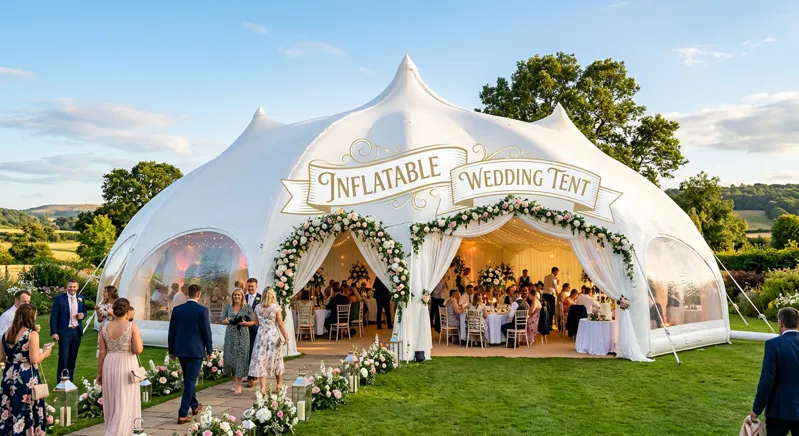
One key consideration is the type of material used. PVC-coated fabrics stand up well to wind and rain but can add weight, which affects transportation and setup time. Lighter nylon might be easier to handle but could sacrifice resistance to adverse weather. The frame, which in an inflatable tent is the air structure, must maintain constant pressure to keep the tent erect. In practice, this means backup power or integrated battery systems are often necessary for longer events. If the blower fails, the tent can lose shape easily, posing safety risks.
Ventilation is another factor that often gets overlooked. Inflatable wedding tents can trap heat quickly because of the airtight materials, especially under sunlight. Planning for ventilation openings or complementary cooling systems can improve guest comfort. This sometimes means pairing the inflatable tent with temporary HVAC solutions, which can increase the overall budget but is worth it for larger or daytime receptions.
How Setup and Transportation Influence Your Choice
When deciding to include an inflatable wedding tent for an event, think about the logistics beyond the show-day glamour. These tents can pack down into relatively compact forms compared to traditional pole or frame tents, which is a big advantage for limited storage space and transport logistics. However, the need for a continuous power source to keep them inflated changes the dynamics.
If you’re distributing these tents to various venues, the weight might not be your biggest concern; it’s more about ensuring your clients or crew understand the setup requirements. Unlike conventional tents, inflatable models need skilled handling to avoid punctures or damage during inflation. Knowing whether you have access to consistent electricity or a generator in the setting really determines what size and type of blower system to plan for.
The flexibility of inflatable tents allows for some creative applications—some can have clear panels or custom-printed walls, but adding these features influences the weight and inflation time. For situations where rapid deployment matters, such as last-minute bookings, choosing models that prioritize ease of inflation rather than extra decorative elements might be more practical.
Managing Weather and Ground Conditions on Event Sites
Though inflatable wedding tents handle mild wind or rain reasonably well, they aren’t impervious to every outdoor condition. If planning an event on a rocky or uneven surface, securing the tent can be tricky since anchoring points might not be optimal. Some suppliers add heavy internal ballast bags, but these add complexity to setup and teardown.
Wind is something that event planners typically keep an eye on, but inflatable tents are sensitive in ways traditional ones may not be. Their soft, air-filled walls can catch wind like sails. Running events in locations with unpredictable weather means having a backup plan or using windbreak panels to reduce the effect. Unfortunately, these solutions often mean extra labor and cost, so it’s about deciding the balance between risk and convenience.
Rain can stain or leak through certain inflatable materials if not properly coated or maintained. Cleanliness is an ongoing issue; mud can stick to the tent’s exterior in outdoor settings, and inflatable walls are usually harder to clean than fabric-based alternatives. Regular maintenance and quick site cleanup can help extend the lifespan and appearance of your tents but factor the effort into your scheduling.
Customization and Brand Visibility in Inflatable Wedding Tents
One of the more attractive features of inflatable wedding tents is how they can be customized for branding or to match the event’s style. Printing logos or wedding motifs directly on the inflatable surface catches attention better than traditional banners or signage. However, these customizations come with some caveats.
The printable surface area is limited and often needs a flat or gently curved section to avoid distortion. Highly detailed graphics might lose clarity on the flexible materials. Also, every print weakens the material’s structural integrity slightly and might require reinforcement in those areas.
Clients looking for bespoke colors or branded messaging should expect a longer lead time and slightly higher costs. Some suppliers require minimum order quantities for customized tents, which can be a hurdle for smaller event planners. From experience, it’s better to plan these customizations well ahead rather than attempt quick rebranding on-site, which usually isn’t feasible.
Staffing and Training to Handle Inflatable Wedding Tents
Although inflatable tents simplify some aspects of event setup, they demand a unique type of training. Teams accustomed to traditional frames may struggle initially with inflation procedures, safety checks, and pressure monitoring. Many accidents or failures come from improper inflation levels, which can lead to structural collapse.
Providing proper training for the setup crew is essential—this includes understanding the blower system operation, emergency deflation protocols, and basic patch repair techniques. Even small punctures can force an early teardown if mishandled. Distributors who supply these tents often recommend including a repair kit and spare parts as standard with each unit.
Having a designated person responsible for monitoring the tent’s inflation pressure during the event is a sound practice. This role is rarely necessary with traditional tents but vital in inflatable models. It’s also good to have a rapid response plan for unplanned power outages or extreme weather shifts affecting air pressure. The extra effort on training pays off in smoother events and reduced risk of disruption.
Navigating Regulatory and Safety Compliance
Event planners and rental companies know how critical compliance is, and inflatable wedding tents introduce some specific considerations. Fire retardancy standards vary between regions and materials used in these tents may or may not meet local codes out of the box. Always verify with your tent supplier about certifications and test results for flame resistance.
Emergency exits and ingress points must not be obstructed and should be clearly marked. Some inflatable tents have fewer access points, which can complicate evacuation plans. Considering the number of guests and designing the tent layout accordingly ensures safer environments.
Insurance policies may have clauses that affect coverage when using inflatable structures, so checking your policy early in the planning stage is prudent. In some cases, additional liability coverage may be required. Knowing what your venue requires in terms of safety inspections and permits can avoid last-minute headaches and cancellations.
Choosing the right inflatable wedding tent in line with safety and regulatory requirements makes a significant difference between a seamless event and compliance issues. Being proactive on this front sets professional buyers and event planners apart.
This practical insight into inflatable wedding tents aims to help you navigate real challenges and make better-informed decisions for your events. Understanding the trade-offs and operational realities leads to smoother deployments and greater client satisfaction.


