
Table of Contents
Inflatable Event Tent
One of the trickiest parts of selecting an inflatable event tent is getting the size right. Every event has a different feel, from intimate networking mixers to large trade shows, and the tent needs to match that scale reasonably. It’s tempting just to pick the biggest option available, but overly spacious tents can feel empty and reduce the impact of your setup. On the flip side, undersized tents make attendees uncomfortable, especially when you factor in extra equipment like tables, displays, or catering stations.
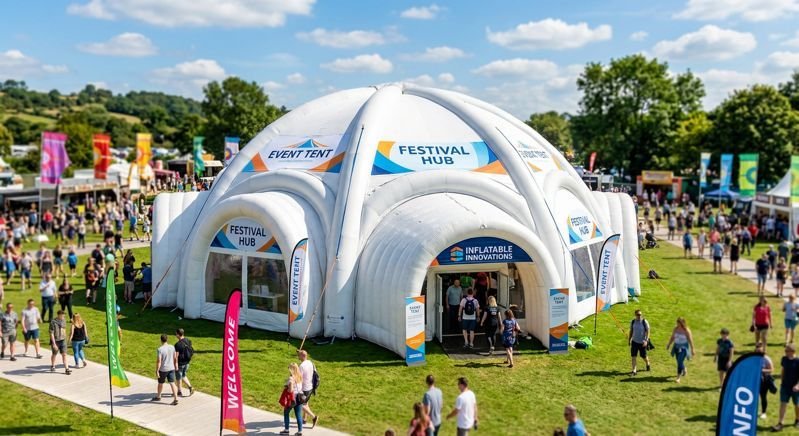
A good rule of thumb is to carefully measure your core activities and expected foot traffic inside the tent’s footprint. Don’t forget to consider ancillary space for staff movement and emergency exits. For instance, if you anticipate using branded counters or interactive displays, allocate additional space around them. The flexibility of inflatable tents means you can usually find sizes suiting a wide range of event formats, but confirming with the supplier the exact internal measurements and ceiling height is essential to avoid surprises when you arrive onsite.
Balancing Setup Speed with Durability
Inflatable event tents are prized for their fast setup compared to traditional frame tents. You can take a dozen people several hours to assemble a frame tent, but with the right inflatable model, one or two trained staff can get things up in 15–30 minutes. That speed can be a game-changer when you have tight schedules or unpredictable weather conditions.
However, there’s often a trade-off to consider. Lighter materials help keep inflation quick and handling easy, but they might compromise the tent’s durability over time, especially under frequent use or harsh outdoor environments. Heavy-duty PVC or reinforced fabrics add weight and extend setup slightly but deliver more resistance to wear and tear, UV exposure, and punctures.
Knowing your event’s expected lifecycle and exposure helps guide the decision. If you’re renting out tents regularly or using them for weekend festival seasons, investing in durability can save headaches down the line. For one-off indoor events, going for lighter, quicker options often makes more sense.
Customization and Branding Opportunities
Branded inflatable event tents stand out instantly and draw people’s attention better than plain white or beige canopies. One of the biggest benefits we see for professional buyers is how versatile inflatable tents are as promotional tools.
You can print full-color logos, taglines, patterns, or sponsor names directly onto the tent fabric. The large, smooth surfaces created by inflatable beams or arches offer ideal spaces for instruction, directions, or event messaging. But consider the tent design carefully—structures with multiple inflatable sections or curves might require more complex graphic placement and can affect how the artwork appears once the tent is inflated.
Keep in mind production lead times for customized tents are longer than for stock options, especially if you want high-quality digital printing. Also, customized tents tend to be a bigger upfront investment. For distributors and event planners who frequently attend festivals or corporate roadshows, a custom inflatable tent serves as a memorable marketing asset, but for one-time use, standard colors and simpler branding might work better.
Handling Weather Challenges in Outdoor Settings
Inflatable event tents may look lightweight and ephemeral, but when properly chosen and anchored, they can handle a surprising variety of weather situations. Still, it’s critical to clearly understand the limitations and necessary precautions to keep everyone safe and protected.
Wind is usually the biggest concern. Unlike traditional tents that use rigid metal frames, inflatable tents depend on the air pressure inside the beams and precise anchoring systems. Manufacturers often specify a maximum wind rating—say, 25 or 30 mph—which should guide any outdoor use. We’ve seen clients try to push beyond recommended limits, only to face damaged tents or dangerous collapse risks.
Securing the tent properly means using ground stakes, sandbags, or ballast weights depending on your surface, whether it’s grass, concrete, or asphalt. Always inspect the anchor points and make sure inflation units operate smoothly during the event to maintain pressure. Rain resistance is generally good, but steep roof angles help prevent water pooling, which can be an issue with flatter inflatable structures.
Storage, Maintenance, and Transport Realities
After the event ends, how you manage your inflatable event tent affects its longevity and future usability. Unlike rigid tents, these require deflation, careful folding, and cleaning before storage. Moisture trapped inside or dirt left on the fabric can lead to mold, discoloration, or material degradation.
Many buyers underestimate the space needed to store an inflated tent when down. These tents don’t fold down into compact bundles like poles; they tend to be bulky, so having a dedicated storage area with enough room is crucial. Also, transport considerations matter. Even deflated, some of the heavier-duty inflatable tents may need a van or small truck, rather than a personal car, especially if you have multiple units.
We always advise setting up a regular inspection routine. Check for minor punctures, fabric tears, or zipper damage before and after use. Repair kits often come with tents, and addressing issues early prevents more costly replacements. Inflatable event tents are an investment that pays off well when cared for properly, but neglect accelerates wear more than you might expect.
This overview reflects the practical trade-offs and real-world decisions involved in using an inflatable event tent. Experienced buyers recognize there’s no one-size-fits-all choice but arming yourself with clear expectations on size, setup, branding, weather handling, and post-use care makes a big difference in smooth event delivery.


