
Table of Contents
Selecting the Right Promotion Inflatable Tent for Different Event Spaces
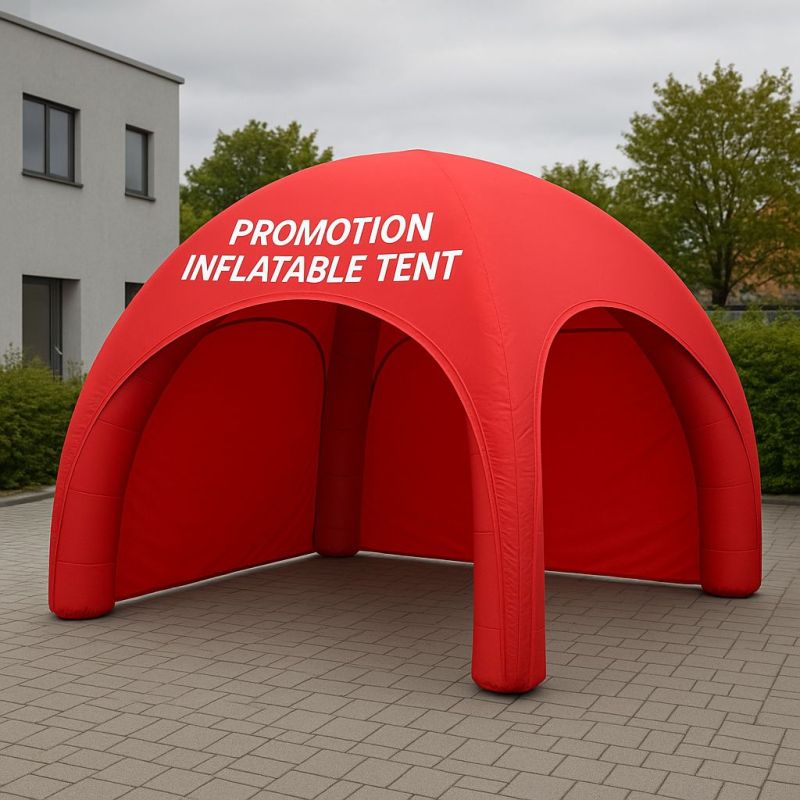
Choosing a promotion inflatable tent that fits your event venue can be trickier than it seems. Outdoor locations vary wildly, and a crowded urban plaza demands something quite different from a sprawling park or a festival ground. The main challenge is understanding the footprint and height restrictions of your space. Inflatable tents come in various sizes and shapes, but not every design works in every situation.
For tight city spaces, a compact, low-profile inflatable tent might be all you can squeeze in without blocking walkways or fire exits. These smaller tents still offer visual impact without overwhelming the surroundings. On the flip side, large open fields can handle bigger and taller inflatables that maximize branding and visibility from a distance. Just keep in mind that bigger tents often require additional anchoring and more substantial blowers, which could affect setup time and power needs.
It’s important to confirm the ground surface as well. Grass softens stakes, making anchoring easier but potentially less secure if the ground is too wet or loose. Hard pavements need weighted ballast systems since stakes won’t penetrate. Weight options range from water barrels to sandbags, and choosing the right method is crucial to prevent your tent from shifting or collapsing in gusty wind.
Balancing Portability and Durability for Frequent Use
A promotion inflatable tent designed for frequent setup and teardown must strike a balance between being lightweight and durable. Often, buyers face the dilemma of a heavy-duty inflatable that promises longevity but weighs a ton—or a lightweight model that’s easier to transport but risks wear and tear more quickly.
Materials are key here: most tents are constructed from PVC or nylon composites coated for UV and water resistance. PVC tends to be more durable but heavier, whereas nylon is lighter but needs extra coatings to handle rough outdoor conditions. The type of seams and zippers also affect long-term reliability. Reinforced seams and high-quality zippers may add weight, but they prevent split seams and zipper failures during use.
Portability isn’t just about weight, either. Consider the design of the tent’s blower system. Integrated blowers make inflation seamless but can add bulk and weight, while external blowers simplify maintenance and replacement but may add to noise and cable clutter. If you’re shipping equipment regularly, assess how the tent folds and what kind of carrying case or storage bag it comes with. A tent that packs unevenly or gets tangled during packing will cost you time and patience.
Custom Branding versus Reusability: What’s Worth the Investment?
Branding is the main reason buyers opt for promotion inflatable tents, yet customization comes with some tough trade-offs. Fully custom-printed inflatables deliver powerful visual impact but limit flexibility for future events since the graphics are permanent. If you frequently switch campaigns or clients, an inflatable with interchangeable graphics or large blank panels might be wiser.
Printing methods affect durability too. Digital printing offers vivid colors but can fade faster under direct sunlight. Screen printing tends to last longer but might restrict the color palette and detail level. For smaller runs or one-off events, dye-sublimation printing provides excellent detail and durability but usually costs more upfront.
Reusable tents with detachable branding components—like banner sleeves or Velcro-attached panels—offer a good middle ground. They reduce the need for multiple tents and save storage space but add setup complexity because each element must be aligned properly and secured. You’ll need to train your team on applying and removing graphics so they don’t suffer wear from repeated handling.
Tackling Weather Challenges with Promotion Inflatable Tents
Weather is always a wildcard, and using promotion inflatable tents outdoors means accepting some limitations. While most tents are water-resistant and handle light rain adequately, downpours and strong winds create real risks.
Wind ratings and stability specs matter most. If your supplier doesn’t provide a maximum wind speed, ask directly. Many inflatable tents are designed for winds up to 20–25 mph but no more. Anything stronger requires additional ballast or alternative structural supports. Tents also behave differently depending on shape; rounded designs typically handle gusts better than boxy shapes, which may catch wind like sails.
Rain brings other concerns—pooled water can add weight and strain, deforming the tent if drainage isn’t thought through. Some inflatables feature built-in gutters or angled peak designs to encourage runoff. You may still want to stage rain covers or tarps over the tent during longer wet spells.
Cold weather causes its own challenges. PVC and nylon materials stiffen, risking cracks during inflation or deflation if temperatures drop sharply. It’s rare to operate inflatable tents in freezing conditions without issues, so check material certificates and manufacturer recommendations before planning winter events.
Managing Power and Setup Time on the Road
Setups are often rushed, and promotion inflatable tents depend on powered blowers that add logistical considerations. Events without reliable power sources require portable options—battery-powered blowers exist but offer limited run times and less inflation pressure.
Power consumption varies, but a typical continuous inflator can need anywhere from 600 to 1500 watts, depending on tent size. Any extension cords must be rated for outdoor use and heavy current loads. Planning multiple tents multiplies power needs rapidly and influences event layout decisions.
Setup time includes more than just inflation. Attaching graphics, securing anchors, routing power, and ensuring inflation tubes don’t kink or get pinched all take precious minutes. Experienced crews develop checklists and practice packing methods to avoid common pitfalls. A promotion inflatable tent that pops up quickly and effortlessly can save hours across event days.
Finding the right place to stage inflatables before and during events helps too. Tents often need gentle handling to avoid punctures and repairs, so rolling on tarps and avoiding rough surfaces pays off. Keep repair kits handy, including patches matched to the tent’s material and spare blower parts, so small issues don’t derail the event.
Choosing the Best Supplier for Long-Term Success
While price and lead times always matter, selecting a supplier is about more than just cost. Your inflatable tent’s lifespan depends heavily on build quality and after-sale support. Some manufacturers offer extended warranties, repair services, or replacement components that keep inflatables in operation for years.
Communicate clearly about your typical event environments and expected usage levels. Suppliers who specialize in professional-grade promotions equipment will help you choose models and accessories tuned to your workflow, rather than just pushing stock items. They often provide valuable insights into setup techniques and common issues encountered by other clients.
Request samples or visit trade shows where you can inspect materials firsthand to understand feel and thickness. Photos and spec sheets only tell part of the story; seeing tents in person reveals the difference between lightweight marketing props and serious event gear built to handle repeated wear.
Ultimately, your inflatable tent is an investment in brand presence and operational efficiency. Making well-informed decisions based on real-world conditions helps avoid surprises and maximizes the value of your promotion inflatable tent over time.


