
Table of Contents
Large Inflatable Tent
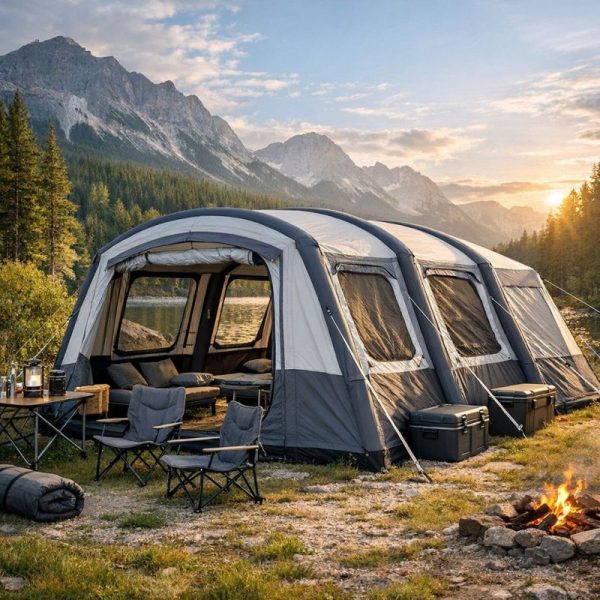
Choosing a large inflatable tent isn’t just about finding something that fits your event space—it’s about making sure the structure matches the nature and flow of your event. For events expecting a large footfall, you might be tempted to go for the biggest tent available. But sizing isn’t always straightforward. Beyond square footage, consider ceiling height and entrance width, especially if you need to accommodate equipment or displays. Keep in mind, a tents’ shape also affects crowd movement. Rounded or dome-shaped tents offer a more fluid circulation but can reduce usable wall space for branding or shelving.
Some planners overlook how these tents set up on uneven surfaces. Inflatable tents generally need flat ground for proper inflation and stability. If your event site has slight slopes or uneven terrain, you’ll need to factor in extra anchoring or site prep, which can influence your choice. Rectangular tents may better fit narrow spaces, whereas domes excel in open-air venues with fewer spatial constraints.
Managing Weather Concerns with a Large Inflatable Tent
One of the significant considerations with a large inflatable tent is how well it handles unpredictable weather, especially wind. Unlike traditional frame tents, inflatable tents rely on continuous air pressure and anchoring systems to maintain their shape. During high winds, those inflatable walls can act like sails, so you must confirm that the tent’s wind rating matches your venue conditions.
Rain can also pose challenges. While they generally come with waterproof fabric, pooling water can weigh down sections of the tent if drainage isn’t well planned. It helps to evaluate the tent’s ability to shed water and ensure that your site’s grading prevents runoff from collecting around the tent base. Also, keep in mind that damp or high-humidity environments might cause condensation inside, which can affect your displays or audio-visual gear.
Maintaining consistent inflation is critical during wet or cold conditions. Some inflatables come with heaters or enhanced insulation, but these add to the running cost and complexity. If your event’s location is prone to sudden weather changes, plan for backup systems or rapid deflation options to protect both the structure and attendees.
Transportation and Setup Practicalities of Large Inflatable Tents
Transporting a large inflatable tent isn’t as simple as hauling regular frame tents or marquees. The packed size and weight can be considerable, affecting your choice of transportation vehicle and the number of staff required on site. Experience shows tents over a certain size need forklifts or crane-like equipment to unload safely, which adds logistical steps.
Setup times may be quicker compared to traditional tents, but initial inflation still requires power sources and trained operators to pre-tension the fabric correctly. You should check if the venue has reliable access to electricity, or consider generators as backup. Storage conditions between uses are another practical concern. Inflatable tents need to be completely dry and packed correctly to avoid mold or damage, which speaks to long-term maintenance rather than one-off convenience.
The durability of the tent fabric and valves also impacts setup and teardown speed over multiple events. Worn or leaking inflatables reduce air retention and increase setup frustration. It’s worth budgeting for regular inspections and part replacements to avoid downtime.
Customization and Branding Opportunities with Large Inflatable Tents
Large inflatable tents offer some unique options when it comes to branding and customization, though these come with trade-offs. The smooth, continuous surfaces make excellent canvases for digitally printed graphics, which can cover walls or roofs entirely. This is perfect for creating a distinct event atmosphere or reinforcing sponsor visibility.
However, keep in mind the limitations of applying branding to inflatable surfaces. Printing affects the fabric flexibility and can impact inflation performance if not done professionally. Also, while branding is impactful for static events, tents that need frequent setup and teardown may suffer from peeling or fading graphics over time.
Integrating lighting or digital screens inside inflatable tents offers additional engagement, but the curved surfaces require creative mounting solutions. Many clients report challenges with hanging equipment safely without puncturing or stressing the inflatable fabric. Planning these elements early and involving tent specialists helps avoid last-minute issues.
Safety and Compliance Issues to Consider for Large Inflatable Tents
Safety standards for large inflatable tents vary by region, and professional buyers need to ensure compliance early in the procurement process. Fire retardancy of tent fabrics is critical—not just in theory, but based on real-world testing certifications. Many inflatables use PVC-coated fabrics, which meet regulatory fire codes, but sourcing non-certified materials may put your event at risk.
Another common safety concern is emergency exits. The flexible walls can limit visibility of exit signs, so installing luminous or backlit signage is often necessary. If your event anticipates a crowd, factor in the number and placement of exits to comply with local occupancy regulations.
Electrical safety often gets overlooked, especially with continuous fans or heaters integral to largest inflatable tents. Make sure all electrical components conform to standards and have safeguards against water ingress. Also, consider how the tent’s anchoring interacts with cables and tripping hazards on the floor.
Long-Term Cost Implications of Investing in Large Inflatable Tents
Some buyers view large inflatable tents as a cost-effective alternative to permanent or frame structures, particularly for repeat-use scenarios. While upfront costs might seem higher, the longer setup times and heavy maintenance on rigid tents can add up over multiple events.
On the flip side, inflatable tents require ongoing blower maintenance, electricity for inflation, and occasional fabric repairs that can surprise new users. The life expectancy of the fabric—and its resistance to UV, abrasion, and punctures—directly affects your return on investment.
If you plan to operate in harsh climates or carry the tent frequently, reinforcing common wear points adds cost but saves headache. Cleaning large inflatable tents after multiple outdoor uses also demands more labor and equipment than other tent types.
Balancing these factors means analyzing the typical event calendar, transport logistics, and storage capabilities before committing. Sometimes integrating a large inflatable tent with other outdoor infrastructure minimizes both costs and operational risks over time.


