
Table of Contents
Inflatable Floating Tent for Waterfront Events
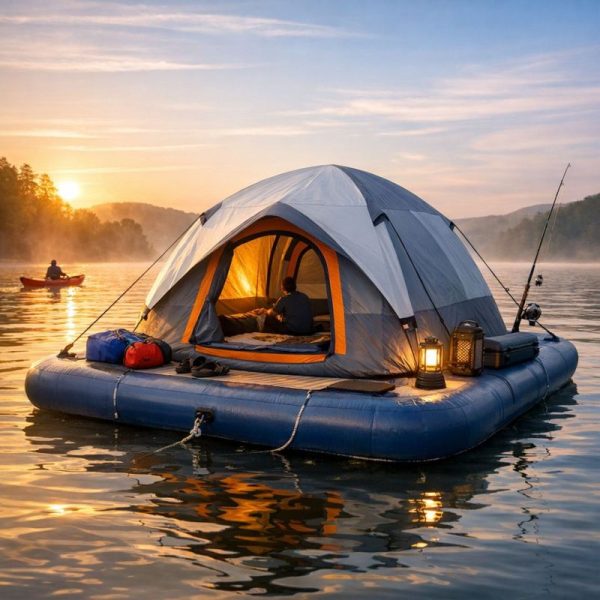
Organizing an event on the water brings unique challenges, and selecting an inflatable floating tent isn’t just about size or color. Stability is a core factor. Unlike land-based tents, floating tents must handle not only the weight of guests and equipment but also the movement of the water underneath. A flimsy base or poor design can lead to wobbling or even tipping, which can quickly turn a memorable gathering into a safety concern. It’s important to look for models with reinforced flotation chambers and a low center of gravity.
The materials used make a difference as well. Marine-grade PVC or heavy-duty TPU coatings are preferable since they resist punctures and UV damage while remaining flexible. Weight capacity and anchoring options also deserve attention—boats, docks, or shorelines where the tent will be set up may not allow for the same rigging as a land event, so compatibility with available hardware is key.
Weighing the Pros and Cons of Size and Capacity
Sizing an inflatable floating tent requires more than just counting heads. Capacity ratings often refer to seated guests, but if the event involves standing mingling, audiovisual equipment, food stations, or dancing, those numbers drop quickly. Overcrowding affects not only comfort but safety, as excess weight impacts buoyancy. This calls for a solid margin on capacity.
Larger tents tend to be more stable simply due to their footprint on the water, but they also require larger inflations and more storage space when deflated. Transport considerations could become a bottleneck if the tent needs to be shuttled between multiple locations. A bulky floating tent isn’t something you can easily toss into any vehicle.
Smaller tents are easier to handle and quick to deploy but might restrict the style or scale of an event. Sometimes the trade-off means opting for multiple small tents rather than a big central one, which can influence flow and guest interaction.
Durability and Maintenance: What to Expect Long-Term
Events on the water expose a tent to a mix of salt, sun, and moisture that accelerates wear. Although inflatable floating tents may seem low-maintenance due to their compact storage, upkeep needs to be part of the budget and logistics plan. After each use, thorough rinsing with fresh water helps prevent salt corrosion. Inspecting seams and valves for leaks before and after every event will prolong the life significantly.
Another complexity lies in patching. Even the sturdiest inflatable is vulnerable to punctures or abrasions. Fortunately, quality tents include repair kits, but it’s crucial to have trained staff or reliable instructions to carry out quick repairs onsite. Neglecting minor damages can cause bigger issues later and might end up in costly service downtime.
Handling and storage also impact durability. Inflatable tents should be dried completely before packing to avoid mold and mildew. Folding or rolling the tent incorrectly can stress seams or valves, so following manufacturer guidelines is indispensable for longevity.
Integrating Inflatable Floating Tents with Event Logistics
Setting up a floating tent involves more than inflating and anchoring. Consider how the tent fits into the broader event flow. Access points and pathways must accommodate movement from land or dock onto the floating platform without compromising stability or safety.
Power supply is often a headache for floating events. If lighting or sound systems are planned inside the tent, running cables requires careful routing and waterproofing. Portable battery packs and marine-rated extensions sometimes solve these issues but add weight and complexity. Confirming these details during the planning phase saves headaches on event day.
Weather unpredictability on water adds another layer of decision-making. Even with an inflatable floating tent’s flexibility, operators need a contingency plan for strong winds or storms that might require quick deflation and removal. Weather-resistant fabrics and quick-release anchoring systems help make this possible.
Balancing Budget with Quality and Features
Cost remains a sticking point in event procurement. Inflatable floating tents can be pricey due to their specialized construction and materials, but going cheap could mean limited durability or inadequate safety features. It’s tempting to prioritize upfront savings, but frequent repairs or replacements cut into that advantage.
On the other hand, higher-end tents might come with integrated lighting, modular designs for combining multiple units, or advanced anchoring systems—features that streamline event setup and improve experience but might be unnecessary for simpler needs.
Budget-conscious buyers often find middle ground by focusing on core performance and expanding capabilities through rental accessories or specialized staging gear. Understanding the real functional requirements ahead of purchase smooths this decision. Making an inventory of must-have features—such as capacity, stability, setup time, and weather resistance—helps clarify where splurging pays off versus where compromises won’t hurt.
Handling Transportation and Deployment Challenges
Moving an inflatable floating tent to various venues demands careful thinking behind the scenes. Their bulk, weight, and fragility in transport aren’t obvious until the first trip. If the tent’s packed in a way that stresses seams or inflators, it might arrive damaged or fail to inflate correctly.
Storage containers or padded bags designed for tent components reduce this risk and streamline unpacking. The logistics of moving these containers to docks or boats calls for coordinated handling. Having trained crew not just inflate but also move and anchor the tent makes the difference between a smooth or stressful setup.
Deployment time varies widely depending on model complexity. Simpler tents with fewer flotation chambers inflate faster but might trade off customization options. Testing the setup process in advance under similar conditions helps identify potential bottlenecks before the clock is ticking during an event.
Understanding these practicalities contributes to a better purchasing decision for inflatable floating tents and ultimately leads to successful, hassle-free waterfront experiences.


