
Table of Contents
Inflatable Chair for Baby’s Age and Size
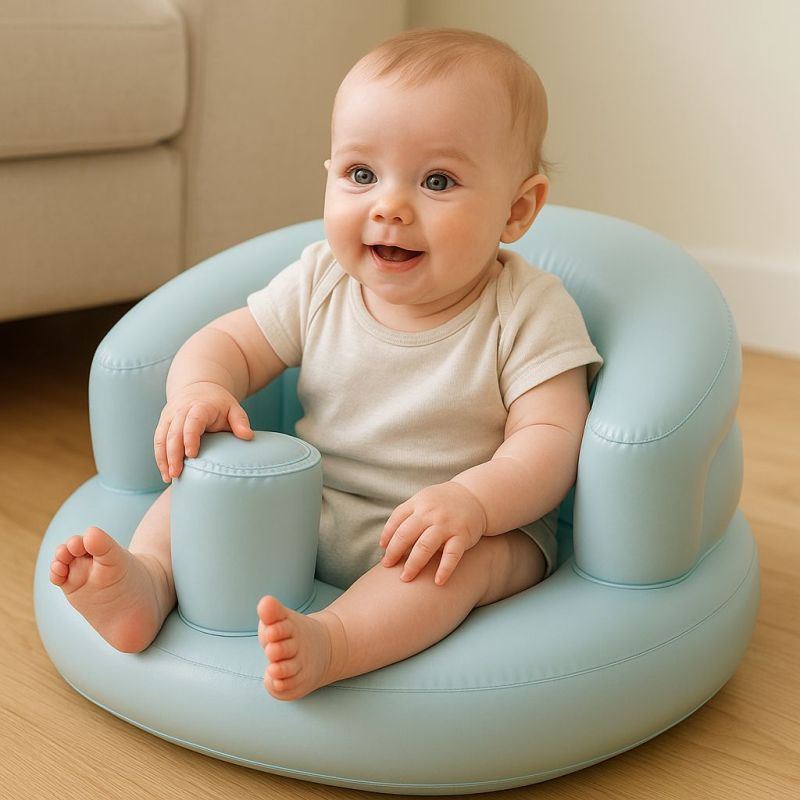
When selecting an inflatable chair for baby, one of the most practical factors buyers overlook is the fit based on the child’s age and size. Not every inflatable chair accommodates a wide range of baby body types comfortably. Some models are designed for newborns up to 12 months, while others extend usability into toddler years. If the chair doesn’t support the baby properly, it can lead to discomfort or safety concerns, which no event planner or distributor wants.
There’s also a trade-off between size and portability. Larger inflatable chairs offer more longevity since the baby can use them longer, but they occupy more space and require more air to inflate. For events where quick setup and lightweight transport are priorities, a compact chair that fits babies up to 18 months might be the smarter pick even if its lifespan is shorter. Matching the inflatable chair’s dimensions with expected baby sizes will save you time in returns and dissatisfaction.
Pay attention to the seating posture the inflatable chair encourages. Babies at different developmental stages need varying levels of support around the back, neck, and hips. Inflatable chairs with built-in headrests or elevated sides tend to provide better ergonomic support. However, those features add bulk and cost, so balancing comfort with practicality depends on the event’s budget and setup.
Understanding Material Choices and Durability for Frequent Use
Event planners often find that inflatable chairs for babies come in a range of materials with differing durability levels. While PVC is the most common due to its lightweight and waterproof nature, not all PVC grades are created equal. Thicker, reinforced PVC may stand up better to wear-and-tear, especially if the chair is used outdoors or subjected to rough surfaces, but it will add weight and inflate more slowly.
Some inflatable chairs feature a flocked surface or a soft outer fabric for added comfort. This feels better against a baby’s sensitive skin but can be harder to clean and might retain moisture, which could be a drawback for multi-use scenarios. When multiple babies use the same chair at events, hygiene becomes an important consideration. Selecting materials that resist stains and allow easy wiping without special cleaners tends to be a better option overall.
Expect inflation valves to vary in design and quality too. Simple valve systems speed up setup but may leak air faster. More secure valves can hold air for days without reinflation but may require more skill or time for proper sealing. For rental businesses or event managers facing tight schedules, the valve type can impact how smoothly the event progresses and whether staff need additional training to deal with equipment malfunction.
How Air Pressure Affects Stability and Comfort in Inflatable Chairs
An aspect many buyers don’t account for enough is how air pressure impacts the chair’s performance. Overinflation can create a rigid seat that feels uncomfortable or even unsafe by limiting the chair’s ability to absorb movement. On the flip side, underinflated chairs may sag excessively, reducing support and potentially increasing the risk of tipping.
For babies, who need stable seating that helps prevent accidental falls, the ideal firmness sits somewhere in between. Event teams often discover through trial and error that inflating the chair to the recommended pressure isn’t always perfect due to environmental factors such as temperature or altitude changes. That means staff must monitor air pressure during use and be ready to top off or let out air as needed.
Using a portable pressure gauge can improve precision during inflation, but for busy event setups, this extra step may feel cumbersome. Some inflatable chairs come with pressure indicators or self-regulating valves, making it easier to maintain consistent firmness. However, these models generally come at a premium, so decision-makers weigh convenience against cost carefully.
Balancing Aesthetics and Practicality for Event Themes or Branding
When supplying inflatable chairs for baby in event settings, appearance matters almost as much as functionality. Organizers often want chairs that coordinate with a specific color scheme, theme, or branded environment. While many inflatable chairs come in bright primary colors, fewer offer customizable or neutral tones that blend seamlessly into sophisticated setups.
Inflatable chairs are attractive because they are lightweight and can be shipped with ease, but their shiny, plastic appearance sometimes clashes with higher-end décor. Adding removable fabric covers or slipcases can help mitigate this issue, but then you introduce another layer of logistics such as cleaning and fitting.
Sometimes distributors find that the easiest approach is to select chairs with simple shapes and colors that blend rather than stand out. This keeps the focus on the event’s main visual messages and minimizes the risk that the baby’s chair draws unwanted attention or looks out of place. For brand activations, printing logos or patterns directly on the PVC surface remains limited by production times and minimum order sizes.
Safety Standards and Certifications Every Buyer Should Verify
Safety can’t be an afterthought in infant-related products. Buyers should inquire about regulatory compliance and quality certifications for every inflatable chair for baby under consideration. While inflatable chairs are non-electrical and generally low risk, poor manufacturing standards can lead to choking hazards (from leaking valves or detachable parts), toxic materials, or structural failure.
One frequent oversight is material toxicity. PVC used in some chairs might contain phthalates or heavy metals harmful to babies if ingested or through skin contact. Asking suppliers for conformity with international standards like EN-71 or ASTM can help ensure safer chemical profiles.
The design of the chair should also minimize entrapment zones where a baby’s limb or head could get stuck. Features like secure side-bumpers and rounded edges address these issues but sometimes come at the expense of compactness. Review test reports or request samples to physically examine build quality, especially when ordering in large volumes.
Having access to clearly documented care instructions is also a part of overall safety. Improper cleaning agents or storage can degrade the material fast, sometimes rendering the chair unsafe though it looks fine on the surface. Educating your clients or staff on best maintenance routines prevents avoidable accidents.
The choices surrounding an inflatable chair for baby aren’t always straightforward. Paying close attention to size compatibility, material quality, air management, design integration, and safety measures creates a foundation for positive user experiences in every event or retail setting. Balancing these factors according to the specific demands of your clientele will help prevent headaches down the line and foster trust across your professional partnerships.


