Table of Contents
Inflatable Arch for Your Event Setup
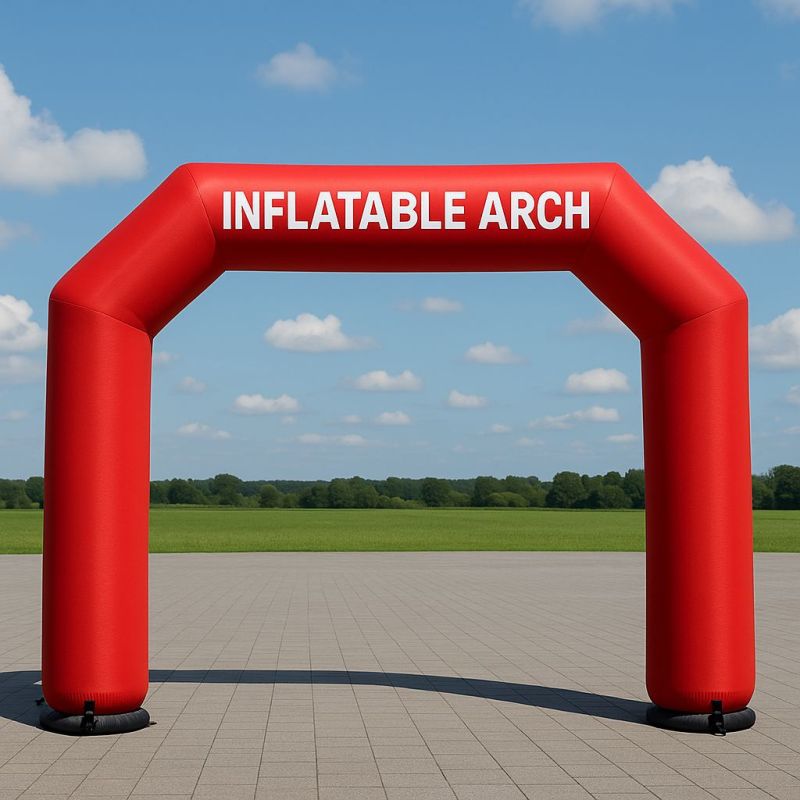
Picking the right inflatable arch isn’t just about grabbing attention; it’s about matching your event’s specific needs. Some events require portability above all, especially if you’re setting up multiple sites across a city or region. A smaller or mid-sized arch that deflates and packs down quickly becomes much easier to transport and store between gigs. On the flip side, larger inflatable arches can be showstoppers but often demand more time and effort to set up, plus a dedicated power source.
Material choice plays a big role here as well. PVC-coated polyester is a popular pick, offering durability and weather resistance, but it can add weight. Lighter nylon fabrics speed up the packing process but may not hold up as well outdoors. Budget constraints often dictate this trade-off, so knowing what’s negotiable is key. Sometimes spending a bit more upfront on a sturdy model saves hours on labor and replacement costs down the line.
Securing and Positioning an Inflatable Arch on Different Terrains
Securing an inflatable arch can get tricky, especially when event locations vary from concrete plazas to grassy fields. The obvious go-to for flat, solid ground is often weighted bases or water barrels, but they’re cumbersome to lug around and not always available on site. Stakes and ropes are great for soft surfaces but can damage paved areas or be prohibited by venue rules.
Wind conditions matter just as much as terrain. Even moderately windy days can turn an unsecured inflatable arch into a hazard. That’s why adding reinforced anchor points on the arch itself is preferable to relying solely on the standard tie-downs. Sometimes extra guy lines are necessary, which means factoring in not just the anchors but the additional space they occupy.
Keep in mind that improper securing doesn’t just risk damage to your inflatable arch—it can also pose safety issues for event attendees and staff. Clear guidelines in your setup manuals about minimum anchoring requirements and regular checks during the event help avoid unexpected problems.
Customizing Inflatable Arches Without Compromising Stability
Brand messaging on inflatable arches is a straightforward way to boost recognition, but customization can introduce complications. Printed logos or full-wrap designs need to be done with materials that don’t alter the air retention or flexibility of the fabric. Overly thick inks or adhesives might cause stiff patches, which can result in uneven inflation or stress points.
When designing custom features, such as integrated LED lighting or attachment points for banners and signage, consider how they affect wind resistance and overall structural integrity. Adding elements that catch the wind is a sure recipe for instability unless paired with an enhanced anchoring plan.
Choosing modular inflatable arches, where components snap together rather than inflating a single large piece, offers flexibility but may increase setup time and points of failure. Weighing up ease of transport and assembly against the look and durability of a fully customized arch will save headaches further down the road.
Managing Inflation and Power Needs on Site
Power sources are often an afterthought, but they’re critical to keeping an inflatable arch up and visible. Most models require continuous low-pressure air from electric blowers, which means reliable access to power—whether from generators, venue outlets, or battery packs.
Using generators demands planning for fuel availability and noise control, especially indoors or in noise-sensitive environments. Extensions need to be rated properly to avoid voltage drops, which can impair blower efficiency. Some newer arches come with efficient blowers that use less power, but those savings come at a premium.
Manual inflation or one-time high-pressure inflation can be useful for short events, but they rarely hold air for long, increasing the risk of sagging mid-event. Operators have to monitor and top off inflation regularly. Building quick inspection routines into your setup and event staff checklist helps spot problems before they lead to collapses or safety concerns.
Planning for Storage and Maintenance After Event
Once the event wraps up, you’re not done with your inflatable arch. Proper deflation and storage prevent long-term damage that can incur costly repairs or replacements. Folding techniques matter—a sloppy crumple can create weak spots or trap moisture that leads to mold.
Storage spaces need to be clean, dry, and ideally climate-controlled. Humidity and extreme temperatures accelerate fabric degradation and can cause adhesives or paint to peel. If your arch uses electrical components like integrated lighting or fans, those get their own storage protocols, usually separated from the fabric to avoid damage.
Maintenance routines should include thorough cleaning to remove dirt, oils, and residues from adhesives or tapes. Check seams and inflatable chambers for leaks seasonally or after heavy use; catching problems early means fewer costly downtime incidents.
Taking these practical steps helps your inflatable arch last through many event cycles without losing structure or visual impact. It’s the difference between a reliable asset in your inventory and a costly replacement hazard ticking down the calendar.