Table of Contents
a Big Car Tent
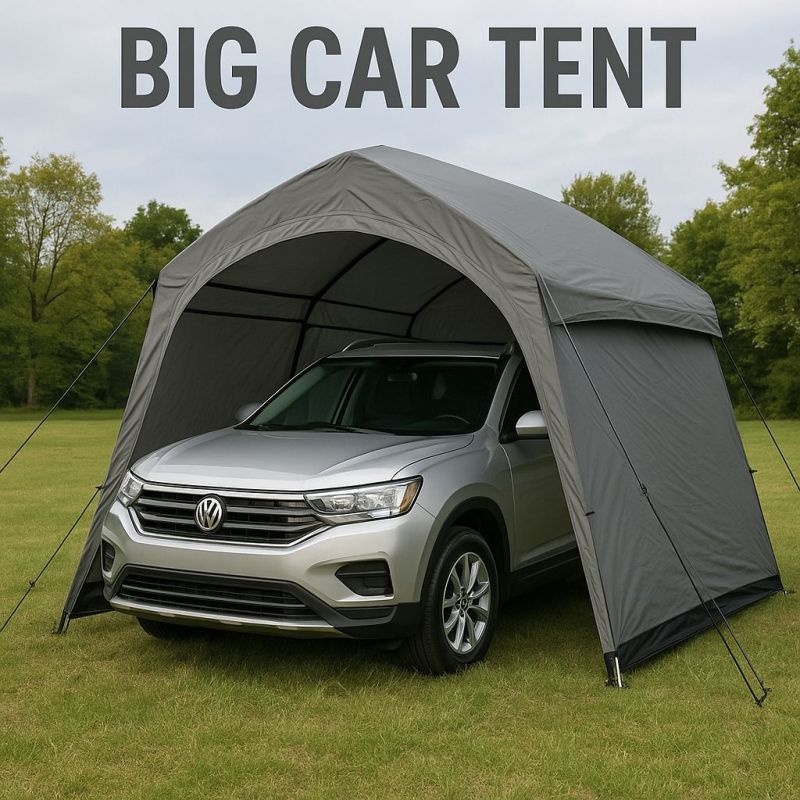
When planning an outdoor event or setting up a promotional display, the size of a big car tent can make or break the experience. Many buyers mistakenly assume that bigger is always better, but that’s not always the case. The footprint of the tent must correspond to the vehicle or vehicles you intend to cover, plus allow space for people to move comfortably around it.
Consider the different scenarios: are you covering just one car, or multiple cars for a dealership event? You’ll need extra clearance around each vehicle for easy access and to prevent damage from tight fits. For instance, a compact sedan requires less space than a large SUV or a boxy van. Tailoring your tent’s size will help optimize setup time and reduce the risk of structural stress during windy conditions.
Sometimes a big car tent might offer a generous height profile. If you expect visitors to walk under or display signage inside, vertical space becomes just as important as floor area. A tent that’s too low can constrain visibility and accessibility, making the overall display feel cramped or unprofessional. It’s worth measuring the tallest vehicle again while accounting for any flags or banners you plan to suspend inside.
Selecting Canopy Materials Based on Event Conditions
Durability under different weather conditions should guide your material choice for a big car tent. Waterproof fabrics are non-negotiable if you routinely face rain. Nylon and polyester are common, but the weave tightness and specialized coatings make all the difference.
Sun protection is another vital factor to review. If your outdoor events often involve harsh sunlight, look for UV-resistant canopy materials that won’t fade or degrade quickly. A tent that tears easily or allows UV rays to penetrate defeats the purpose of sheltering your vehicles and guests. On the other hand, materials that block out too much light can create a gloomy atmosphere inside—balancing opacity is part of the judgment call.
Temperature regulation often gets overlooked but impacts comfort drastically. Some tents feature ventilated canopies or mesh sidewalls to improve airflow. Your choice will depend on whether the tent is mainly for display or also intended as a sheltered space for longer guest visits.
Balancing Portability and Stability
Big car tents, given their size, can be hefty to transport and set up. But stowing and moving the tent between locations is just as important as stability once it’s up. Events happen all year round, sometimes on uneven ground or windy venues, so ensuring your tent can stay upright and intact matters.
Lightweight aluminum frames offer excellent portability, making it easier for smaller teams to handle and install the tent. However, these frames might not provide the same level of sturdiness in harsh weather compared to steel options. Steel frames add weight and require more manpower but often withstand strong gusts better, reducing the risk of damage during an event.
The base anchoring system should align with the type of venue you usually work with. Soft ground allows for stakes or heavy-duty spikes, but at paved or concrete locations, weighted bags or sandbags become necessary. Consider investing in an adaptable anchoring kit to cover different setups instead of being caught off guard.
Assessing Ease of Assembly and Setup Time
Your team’s experience with similar setups influences how quickly a big car tent gets ready. Some models come with a complex frame and canopy system requiring tools and multiple team members. Others feature pop-up or modular designs that a pair of people can set up in under 20 minutes.
The trade-off often lies between convenience and customization. Fast assembly tents usually have fixed dimensions and fewer options for sidewalls or ventilation, limiting their versatility. More customizable tents offer tailored configurations but at the cost of longer installation and teardown times.
Training your staff ahead of event days can save headaches. Running through a trial assembly in a controlled environment will reveal weak points in coordination or equipment preparation. Simple touches like color-coded poles or clear frame markings can make all the difference in streamlining workflow on busy event mornings.
Integrating Branding and Custom Features
Big car tents often serve as brand ambassadors during promotional events or trade shows. Many buyers want to incorporate logos, custom colors, or printed sidewalls, which adds complexity to the tent selection process.
Not all tents support easy branding updates. Some have detachable panels specifically designed for signage, which contractors or event planners can swap without dismantling the entire setup. Others require ordering the canopy printed during manufacturing, which locks you into a design until replacement.
Think about how often you’ll need to refresh logos or change messaging. If your promotional calendar includes varied brands or campaigns, modular branding solutions are a practical investment. This flexibility enables you to tailor the tent’s appearance without purchasing entirely new equipment for every campaign.
Lighting and electrical accessories also factor into customization. Making sure your big car tent includes attachment points for string lights, fans, or powered devices eliminates the need for additional rigging hardware on event day.
Planning for Maintenance and Longevity
The upfront cost of a big car tent may be considerable, but maintenance influences both the lifespan and overall cost over time. Proper storage after each event protects the canopy and frame from mold, corrosion, and mechanical wear.
Canopy fabrics require routine cleaning, especially when exposed to dirt, bird droppings, or tree sap. Mild soap and water usually suffice, but avoid harsh chemicals that degrade coatings or colors. Frames benefit from regular inspection—looking out for bent poles, loose joints, or surface rust can prevent sudden failures.
Repairs matter too. Investing in tents from manufacturers who offer spare parts or repair kits reduces downtime between events. Having a backup plan for damaged panels or broken fasteners keeps your operations smooth without requiring immediate full replacements.
Addressing small damage quickly often extends the usability and appearance of the tent. It’s all part of managing equipment that reflects your professionalism and commitment to reliable event execution.