
Table of Contents
Car Camping Tent for Variable Weather Conditions
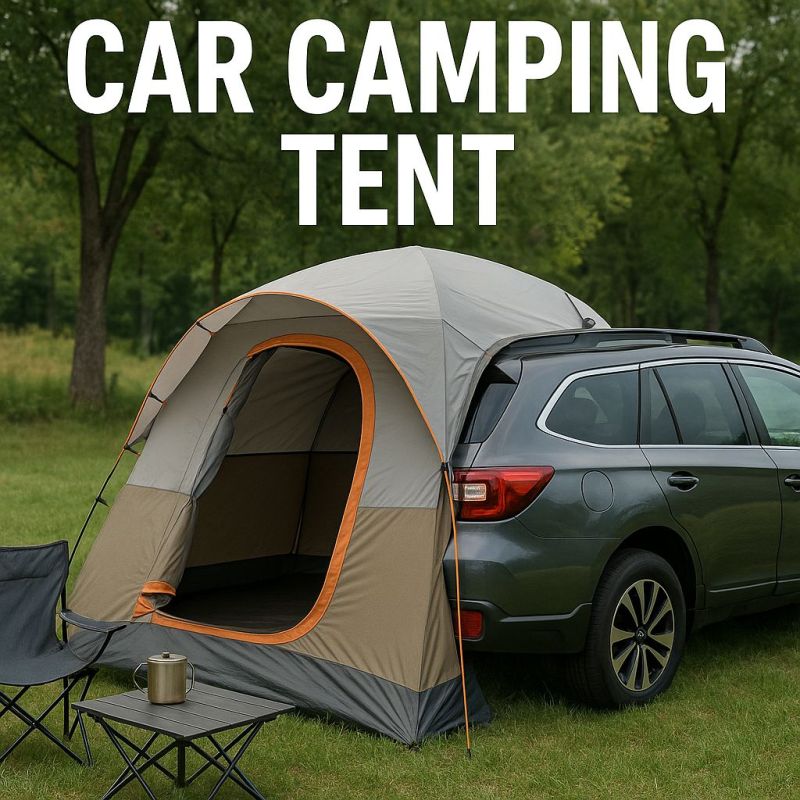
When selecting a car camping tent, one of the trickiest decisions involves balancing durability against ease of setup, especially in unpredictable weather. A robust tent can handle wind and rain better, but often comes with increased weight and complexity. For buyers who plan to move their events to different locations with varying climates, flexibility is key. Look for tents with reliable waterproof ratings and sturdy frame materials like aluminum or fiberglass. However, consider the trade-off: aluminum poles are more durable yet often heavier, while fiberglass keeps the tent lighter but might not last as long under stress.
It’s also wise to check the tent’s ventilation options. Condensation is a common issue in damp or cold environments, so vents or mesh panels can make a big difference in comfort. Some car camping tents come with adjustable rain flies that you can position to improve airflow without compromising waterproof protection. This combination helps maintain interior comfort in a range of weather conditions, adding to the overall usability of the tent across different types of trips.
Balancing Size and Storage Space Without Compromising Comfort
Choosing a car camping tent often involves juggling the need for internal space against storage and transport convenience. Larger tents obviously offer more room for event gear, additional people, or extra comfort, but they frequently require bigger packing sizes and greater vehicle space. For professional buyers who need to transport multiple tents and equipment, weight and packed volume become real concerns.
Look at tents with thoughtful interior layouts, such as divided rooms or vestibules designed for gear storage. A vestibule can prevent muddy boots and wet gear from cluttering the sleeping area, making the tent more practical for multi-day excursions. Remember that claimed tent capacity can be misleading—make sure you account realistically for how many people and how much gear you will carry. Sometimes opting for a slightly larger tent than strictly needed introduces needed flexibility for trade shows or overnight staff.
Time Constraints and Ease of Setup at Event Sites
For event planners working tight schedules, setting up a car camping tent quickly without sacrificing stability is a common challenge. Tents labeled as “instant” or pop-up usually save a lot of time but can fall short in durability or size options. On the other hand, traditional pole-in sleeves require more effort but allow for extended customization and potentially better weather resistance.
Considering who will be doing the setup matters as well. If volunteers or less experienced workers are involved, look for tents with color-coded poles or simple clip designs to reduce setup errors and delay. It can help to provide a quick demonstration or even include printed diagrams alongside the gear for easy reference. Depending on the complexity of your event schedule, investing a bit more effort into a sturdier, somewhat slower setup might pay dividends if the event lasts multiple days.
Durability and Maintenance for Repeated Use Over Seasons
If you frequently provide or distribute car camping tents for recurring events, longevity becomes a critical factor. Cheaper fabrics or coatings may appeal initially but deteriorate faster under sun exposure, rain, and rough handling. High-density ripstop nylon or polyester with durable waterproof coatings can withstand a range of conditions, but expect the price point to reflect that.
Pay attention to the floor material as well- some tents use thicker tarpaulin-like fabrics that resist tears and wear better than thinner layers. Seams should be well sealed, and zippers of good quality can save headaches during regular packing and unpacking. Don’t overlook ease of cleaning either. Some fabrics are more prone to mold or staining, so quick-drying or antimicrobial-treated materials help maintain tent quality through repeated use.
Integrating Additional Gear and Accessories with Car Camping Tents
Planning to enhance the functionality of your car camping tents? Many professional buyers want to know how tents accommodate extra gear like awnings, lighting, or cargo storage. While prime tents come with integrated loops or attachment points, aftermarket solutions vary considerably in compatibility and ease.
Awning attachments can provide needed shade or shelter for outdoor equipment, but not all tent models support them equally. It’s important to assess where these attachments secure and whether they impact the tent’s stability. Sometimes adding external gear requires staking strategies to resist wind or redesigning your tent footprint. Additionally, consider electricity needs: tents with cable pass-throughs or vents allow lighting and powered devices to run through while keeping the interior weatherproof.
Distributors often find that offering complementary accessories increases customer satisfaction and repeat sales, but ensuring compatibility upfront saves returns and complaints. Double-check the manufacturer’s recommended setups before investing in add-ons for your fleet of car camping tents.


