
Table of Contents
the Size and Design for Your Air Tent House
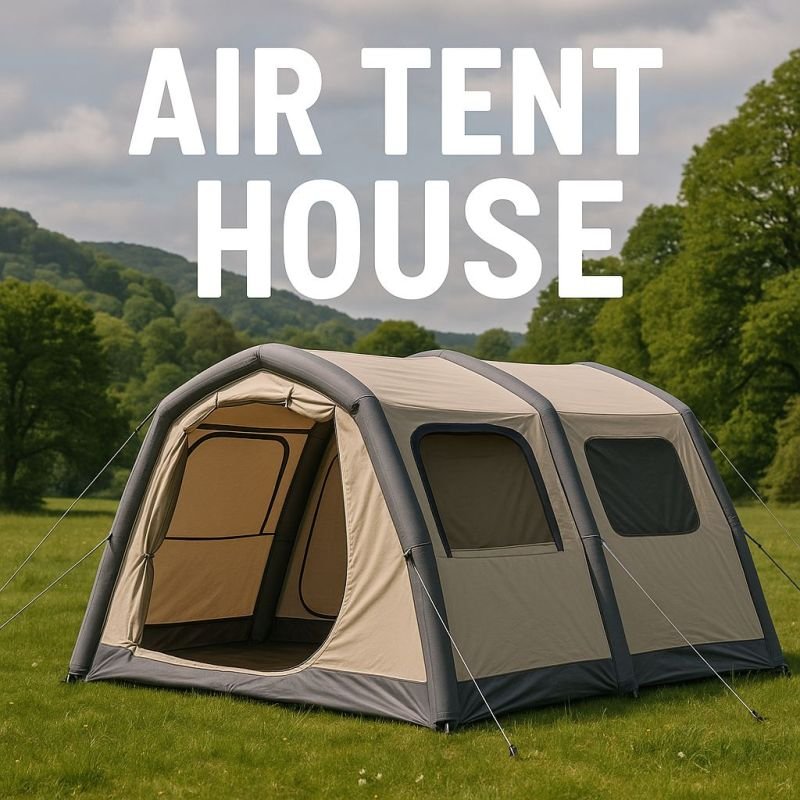
Selecting an air tent house isn’t just about picking the biggest or flashiest model. Consider the nature of the events you typically support. For a corporate outdoor brand activation, a compact and easy-to-assemble tent might be ideal for quick setups in limited space. On the other hand, if your projects often involve large festivals or trade shows, a more spacious, multi-roomed structure that accommodates signage and interactive zones becomes necessary.
Keep in mind the impact of environmental elements. Ventilation and weather resistance vary widely among designs. Some air tent houses offer excellent waterproof materials and sturdy frames that stand up well in strong winds, while others prioritize lightweight portability over all-weather durability. Striking the right balance depends on whether your events are mostly one-off urban setups or extended outdoor engagements.
The choice of design also influences branding opportunities. Air tent houses with smooth, large surface areas make custom printing straightforward and visually striking. If you handle diverse clients, adaptable panel options for changing graphics may be a valuable feature. These tents should still maintain ease of use—even the most impressive appearance won’t make up for cumbersome assembly for your staff or rental clients.
Managing Setup and Breakdown Time Efficiently
Time is money in the event industry. Air tent houses are known for their rapid inflation mechanisms compared to traditional pole tents, but not all models save time equally. Some use a single inflation point that can fill the entire structure within minutes, while others require multiple inflation ports, making the process longer and more complex.
Training your team on the specific tent model’s inflation and deflation sequence is crucial. An experienced crew can cut setup time dramatically, but unfamiliarity can lead to bungled attempts that increase damage risks and stress. Some advanced air tent houses come with intuitive pump systems offering automatic pressure regulation, while others need constant manual monitoring.
Breakdown often gets overlooked when weighing equipment choices. There’s a trade-off between size, weight, and compactness. Larger air tent houses provide more space but are bulkier to pack away and transport. Models that deflate smoothly and fold into manageable sizes prove advantageous for events with tight loading windows or long travel distances.
Durability Versus Portability: Striking the Right Balance
Durability is a frequent concern raised by clients who handle rental inventories. Air tent houses, constructed from inflatable beams, can be surprisingly tough, but the materials must be appropriate for frequent use and rough treatment. Look for heavy-duty fabric coatings that resist punctures, UV damage, and mold.
Portraying the longevity of your equipment honestly helps manage expectations. An air tent house quickly repaired with patch kits can extend its life significantly, provided you carry the right spares and instructional guides. However, the more flexible and lightweight the materials, the more susceptible they may be to abrasion or seam stress.
Portability ties directly into durability considerations. Thicker, reinforced fabrics add weight and bulk, complicating transport logistics, especially for smaller crews or distributors shipping gear frequently. Alternatively, models designed for quick-duty cycles prioritize ease of carrying and handling but may require replacement sooner.
Ultimately, you’re balancing upfront investment and depreciation costs against operational flexibility. If your typical events demand fast turnaround and light carrying loads, opt for lighter air tent houses. For long-term contracts with repeated outdoor use, durable, heavily constructed models usually deliver better value.
Customization Options: How Far Can You Go?
Customization is where many buyers appreciate the versatility of an air tent house. They’re often deployed as mobile showrooms, pop-up retail outlets, or promotional stages, making unique branding essential. However, not every tent’s surface is equally receptive to custom printing or attachments.
Digital printing onto PVC panels offers sharp and vibrant brand visuals but can increase costs and limit last-minute changes. Some air tent houses utilize interchangeable panels, allowing clients to swap graphics between events quickly. This modularity saves money in the long run for recurring brands.
Color choices for seams, zippers, and airbags also contribute to the overall look but may be limited by manufacturer palettes. Customized lighting or interior layout options—like transparent windows or partition walls—can enhance the structure’s functionality but add complexity during setup and maintenance.
Keep in mind that extreme customization may extend lead times and reduce resale options. Stock models with straightforward branding capabilities often hit the sweet spot, letting users adapt their messaging while maintaining reliable performance and easy upkeep.
Addressing Safety and Compliance Concerns in Various Settings
Safety is non-negotiable, particularly if the air tent house will host large crowds or be installed in public venues with strict regulations. The inflatable design poses unique considerations: overinflation, puncture risks, and wind load resistance must be accounted for.
Most professional air tent houses come with clear pressure guidelines to prevent structural failure. Regular on-site inspections before and during events catch leaks or pressure drops early. Staff training on emergency deflation procedures can prevent accidents if something goes wrong.
If events are held in city environments, check local permits and compliance requirements. Fire-retardant fabrics or additional anchoring systems may be mandatory. Some air tent houses include certified flame-resistant materials, but these specifics vary between suppliers.
Also worth noting are the anchoring systems. Stakes might not work on concrete or tiled surfaces, so alternative solutions like weighted bags or water barrels become necessary. Choosing models compatible with different anchoring styles ensures your operation can keep pace across diverse event sites without compromising safety.
Practical Considerations for Storage and Transportation
Air tent houses usually fold down into relatively compact packages, but storage space can still be a hidden pain point. Your storage facility’s layout and climate impact the tent’s longevity. Damp environments cause mold issues if the fabric isn’t dry before packing away.
Some tents require careful folding patterns to avoid stressing seams, which takes time but doubles the lifespan of the product. Poly bags or protective cases designed specifically for the tent model can minimize damage during transport and storage.
For transportation, weight and dimensions during packing influence which vehicles you can use. A single inflated air tent house might be large, but when deflated, space and weight decreases. However, heavier pumping systems or additional gear like generators and signage need planning to avoid overloading your transport vehicles.
Review the entire logistics chain from warehouse to event setup point to optimize how the air tent house integrates with your existing fleet and labor force. Smooth handling and fewer surprises on the road translate into happier clients and less downtime.
—
Finding the right air tent house for your needs involves balancing competing priorities—size, durability, speed of setup, and branding potential—all while keeping safety and logistics in check. Experience shows that understanding these real-world trade-offs upfront saves headaches and keeps your event production running smoothly, whatever the occasion.


