Table of Contents
Car Tent on Roof for Your Event Fleet
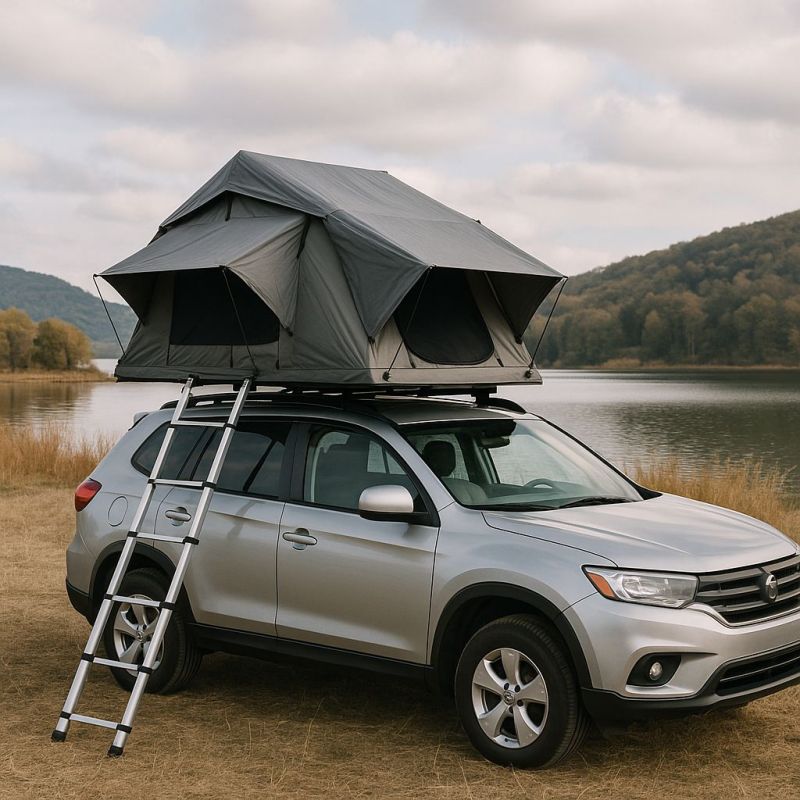
Picking a car tent on roof for an event or promotional setup takes a bit of careful thought. The last thing you want is to invest in a unit that looks great but proves impractical once it’s time to get it out on the road. One major consideration is the vehicle compatibility—some tents are designed with specific roof rack systems in mind, while others are more universal. Understanding the weight limits and attachment mechanisms of your fleet’s vehicles helps avoid damage and keeps the tent secure during transport.
Storage space inside the tent also varies widely. A compact model might fit well and be easy to set up, but if your clients need space for more than two people or extra gear, going too small can cause frustration. On the flip side, oversized tents might require sturdier racks and add considerable weight. Balancing interior space with ease of installation often comes down to the nature of your events and how flexible your equipment needs to be.
One aspect people sometimes overlook is the material quality and weather resistance. A tent made from breathable fabric can prevent condensation buildup, essential for multi-day events. However, prioritizing breathability sometimes means compromising on full waterproofing or wind resistance, which matters more for outdoor festivals or unpredictable weather conditions. Knowing the typical environments your clients face enables better recommendations and fewer issues down the line.
Installation Challenges and Vehicle Impact
Mounting a car tent on a roof isn’t always as straightforward as the manufacturer’s manual suggests. Uneven roof racks, aerodynamic vehicle profiles, and pre-existing roof accessories like sunroofs or antennas can create problems. A thorough check of all these factors beforehand saves a lot of headaches during onsite setups.
Weight distribution is another critical factor. Roof-mounted gear affects the vehicle’s center of gravity, which can influence handling—especially on windy highways or tight turns. A car tent on roof puts additional load up high, and for smaller vehicles or those not designed for overhead loads, it might lead to cautious driving or reduced fuel efficiency. Sometimes users discount the need for extra training or advice on driving with rooftop tents, exposing themselves to risks unnecessary to good event planning.
Damages may also occur if installation steps are skipped. Scratches or leaks aren’t uncommon if the hardware isn’t precisely tightened or if protective pads are neglected. The good news is that many newer car tent designs come with integrated cushioning and quick-release features to minimize these problems, but not all suppliers offer this. Trade-offs between ease of installation and durability need to be evaluated before committing to a model.
Onsite Usage: Setup Speed Versus Stability
Once at the event location, the speed of setting up a car tent on roof can make or break the day. Some tents deploy like an awning, popping open in seconds with minimal effort. These are ideal in fast-paced environments where multiple site changes happen or where staff turnover demands simple, repeatable setups.
Other tents require unfolding, climbing, and securely fastening a series of poles and anchors. While such options might offer more internal space or weather protection, they inevitably take longer to pitch and take down. Depending on the event type—say, a weekend-long outdoor trade show versus a quick pop-up promotional activation—these factors become more or less relevant.
Wind resistance is linked closely to how firmly the tent stands once installed. Lightweight, fast-setup tents can sometimes struggle in gusty conditions unless additional tie-downs or stakes are used, which can extend setup time. For event planners working in coastal or mountainous areas, selecting a car tent on roof rated for stronger winds is a worthwhile trade-off, even if setup takes a bit longer.
[render_random_table:random_table]
Storage and Transport: Balancing Convenience with Protection
When not in use, car tents on roof demand adequate storage to maintain their longevity. Bulkier tents may require a dedicated storage area, often climate-controlled to prevent mold or fabric degradation. If your business handles multiple units, investing in proper storage shelving or containers pays off by cutting down repair costs later.
Transport considerations go beyond just stacking the tent on the vehicle roof. Protection during transit might involve additional covers or bags, as exposure to road grime, UV rays, and rain while driving can wear down fabrics and zippers prematurely. Some tents include padded storage bags that double as protective covers, which is a practical feature lost on first-time buyers.
The weight and bulk during transport also influence overall logistics. Staff need to know how to lift and carry tents safely to avoid injury, and rental fleets need clear guidelines on packing and loading. In some cases, having multiple smaller rooftop tents rather than one large one simplifies both storage and transport but at the cost of more individual setups on site.
Cost Versus Longevity: What Makes Sense for Your Business?
Price often acts as the gatekeeper when selecting a car tent on roof for an event setup, but focusing solely on upfront cost can lead to headaches later. Higher-end models typically offer stronger frames, better fabrics, and accessories that reduce setup time. However, a rugged tent might be overkill for single-day activations or small-scale promotional activities.
Assessing how often the tent will be used and under what conditions is key. If it’s only sporadic use, a budget model might suffice, provided it’s handled carefully. If your business demands frequent activation in rougher environments, investing in durability offsets frequent repair or replacement costs.
Additional expenses like shipping, mounting accessories, and insurance also impact the total cost of ownership. Operational convenience often saves money indirectly, too. For example, a tent that needs fewer hands on deck for setup reduces labor cost and boosts overall efficiency, a factor sometimes overlooked in basic cost comparisons.
The sweet spot lies somewhere between initial expenditure and long-term resilience, tailored to the types of events your clients run. Regular maintenance and proper training for setup teams further extend the useful life of any car tent on roof, optimizing your investment naturally.