
Table of Contents
Choosing the Right Inflatable Table for Varied Event Spaces
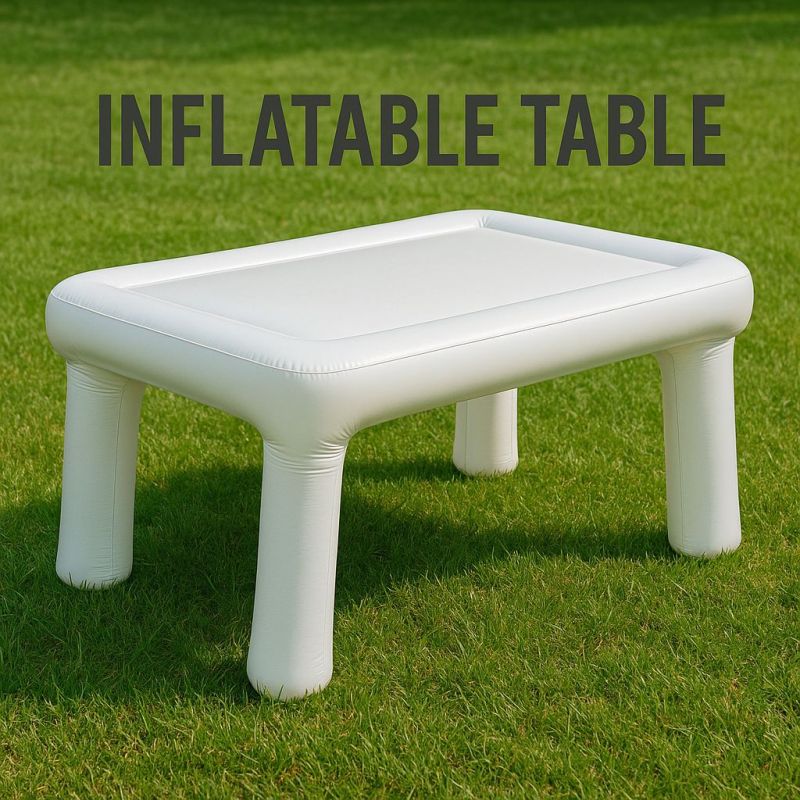
Selecting an inflatable table might seem straightforward until you start considering the nuances of different event environments. Often, buyers focus on size and shape but overlook how the inflation method, material thickness, and weight capacity suit their specific venue.
For outdoor events, for instance, picking a model with durable, weather-resistant fabric makes all the difference. Thinner materials may save on cost but won’t hold up under wind or occasional rain. The inflation valve system also matters—those with secure locking mechanisms reduce air leaks during long events, which can prevent the table from deflating prematurely.
Indoors, the priorities might shift. Some inflatable tables are light enough to move between rooms but still sturdy enough to hold promotional materials or equipment. Yet, trade-offs arise because overly lightweight tables can feel unstable, especially on uneven floors or in high-traffic areas.
The choice between rounded or rectangular inflatable tables often depends on space accessibility and flow. Rectangular tables fit neatly against walls with limited access on one side, while round inflatable tables encourage gathering from all sides but require more floor space.
Stability and Weight Support: What to Expect from an Inflatable Table
Understanding the weight limits of inflatable tables is critical, especially when planning to showcase equipment, sample products, or handle heavy stacks of literature. Many first-time buyers assume these tables behave like traditional fixed-frame tables, which isn’t the case.
Inflatable tables use air pressure to maintain shape and stability, so weight distribution isn’t just about overall pounds but also how it’s spread. Concentrated heavy objects can cause local deformation or even punctures if the surface material isn’t tough enough.
Stability concerns come into play particularly with taller inflatable tables used for standing receptions or bar setups. They tend to be more susceptible to tipping if they aren’t properly inflated or if placed on uneven terrain. Anchoring options or adding weight at the base are common tactics, but these reduce portability.
A well-constructed inflatable table balances inflatability with firmness, allowing users to lean or place moderately heavy items without worrying about collapse. Still, it doesn’t hurt to test how your products interact with the specific table model before committing to bulk orders.
Transport, Setup, and Storage: The Realities of Inflatable Table Logistics
It’s tempting to assume that inflatables are always the easiest option for transport, setup, and storage. While they do collapse to compact sizes, practical logistics sometimes aren’t as simple as just inflating on-site.
First, consider the inflation system. Electric pumps speed up setup but require access to power, which isn’t always guaranteed in event spaces. Manual pumps save on equipment but add time and labor burden, particularly for larger models.
The time it takes to fully inflate and stabilize varies greatly. Some tables need multiple inflation cycles or adjustment to achieve a firm balance between softness and rigidity. It’s easy to underestimate how much time and effort this process can take during busy event setups.
Storage space is another factor often overlooked. Even when deflated, these tables require protection from punctures or tears, so investing in sturdy, padded bags or cases is a smart move. Stacking multiple inflatable tables is tricky because they must stay fully dry and clean to avoid mold and odors.
Transporting inflated tables is rarely practical. However, hauling the deflated units demands organization to avoid accidental damage. For distributors and rental companies, maintaining an inventory of compatible pumps, repair kits, and storage supplies is quite common.
Customization and Branding: Balancing Visibility with Practicality
One of the biggest draws of inflatable tables is the potential for eye-catching branding directly printed or sewn onto the surface. But not all customizations are created equal, and there are practical limits to what can be achieved.
Printing on inflatable materials requires high-quality inks that won’t crack or peel when the surface stretches during inflation. Budget solutions may look good initially but degrade quickly after repeated setups or exposure to sunlight.
Complex graphics or multiple colors affect production lead times and costs. Sometimes simplifying designs ensures durability and faster turnaround. Choosing matte versus gloss finishes also changes the look and feel, as well as how light reflects during an event.
Another consideration is how branding aligns with the table’s shape. On rounded inflatable tables, wide, flat logos may warp in appearance once inflated, so design distortions need to be factored in during the layout phase.
Adding accessory pockets or clips for handouts and signage on the inflatable surface is fairly common but must be planned with care. Improper attachment points can lead to air leakage or material stress at seams.
Durability and Repair: What to Expect from an Inflatable Table Lifespan
It’s important to keep in mind that inflatable tables are not invincible event heroes. They perform well when handled correctly but come with inherent risks tied to punctures, seam failures, and gradual wear.
Materials like PVC-coated nylon or TPU offer a good balance between flexibility and puncture resistance. Still, rough handling and sharp objects can cause leaks. Knowing how to spot weak points and having a repair kit on hand is part of responsible management.
Seams take a beating during repeated inflations, deflations, and transport. High-quality manufacturing uses reinforced double-seams and heat welding, which extend lifespan significantly but often come at a higher price point.
Expect to replace an inflatable table after several years of regular use or if damage accumulates. While minor patches can be done on-site to keep things going, extensive damage means downtime and added costs that need budgeting.
For rental companies and distributors, managing the repair process efficiently is key. Keeping common spare parts and standardized repair instructions helps minimize event disruptions.
Choosing a supplier known for durable materials and good after-sales support can save headaches in the long run when dealing with inflatable tables.
—
Navigating the choices around inflatable tables requires looking beyond the surface. From match-ups with your event space, balancing stability, to considering transport logistics and repair possibilities, approaching these durable inflatables with a practical mindset makes all the difference.


