
Table of Contents
Inflatable Party Tent with LED Light for Varied Event Spaces
Finding the right inflatable party tent with LED light often boils down to the environment where it will be used. If you’re planning events across different types of venues—open fields, urban rooftops, or uneven terrain—it’s important to consider how the tent’s setup adapts to these spaces. For example, an inflatable structure shines where a quick setup is essential, but you need to make sure the surface is flat and free of sharp objects, else the tent risks puncturing or uneven inflation.
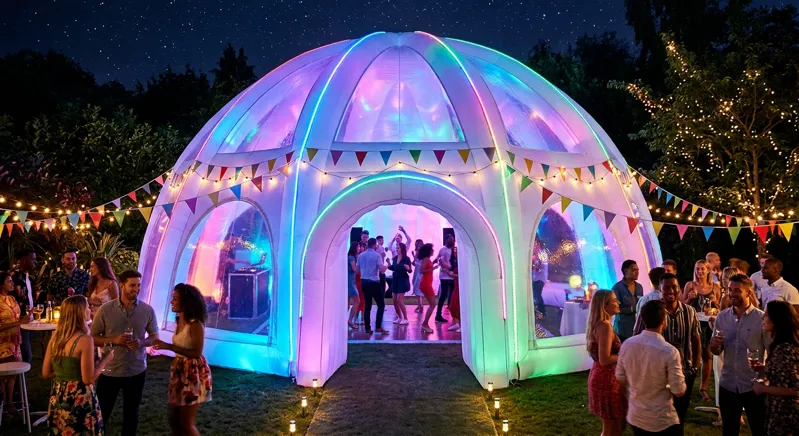
LED lighting systems inside these tents offer flexibility in creating different moods, but brightness and power source come into play. Battery-powered LED lights give mobility but may dim over time if events run long. Hardwired options with generators lead to consistent lighting but require more logistical planning. Balancing these trade-offs helps avoid disruptions during critical event moments.
In tight urban spaces, the inflatable design helps with transporting equipment through narrow doorways or limited access points. However, the air blowers necessary for inflation can generate noise that could interfere with quieter settings, such as corporate gatherings or networking events.
Managing Setup and Breakdown Times Without Compromising Tent Integrity
Speed of deployment is one of the biggest reasons buyers consider an inflatable party tent with LED light. Setting up a traditional frame tent can take hours, while inflatables typically can be ready within minutes. But it’s easy to overlook what happens during breakdown.
Repeated inflation and deflation can wear on the material’s seams or LED wiring if not handled properly or if the tent is packed while still damp or dirty. Planning for routine inspections and proper packing methods ensures the tent remains in good shape for multiple uses.
Furthermore, while LED lighting enhances the tent interior dramatically, it introduces extra cables and components that must be accounted for during breakdown. Over time, improper handling could lead to frayed wires or connectors, causing flickering or total failure. The key is training your crew or users on systematic disconnect and storage procedures that protect all integrated elements without adding excessive time to the turnaround.
Weather Considerations Affecting Use of an Inflatable Party Tent with LED Light
Weather conditions affect inflatable tents in ways that differ from other structures. Strong winds can destabilize these tents more quickly than rigid frames, making weight and anchoring choices crucial. LED lighting inside the tent may help visually in low-light conditions but cannot compensate for safety risks from unstable installations.
Rain and humidity also create challenges. Moisture can collect inside the tent if ventilation is insufficient, potentially fogging up LED light covers or creating slippery conditions on the floor. Integrating water-resistant LED fittings reduces maintenance needs, but you’ll still want to monitor for puddling and condensation during wet weather.
Extreme temperatures impact both the air pressure inside the tent and the LED lights’ performance. Heat expansion can increase internal pressure while cold can make materials more brittle, so some tents require operators to adjust inflation levels depending on the forecast. LEDs are more robust than incandescent bulbs but are not totally immune to overheating if airflow is restricted within the tent’s lining.
Capacity and Lighting: Balancing Visibility and Atmosphere in Different Event Types
Inflatable party tents with LED light often get chosen for their visual appeal, but lighting intensity and color temperature should be carefully matched to event type and tent capacity. Too harsh or too dim LED lighting can affect guest comfort and the overall vibe.
For corporate events, white or neutral LED lighting tends to work best—bright enough to keep attention but not distracting or irritating. On the other hand, social or nightlife events benefit from adjustable color LEDs that can create dynamic atmospheres, but remember that multicolor setups usually cost more and might require skilled programming.
Capacity also influences lighting requirements. A large tent packed with guests demands more evenly distributed lighting so no areas are left in shadow or stifling heat from concentrated LEDs. Smaller tents might allow for fewer fixtures but may still need a mix of overhead and side lighting to avoid glare on signage or product displays.
Durability and Maintenance: What Goes Into Keeping an Inflatable Tent with LEDs Event-Ready
Regular wear and tear on both the inflatable tent material and the built-in LED components are things that event suppliers think about but rarely talk openly about. The vinyl or PVC fabric commonly used offers good resistance to punctures and UV exposure, but every patch or repair might create weak points.
LED light strips or nodes, especially those embedded in seams or hard-to-reach spots, can fail after many cycles or rough handling. This means buyers need access to replacement parts or service options, not just a shiny setup on day one. Sometimes, maintenance of the LED system involves wiping dust or condensation off protective covers — a small task that can significantly extend bulb life and performance.
Cleaning the tent fabric without damaging the LEDs calls for specific procedures, often water-based cleaners and soft cloths rather than harsh chemicals. Storing the tent in a cool, dry place away from direct sunlight helps maintain both material flexibility and electrical integrity over its working life.
Practical Tips for Transport and Storage of Inflatable Party Tents with LED Lights
Transporting large inflatable party tents with LED light systems requires packaging that protects both the structural fabric and the electronic elements. Folding the tent carefully to avoid sharp creases near LED wiring or connectors is essential. Many of these tents come with custom bags or cases, but additional padding might be needed if the transportation involves rough handling or long distances.
Storage conditions matter more than many buyers realize. Avoid tight compression or stacking heavy boxes on top of the tent to prevent deformation or damage to LED strips. It might seem like a small detail, but even minor damage during storage can result in problems when the tent is first inflated at an event.
When trailers or trucks lack climate control, consider the temperature extremes the tent might face. Cold environments risk making materials brittle, while excessive heat can soften fabric and affect LED adhesives. In some cases, rotating inventory or moving tents back indoors during extreme weather is a smart practice to lengthen lifespan and avoid unexpected repair costs.
Careful thought about where, how, and for what kind of event you’ll deploy an inflatable party tent with LED light helps smooth event logistics and guarantees a better guest experience. Being mindful of the everyday realities such tents face—weather, wear, setup, and transport—makes all the difference between a one-time novelty and a solid asset in your event equipment lineup.


