
Table of Contents
Inflatable Furniture 90s Style for Events: Practical Insights
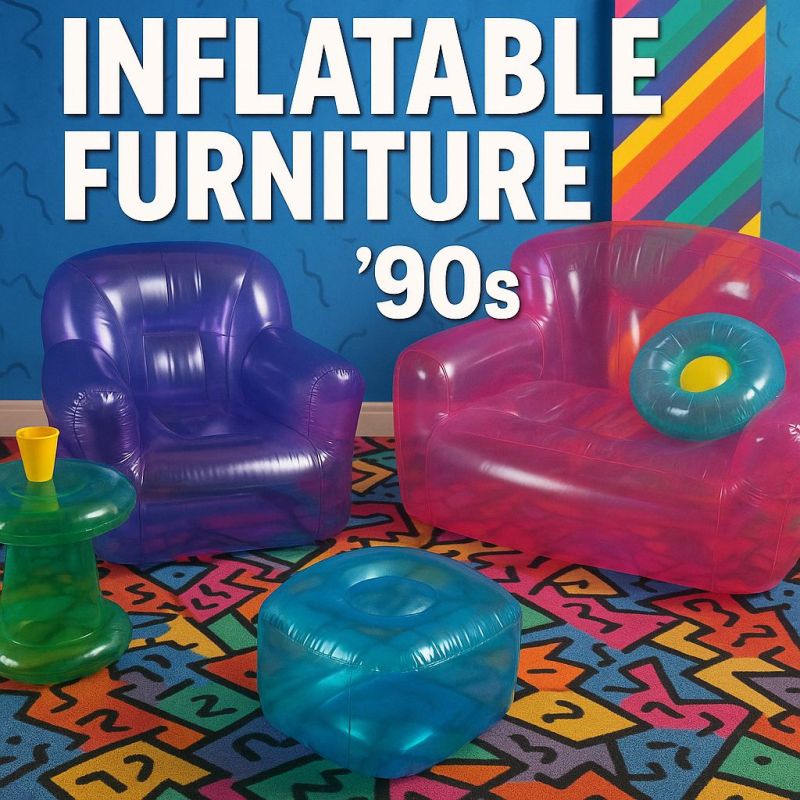
If your event theme nods to the 1990s or if you’re chasing something lightweight and easy to handle, inflatable furniture 90s models can be an intriguing option. These pieces instantly bring a laid-back, playful vibe fitting for casual setups, pop culture-themed parties, or promotional hubs. The charm of these inflatables lies not only in their nostalgic look but also in practical considerations—transport, setup, and storage all come with their particular baggage.
Planning around the 90s style means dealing mostly with bold colors, glossy finishes, and simplistic shapes like cubes, loungers, and poufs. This style isn’t about plush or intricate design, so comfort can be a debate. While they serve as fun eye-catchers, their firmness is usually less forgiving than traditional leather or fabric furniture. Expect them to be more suitable for shorter sittings or for creating informal areas rather than continuous comfort zones.
Durability and Maintenance Realities for Inflatable Furniture 90s
One of the biggest questions pertains to how these inflatable pieces hold up over time. Admittedly, high-traffic environments or outdoor conditions test these products more severely than a controlled indoor setting. Their material—typically vinyl or PVC—can be punctured or degraded by sharp objects, extreme sun exposure, or rough handling.
Repairs aren’t complicated but they can interrupt flow during a busy event. It’s wise to keep repair kits handy and train staff on quick fixes. Another aspect is inflation: these pieces rely on continuous air pressure, which calls for reliable pumps or regular manual top-ups. Deflation or air leaks can cause sudden sagging, detracting from the image you’re aiming for.
Handling the maintenance of inflatable furniture 90s involves routine checks for leaks or tears when unpacking and before every use. Depending on the supplier, some models may boast reinforced seams or heavier-duty materials to extend lifespan, but these features often come with a size and weight trade-off.
Storage and Transportation: What Fits Your Logistics?
Space and weight make a strong case for inflatable furniture 90s, particularly for event planners juggling multiple setups. Unlike bulky sofas or chairs, inflatables pack down to fairly compact bundles, easing both transport and storage demands. This advantage is significant for short-term rentals, pop-up events, or venues with limited storage space.
However, manufacturers have innovated differently. Some thicker, more robust models still demand bigger bags and cautious stacking to avoid creasing and material fatigue. For delivery teams, vigilance is crucial—transporting inflatables in gear that’s exposed to puncture risks (like sharp edges or heavy items) can lead to damage.
Balancing the size and count of inflatable pieces with your vehicle’s capacity reshapes your logistics planning. In contrast with traditional furniture, inflatables reduce loading and unloading time but may increase setup time due to inflation requirements.
Styling Considerations: Making 90s Inflatable Furniture Work With Event Themes
While the recognizable neon and pastel color palettes of inflatable furniture 90s are iconic, integrating these pieces into a cohesive design scheme demands a certain level of creative discretion. The visual simplicity and trademark plastic sheen can feel out of place if not paired thoughtfully.
For events where branding or sophistication is key, consider using these inflatables as accent pieces rather than main seating. Adding textiles like throw blankets or cushions can temper the synthetic look and add comfort. In relaxed settings such as festivals or product launches targeting younger demographics, you might lean fully into the 90s feel, leveraging color blocking and geometric layouts.
Layering lighting effects over these inflated surfaces changes visual impact as well. LED uplighting or projected patterns can enrich colors and create dynamic eye-catching zones. Evaluate if your event space has enough power sources and how weather elements (wind, rain) might affect aesthetics and usability outdoors.
Budgeting for Inflatable Furniture 90s: Real-World Trade-Offs
Affordable upfront cost often draws buyers to inflatable furniture 90s, but consider hidden expenses in the full deployment cycle. Pumps, repair kits, maintenance labor, and replacement due to wear need budgeting. Damage repair can be frequent if the environment isn’t controlled.
Furthermore, the lifespan of these inflatables tends to be shorter compared to conventional event furniture. Seasonal planners or those heavily reliant on rentals will find inflation time and maintenance a labor overhead that mounts quickly. Replacement frequency should be factored into long-term budgets to avoid surprises.
On the flip side, the compact storage and portability can translate into reduced shipping and warehousing fees, offering operational savings if used strategically. The decision often comes down to weighing these ongoing expenses against the tactical benefits of flexibility and stylistic differentiation in your event inventory.
User Experience and Practical Use Cases for Inflatable Furniture 90s
Event professionals frequently ask how guests react to these inflatable designs. Feedback varies with event type and expectations. For casual networking or activating branded zones where playful interaction is encouraged, inflatable furniture is a hit. It invites guests to linger, pose for photos, and engage without the formalities of typical seating.
That said, there can be limitations if your audience expects sophisticated amenities or elderly attendees who may find the irregular support uncomfortable. Staff might notice people shifting to more stable seating or briefly sitting, rather than prolonged use.
Organizers using inflatables in trade shows or experiential marketing have noticed the need for clear signage about usage and weight limits to prevent accidents or damage. Generally, such furniture excels in scenarios prioritizing visual impact and casual user relationships over traditional seating comfort or durability norms.
Overall, understanding these user experience nuances helps planners allocate inflatable furniture 90s in ways that maximize the strengths of this nostalgic yet practical seating choice.


