
Table of Contents
Inflatable Shelter Tent for Temporary Events
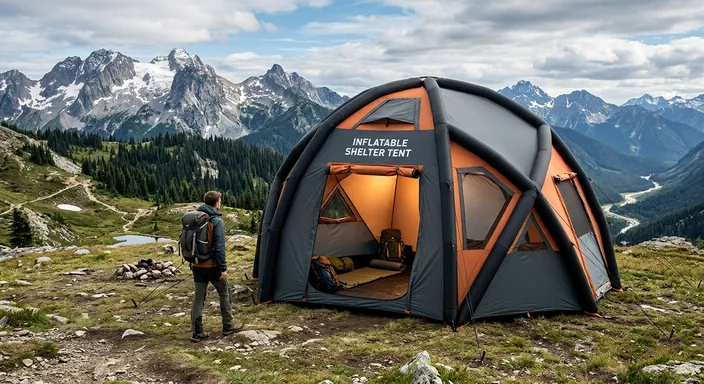
Event planners and professional buyers often face the challenge of selecting a shelter tent that balances portability, setup speed, and durability. Inflatable shelter tents have been gaining traction because they simplify logistics. Unlike traditional frame tents, these shelters avoid the hassle of assembling poles or intricate fittings on-site. Instead, an air pump inflates the entire structure within minutes.
However, it’s essential to look closely at material thickness and valve quality. A thinner fabric or a poorly sealed valve can lead to leaks and deflations, which are nightmares during live events. Not all inflatable shelter tents are created equal in terms of weather resistance. If your event is outdoors, consider models designed to handle wind gusts and rain without compromising stability. A reliable product will feature strategically placed anchor points and sturdier blowers to maintain consistent inflation.
Portable shelters that inflate quickly are a great fit for short setups, but keep in mind what happens if you need greater longevity. Some tents require continuous inflation to maintain shape, which may limit your options for power sources. Battery packs can run flat, and generators could add unwanted noise. So, ask whether the tent can hold air independently for extended periods or if constant airflow is required.
Managing Transport and Storage Constraints with Inflatable Tents
Not all inflatable shelter tents pack down as conveniently as they claim. Even though they are lightweight in comparison to metal or wooden frame tents, some larger models can occupy more cargo space once deflated. Distributors and buyers need to account for the actual packed dimensions and weight, especially when loading multiple tents for events spanning several days.
Assessing the durability of the storage bag or case is crucial. Inferior carrying cases tear quickly or let moisture seep in, which can degrade the integrity of the tent fabric over time. Moisture buildup inside a folded tent can accelerate mold growth and damage coatings that protect against UV rays and rain.
Keep in mind the investment in protective accessories. If frequent transportation is expected, investing in padded bags or additional protective layers prolongs equipment lifespan and reduces replacement costs. This also proves valuable during cold seasons when fabric brittleness increases and rough handling could result in damage.
Deciding Between Single vs. Multi-Chamber Inflatable Shelter Tents
Structure safety is paramount at any event. Some inflatable shelter tents feature a single air chamber, while others are built with multiple chambers. The choice impacts the tent’s safety profile and repair complexity.
Single-chamber designs are simpler and often lighter but carry the risk that a single puncture will deflate the entire shelter. For festivals or trade shows where foot traffic is high, this can lead to unexpected downtime. Multi-chamber tents provide compartmentalized air cells, allowing the shelter to stay upright even if one section deflates slightly.
Multi-chamber systems tend to be heavier and more expensive; they also take a bit more time to inflate fully. On the practical side, repairs are easier since you can localize the issue without deflating the entire tent. However, the added complexity means there’s more to maintain over time.
Evaluating Branding Opportunities on Inflatable Shelter Tents
For event planners and distributors, branding a tent is an investment that shouldn’t be underestimated. Inflatable shelter tents offer distinct advantages here. Their fabric surfaces are generally smooth and taut once inflated, making them excellent canvases for printing logos or messaging.
Most suppliers allow customization through digital printing or vinyl appliqué, but keep in mind the limitations imposed by the inflatable design. Sections of the tent that curve or fold tightly when deflated could experience ink cracking or peeling over time. Selecting areas like flat panels or roof sections for the branding will achieve longer-lasting impressions.
In addition, colors used on inflatable tents may fade if exposed to long hours of direct sunlight without UV protective coatings. Ask your supplier about the maintenance of branded elements, and whether reprinting is an expected maintenance step.
Handling Repairs and Maintenance for Inflatable Shelter Tents
A reality buyers must face is that inflatable shelter tents aren’t invincible. Pinholes, minor tears, and valve malfunctions happen. Being prepared with repair kits suitable to the tent fabric can save a lot of headache during events.
The most common repairs involve patching small leaks. Repair kits usually feature patches with adhesive that works on waterproof fabrics. Make sure these kits match your tent’s material type—PVC, TPU, or polyester blends behave differently when it comes to bonding adhesives.
Regular maintenance checks include inspecting seams and reinforcing areas where tension is highest. Valve maintenance is often overlooked but essential; certain valves may require periodic lubrication or replacement seals to maintain airtight integrity.
Keep in mind that improper repairs can cause weak spots that reduce overall lifespan. For tents heavily used throughout the season, creating a maintenance schedule is beneficial. This might seem tedious but helps protect your investment, reducing unexpected failures during critical events.
Planning for Usage in Various Weather Conditions
Deploying inflatable shelter tents in mixed weather environments demands flexibility and preparation. The natural advantage of these tents lies in rapid deployment, but sometimes that comes with trade-offs regarding stability.
When wind is a factor, not all inflatable models provide sufficient anchoring. The large smooth surfaces act like sails, increasing the risk of uplift. Selecting tents with reinforced anchor points and the option of guy ropes enhances safety.
Rain is another consideration. Tents with waterproof coatings and sealed seams prevent leakage, but pooling water can become problematic if the roof design does not allow proper runoff. Inspect the tent’s roof slope and drainage channels prior to purchase.
Cold weather affects materials too. Rubberized coatings can stiffen or crack. Additionally, inflation performance may drop if battery-operated blowers are used at low temperatures. Heating or power backup options should be planned accordingly.
Choosing the right inflatable shelter tent involves weighing portability and ease against durability and weather resilience. Understanding these trade-offs will help you select a shelter that matches your specific event demands while optimizing usage and maintenance efficiency.


