
Table of Contents
4 Season Car Tent for Year-Round Use
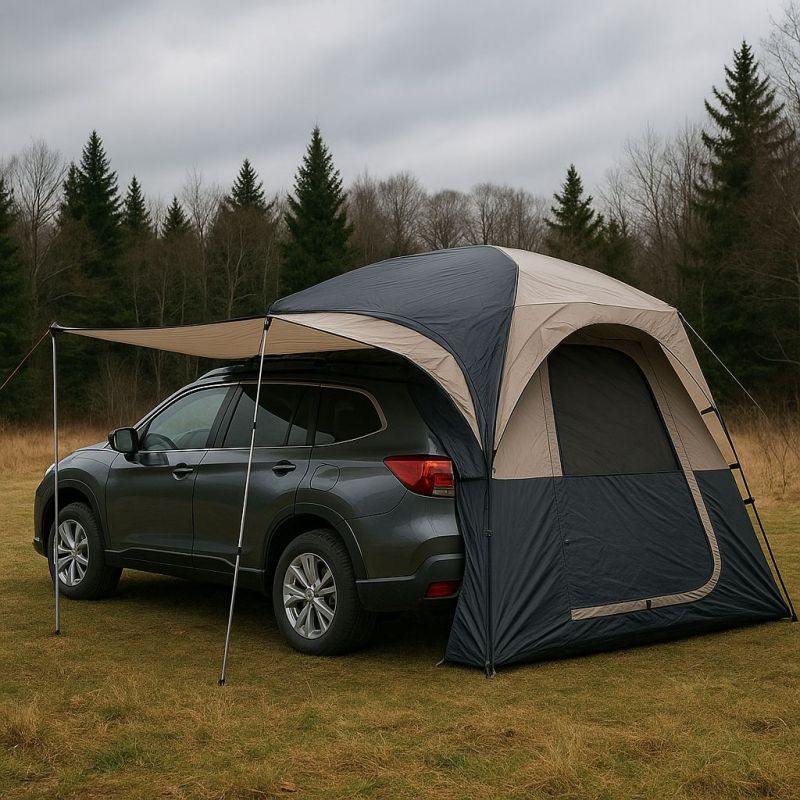
When selecting a 4 season car tent, durability and weather resistance top the list. Unlike typical outdoor tents, these need to withstand harsher conditions, including snow, heavy rain, and strong winds. Buyers often expect a balance between sturdiness and ease of setup, but this can be tricky. For instance, thicker fabric and reinforced poles improve longevity but add weight and bulk. That extra heft means your team might need more hands or extra tools during installation, especially in cold or windy weather. Planning for how the tent will be transported and assembled onsite can save headaches.
Another consideration is ventilation. A 4 season car tent should prevent condensation inside while keeping warmth in during colder months. Too little ventilation risks dampness forming, which damages both the tent and any equipment stored beneath it. Ask whether the tent design includes adjustable vents or mesh panels that survive wintry gusts but still promote good airflow.
Managing Space and Access with Large Vehicle Tents
Space is a big practical challenge. Many event planners assume a 4 season car tent is just a slightly stronger version of a small camping tent, but these shelters often need to handle SUVs, trucks, or multiple vehicles at once. It’s one thing to cover a car, another to accommodate gear, event materials, or even a small workshop inside the tent.
You’ll find that size claims can be misleading if the tent’s footprint doesn’t account for anchoring systems, guy lines, or clearance for vehicle doors. Distributors often suggest including a buffer zone around the vehicle for loading and unloading. Some models feature multiple entry points or zippered sidewalls that roll up for quick access, which can be essential during tightly scheduled events.
Weight limits on the frame also matter. Although the tent might look spacious, adding heaters, lighting rigs, or banners inside can strain the structure. Checking manufacturer specifications for load capacity helps avoid accidents or damage.
Handling Setup and Breakdown in Different Climates
Setting up a 4 season car tent is rarely straightforward across varied environments. In warm climates, strong sun can degrade fabrics over time, even when labeled UV resistant. In colder areas, freezing conditions make poles brittle and fabrics less flexible. These realities affect how crews handle installation and packing.
For example, cinching down guy lines and stakes is crucial to stabilizing the tent but becomes harder when the ground is hard or frozen solid. Using specialized stakes or sandbags might be necessary. Hydrogen peroxide-based cleaning agents often recommended to remove mud stains can weaken certain polyester blends, so planning for easy maintenance without quick fabric deterioration saves money in the long run.
Heavy snow is one of the hardest tests. Even 4 season rated tents often warn against unattended snow buildup because it can deform frames or cause fabric tears. For long-term installations in winter, frequent inspection and snow removal equipment are practical musts.
Integrating Promotional Elements Without Compromising Function
Event planners and promoters will want to add branding, lighting, and signage to their 4 season car tents. While that’s understandable, applying large vinyl banners or LED rigs can compromise structural integrity or complicate setup. Materials used for branding—adhesives, grommets, or hooks—need to be compatible with the tent’s fabric to avoid damage.
Some tents come with built-in banner rails or reinforced eyelets designed for signage. These features make a big difference in efficient branding without compromising wind resistance or waterproofing. But it’s important to confirm the tent can handle the added wind load from banners, especially in gusty conditions.
Lighting is another area where trade-offs appear. LED strips and spotlights add visual appeal but bring extra wiring and power needs. Careful routing of cables and protecting connections from rain or snow requires attention during setup. Choose lighting options that integrate smoothly into the tent frame or sidewalls to avoid trip hazards or accidental detachments.
Long-Term Storage and Durability Considerations
Even the best 4 season car tent won’t perform well if stored improperly between uses. Moisture trapped in the fabric during storage is a silent enemy, leading to mold, mildew, and premature weakening. When packing up, drying the tent thoroughly before folding is crucial—even if it means leaving it set up for hours more after the event.
Storage space itself can influence how the tent holds up over time. Tight compression in small bags damages both fabric and poles, especially if stored in places with fluctuating humidity or temperatures. Ideally, tents should be rolled loosely and kept in climate-controlled areas.
Poles, often aluminum or fiberglass, benefit from periodic inspections. Bent or cracked sections dramatically lower the tent’s ability to resist wind and snow loads. Having spare pole sections and repair kits on hand can turn a potential disaster into a manageable fix during event weekends.
Maintenance extends to zippers and fasteners as well. A seized zipper or broken clip may seem minor but can delay teardown, disrupt schedules, or reduce weather protection. Lubricants designed specifically for outdoor gear can keep these moving smoothly without damaging plastic components.
Weighing Cost vs. Performance for Event Buyers
The price of a 4 season car tent varies widely, and it spreads across multiple factors—materials, size, additional features, and brand reputation. While a higher price often means better weather resistance or sturdier frames, it’s not always a guarantee of better performance for your specific needs.
Professional buyers must evaluate the tent’s lifecycle cost, not just the upfront expense. Cheaper tents may require more frequent replacement, repairs, or cause delays during events. On the other hand, extremely heavy-duty models might offer more durability than needed if events are mostly held indoors or in mild weather, leading to wasted budget on unnecessary features.
Considering rental versus purchase is also a valid strategy. If you’re organizing an isolated winter event, renting a high-spec 4 season car tent might make more sense than investing in one that sits unused for months. For distributors, balancing stock variety between lightweight, general-purpose tents and high-end, all-season models can address customer needs without excessive inventory costs.
Keeping all these factors in mind will help navigate the real-world challenges of purchasing and managing 4 season car tents for events, ensuring reliability without overspending or operational headaches.


