Table of Contents
Deciding Between Permanent and Portable Car Tent Garage Solutions
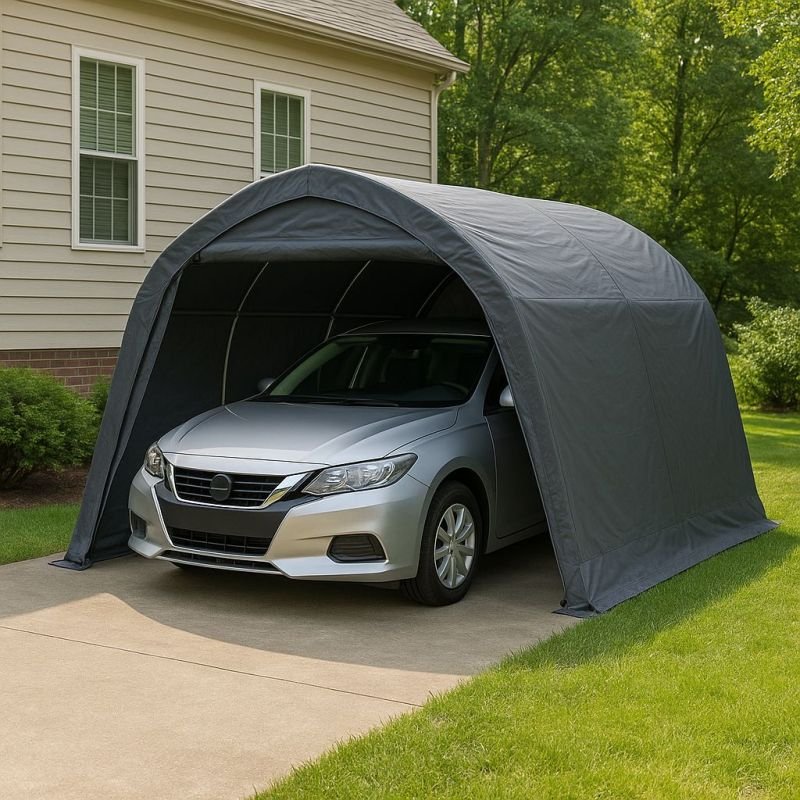
When you need extra covered space for vehicles, choosing the right car tent garage can be tricky. Permanent structures offer solid protection but come with long lead times, permitting headaches, and higher upfront costs. On the other hand, portable car tent garages provide flexibility and quicker setup but might sacrifice long-term durability.
Consider your specific use case: if you run a seasonal event or need temporary vehicle cover for short periods, a portable tent garage often makes more sense. These can be assembled and disassembled by your team without special tools or extensive permits. However, if you require year-round protection for fleet vehicles or long-term storage, investing in a robust frame and heavier fabric can be worth the effort.
Some portable car tent garages offer modular designs, allowing you to expand or reduce space based on your needs. This flexibility can be a lifesaver for event planners managing varying vehicle inventory. A key practical concern is the anchoring system: lightweight tents may not hold up in strong winds without proper weights or ground anchors. Always verify local conditions before deciding.
Weighing Frame Materials: Steel vs. Aluminum in Car Tent Garages
The frame material of a car tent garage impacts strength, weight, and ease of transport. Steel frames are generally stronger and handle heavy wind loads better, but they add considerable weight, making your setup less portable. Aluminum frames, while lighter and more corrosion-resistant, may not withstand harsh weather as well.
For event planners working across multiple sites, the ease of moving and setting up a lighter aluminum frame can reduce labor costs and time. Yet, if the tent garage is intended to stand firm in corrosive environments or endure long events without frequent dismantling, steel might be a smarter option. Remember, steel frames often require powder coating or galvanizing to minimize rust, which adds to manufacturing costs but extends frame life.
Load capacity also matters. Larger car tent garages that cover multiple vehicles need sturdier frames to prevent sagging or collapse. Frame design plays a role, too: truss-like frame structures distribute loads better than simple straight poles, enhancing overall stability. Check your supplier’s recommendations for maximum snow load and wind resistance.
Choosing the Best Fabric for Weather Protection and Longevity
Not all tent fabrics perform the same under sunlight, rain, or snow. Polyethylene coverings are popular for car tent garages due to their cost-effectiveness, water resistance, and UV protection. However, polyethylene may become brittle or fade if exposed to the sun for prolonged periods.
PVC-coated polyester fabrics tend to be thicker, heavier, and more durable. They resist tearing and offer better protection in extreme weather but come at a higher price. Vinyl-coated materials can also provide better fire retardancy – a consideration if your event involves generators or fuel-powered vehicles.
Ventilation is another practical point. Condensation buildup inside a fully enclosed car tent garage can lead to moisture damage on vehicles. Designs with vents or adjustable sidewalls can improve airflow, reducing this risk. Some fabrics allow differential breathability, balancing weather resistance with moisture escape.
Maintenance requirements differ too. Polyethylene covers might need replacement every few seasons, while PVC fabrics can last longer with proper cleaning and storage. If your event schedule involves repeated use for months on end, investing in higher-quality fabric can save headaches down the road.
Size and Accessibility: Planning for Efficient Vehicle Movement
Choosing the right size for your car tent garage goes beyond measuring the vehicles you’re sheltering. Allow enough clearance for drivers to enter and exit without squeezing tight angles. If the tent garage serves multiple cars, plan out traffic flow so vehicles aren’t bottlenecked.
Extra height clearance is often overlooked. Trucks with roof racks, vans, or vehicles on lifts require added vertical space. Planning your tent garage size to accommodate these can prevent costly damage or awkward handling on site. Sometimes adding a few extra feet of height or width feels excessive upfront but pays off in operational ease.
Access points also vary. Roll-up doors, hinged flaps, or curtains all offer different levels of convenience, weather sealing, and security. For event use where quick vehicle turnover is expected, fast-operating door systems reduce delays. On the other hand, area security may dictate more lockable or solid closures.
Sidewalls can be added or removed depending on weather and space needs, but remember that adding walls affects airflow and light inside the tent. Being able to quickly adapt your car tent garage to changing conditions is a real advantage in managing tight schedules and unpredictable weather.
Transport and Storage: Handling Your Car Tent Garage Between Events
How portable your car tent garage is matters a lot if you’re moving it frequently between venues. Frame sections that nest and fold neatly save space and reduce transport challenges. The tent fabric itself should compress without damage and be stored dry to avoid mildew.
When folded incorrectly, fabric can develop weak spots or tearing around stress areas like stitching or corners. Design elements such as reinforced pockets and adjustable straps help protect your investment over repeated setups and takedowns.
Car tent garages that come with wheeled storage carts or custom bags ease the burden on your crew, especially for larger setups. Planning for a storage space that keeps your tent components off the ground prevents premature wear and keeps everything ready for the next event.
Consider the load capacity of your transport vehicle and how much space the packed tent garage will consume. Some companies underestimate the volume or weight, only to struggle with space or breakage during transit.
Budgeting Realistically for Car Tent Garage Ownership Costs
Upfront cost is only part of the picture. A cheap tent garage might save money today but cause higher maintenance costs or need early replacement. Factor in fabric lifespan, frame durability, and accessory availability when budgeting.
Repairs can be simple patches or require full panel replacements. Easy access to replacement parts through your supplier reduces downtime during busy event seasons. Training your staff in proper setup and disassembly techniques also preserves the tent’s condition longer.
If your operation spans many months or years, warranties and service support matter. Some manufacturers back their products with multi-year warranties on frames or fabric, which can offset the initial higher price.
Energy costs for lighting and heating inside your car tent garage add another hidden expense for indoor events. Planning a design that optimizes natural light through translucent panels or strategic ventilation reduces reliance on electricity.
Ignoring these practical facts can inflate your total cost of ownership and reduce your event’s profitability. Take a balanced view and ask your vendor about realistic service intervals, part costs, and common repairs.
—
Choosing the right car tent garage involves juggling many real-world factors from weather and durability to transport and vehicle access. Thinking through the trade-offs honestly and relying on suppliers with practical experience will help you avoid costly surprises on event day.