Table of Contents
Car Tent Shade for Different Event Types

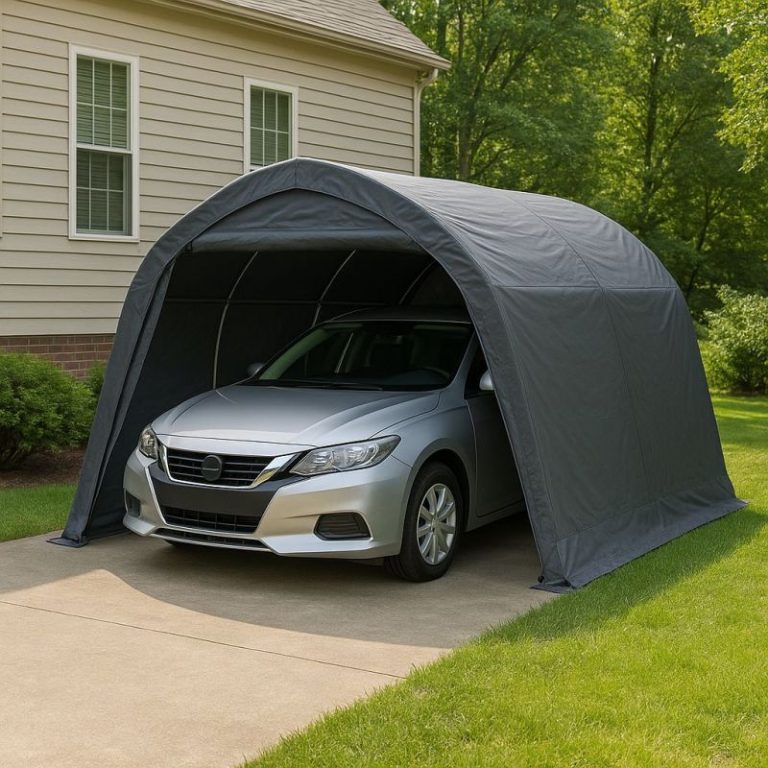
When planning an event that involves outdoor vehicle displays or requires shade over parked cars, selecting the right car tent shade can be a challenge. One of the first things to consider is the event type and how the tent will be used. For instance, a trade show that features multiple vehicles displayed side-by-side calls for modular tents that can connect or stand independently. These shades need to be wide enough to cover the entire vehicle but also tall enough to provide easy access and movement around the car.
Outdoor markets or festivals may require lighter and more portable car tent shade options because the setup and teardown often happen rapidly and frequently throughout the day. On the other hand, for longer events such as weekend-long car shows, sturdiness and resistance to weather conditions become top priorities. Heavier frames with reinforced joints and stable anchoring systems are better suited in these cases to reduce the risk of accidents caused by wind or sudden weather changes.
The fabric material also plays a role. UV-resistant and waterproof fabrics are crucial when the event faces intense sun or possible rain. However, pure waterproof tarps can cause condensation underneath, so breathable fabric options might be preferable for very hot climates. Trade-offs like these are common and require evaluators to balance protection with comfort and durability.
Setting Up and Portability Concerns for Event Planners
Event planners often juggle multiple responsibilities, so a car tent shade that demands excessive setup time or technical skills can disrupt the entire schedule. A practical design typically includes a pop-up frame or a frame with segmented poles that click easily into place. This reduces labor costs and the number of personnel required.
Portability is related but distinct. A cumbersome shade, no matter how sturdy, is harder to transport and store between events. Lightweight aluminum frames offer a good balance when combined with durable polyester fabric; however, there is a limit to how much weight can be shaved off without compromising stability.
Storage considerations also come into play. For example, thicker fabric might resist wear better but take up more space when folded. Some professional buyers prefer tents with removable side panels or walls, which allow partial shade coverage depending on sun direction without having to dismantle the entire setup.
These trade-offs highlight why experience matters. Suppliers who understand the realities of event timelines and space constraints can help avoid costly mishaps and delays on event day.
Durability vs. Cost: Balancing Budget with Longevity
The price of car tent shade ranges widely, and buyers must weigh initial investment against lifespan. Cheaper tents may look attractive for one-off uses, but if the goal is multiple events over several seasons, material fatigue and repeated exposure to weather degrade value quickly.
Frame quality is a pivotal factor. Steel frames tend to be stronger than aluminum but are also heavier and prone to rust without proper coating. Aluminum frames resist corrosion and are lightweight but can bend more easily under prolonged stress or high winds. Powder-coated finishes extend lifespan by resisting rust and scratches.
Fabric quality can vary too. Thinner PVC or polyethylene coatings often crack or peel after exposure to sun and rain, while heavier-duty polyester fabrics with UV inhibitors last longer but at a higher purchase price. Reinforced stitching at stress points adds resilience but may increase costs.
Maintenance plays a role beyond purchase decisions. A well-maintained mid-range car tent shade can outperform a cheaper one that gets treated roughly or stored improperly. Most fabric materials benefit from cleaning and drying before storage, while frame joints need periodic lubrication.
Price is an important consideration, but so is the total cost of ownership, especially when running a business that depends on reliable promotion and presentation equipment.
Understanding Size and Coverage Limitations in Real-World Use
One challenge buyers overlook is the physical space the car tent shade will occupy—not just its coverage area. A tent measuring 10×20 feet may seem sufficient on paper for a large SUV or truck, but clearance for doors, hatches, and equipment around the vehicle is just as important.
The height of the shade rarely matches the car’s actual height plus extra room. Some tents advertise peak heights but have arched roofs or sloped sides that reduce usable interior headroom. This becomes a problem when event attendees or staff need to move freely or install additional signage and promotional materials.
Side coverage can also be limited. If the sides of the car tent shade are left open, that allows for ventilation but also lets in sun from low angles or wind-driven rain. Walls or screens add protection but increase setup time and can reduce airflow, especially if the tent lacks integrated windows or vents.
Many professional buyers have learned that opting for a tent slightly larger than the vehicle or equipment minimizes headaches during the event. Sometimes adding an extra tent adjacent to the main one creates flexible workspaces without cramping mobility.
Assessing the exact dimensions of both car and cargo then mapping out the intended footprint for the shade helps avoid surprises and supports better on-site performance.
Weather Preparedness: Stability and Safety Measures
Outdoor events mean exposure to variable weather, so a car tent shade must withstand gusts, rain, or even sudden storms without endangering people or damaging vehicles underneath.
Basic stakes and ropes are standard in many setups, but heavier or professional-grade tents sometimes feature weighted feet or screw-in anchors for added security. When setting up on concrete or asphalt, feet with rubber bases or specialized anchors come into play.
Wind is a major concern; lightweight tents can act like sails. Many clients have learned from experience that safety protocols should always include assessing local weather forecasts and designing contingency plans such as quickly removable sidewalls or repositioning tents where natural protection exists.
Rain adds weight to the fabric, which may stress frame joints. Sloped roofs prevent pooling but might reduce vertical clearance in some models. Some suppliers offer rain gutters or connectors between adjacent tents to prevent water runoff damage.
Another safety factor is fire retardancy. Certain fabrics meet fire codes required for public events, but verifying compliance helps avoid issues with permits and insurance.
Event professionals often invest time learning best practices for anchoring and training staff in quick teardown techniques, knowing that a reliable car tent shade is only as good as how well it’s managed on the ground.
Customization Options for Branding and Functionality
Besides practical protections, many companies require that the car tent shade also serves as an effective branding platform and functional workspace. Custom printing on fabric panels allows logos, product imagery, and messaging to be highly visible and vibrant, but this customization comes with its own considerations.
Printed fabrics may have slightly less UV resistance depending on dye quality, and some printing methods reduce the fabric’s breathability. If a tent is stored in direct sunlight long-term, colors can fade, so UV coatings on printed surfaces are helpful.
Customization extends beyond graphics. Sidewalls can be made detachable or equipped with zippers and windows to create enclosed meeting spaces or secure storage areas. Additional attachments like LED lighting strips or umbrella holders turn the car tent shade into a multi-use asset.
Working with a supplier who offers flexible modular components and a variety of fabric finishes can make a substantial difference in how the shade performs and presents at events.
In sum, choosing the right car tent shade needs hands-on knowledge of its conditions and use cases. A practical, durable, and adaptable setup offers the best return even though it demands careful upfront planning.