
Table of Contents
Right Inflatable Ottoman Outdoor for Varied Event Settings
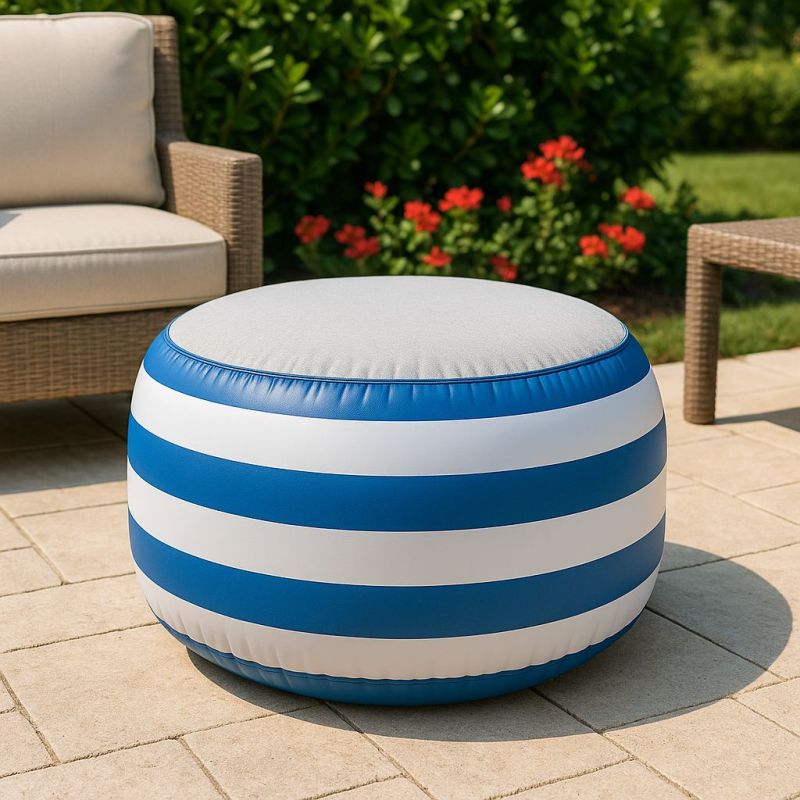
Picking an inflatable ottoman outdoor involves balancing comfort, portability, and durability, especially when gear needs to work across different event types. For a trade show, you might prioritize sleek, professional aesthetics and easy setup, while a music festival demands more rugged construction and weather resistance. Material choice is key—PVC and vinyl remain popular, but they vary in thickness and flexibility, which impacts how well the ottoman holds up under heavy use or rough terrain.
Size and inflation time also play important roles. Oversized ottomans can grab attention but may be challenging to transport. Smaller models pack down tighter but might not offer the same comfort level for guests. It’s worth testing a few types beyond their specs on paper to get a feel for how they perform in real conditions. Considering how the inflatable ottoman outdoor functions during repetitive inflations or extended hours can influence your decision significantly.
Weather Considerations That Impact Performance and Longevity
Outdoor settings introduce unpredictable weather scenarios that directly affect inflatable ottoman outdoor options. Strong UV exposure tends to degrade plastics, causing brittle or cracked surfaces if the product isn’t UV-resistant. Rain and humidity can turn a simple seating piece into a slippery hazard if the surface lacks texture or grip. Wind poses issues too; larger ottomans are susceptible to catching air and tipping over if not adequately weighted or anchored.
While some designs include integrated anchoring points or tie-down systems, these add another layer of complexity during setup. A noisy, rustling anchor chain or stakes in a sensitive event zone might not be allowed or practical. The cleanest solution isn’t always the easiest on-site. Testing patches of the inflatable ottoman outdoor materials under different weather conditions can save headaches later and ensure you maintain a professional appearance throughout the event.
Practical Setup and Maintenance Considerations for Fast Turnaround Events
Quick deployment is critical for events where time is tight, and staff numbers are limited. Inflatable ottoman outdoor pieces that require large electric pumps can slow down your setup, create noise, and depend on access to power outlets, which isn’t always guaranteed. Manual pumps offer mobility but might drain energy if multiple units are involved.
Maintenance plays into this as well. Frequent cleaning of outdoor inflatables becomes a task if the event overspills onto dirt or grass. Smooth, non-porous surfaces are easier to wipe down, but they can become slippery when wet, endangering attendees. Conversely, textured finishes improve grip but trap dirt, requiring more attention.
Planning which models provide easy valve systems for fast deflation helps streamline break-down at the end of the day. From experience, simple designs with fewer parts tend to hold up better in the fast-paced, rough handling common at festivals or promotional roadshows. It’s rarely just about aesthetics.
Incorporating Branding Without Compromising Usability
Adding branding elements to inflatable ottoman outdoor products can give your event a professional edge, but it’s a fine line between looking sharp and overloading functionality. Large prints or patches can stiffen the material in spots and affect how the item inflates or folds. This could compromise comfort or even create stress points prone to wear.
Opting for digital printing techniques onto the inflatable surface allows for vivid colors while maintaining flexibility. However, these can increase lead times and overall cost. Screen printing is more budget-friendly but less durable under continuous outdoor exposure.
Another thing to keep in mind is how branding interacts with visibility and safety. Darker prints might absorb more heat in sunlight, causing the surface to become uncomfortably warm or susceptible to slight warping. Reflective elements might enhance night-time visibility but could distract during daytime events.
Weight and Portability: How These Factors Affect Staffing and Transport
Transport and staff workflows rely heavily on the weight and pack size of inflatable ottoman outdoor models. Lighter units are easier to carry and set up but occasionally sacrifice stability. This is especially noticeable in windy outdoor environments or uneven surfaces.
Bulkier options might offer a sturdier seating experience but can complicate logistics, requiring larger vehicles or more hands on deck. The capacity to pack the ottoman down into a compact carry bag can help manage efficient transportation between venues, especially for touring events or multiple day setups.
On-site, having a reliable inflation device is critical—battery-powered pumps offer independence but need careful planning to ensure battery life suffices for all units. Organizing your supply chain with modular and standardized components can reduce errors during setup and improve turnaround times between event days.
Durability in High-Traffic Outdoor Environments and Repair Strategies
Repeated use at outdoor events can cause faster wear than indoor settings due to dust, moisture, and constant inflating/deflating cycles. Inflatable ottoman outdoor models with reinforced seams and double-layered fabric zones survive longer but carry a higher initial cost.
It’s wise to have a quick repair kit available—a simple patching system with adhesive, spare valves, or reinforcements in key stress points can make the difference between a minor hiccup and a major equipment replacement. Staff trained in on-site repairs increase confidence and reduce downtime.
Understanding your inflatable ottoman outdoor products’ typical weak spots based on past events allows you to prepare preventative measures. This knowledge often saves money and prevents last-minute scrambling, especially when managing multiple events with tight turnaround.
Each decision about your inflatable ottoman outdoor selection must reflect how you plan to use them not just now but over many event cycles. Balancing practical concerns with appearance and logistics keeps your operations running smoothly without surprises.


